Renter‑friendly Flooring Ideas for a Fresh New Look
Finding a new look for a rental can feel tough. Friendly flooring ideas let you change without breaking the lease or
Each idea works on a variety of rooms, from a tiny studio to a family‑size living room. You’ll see how the floor can look, how to install it, and what to watch for.
Before you start, measure the space and write down the square footage. Knowing the size helps you buy the right amount of material and avoid waste.
1. Peel‑and‑Stick Vinyl Tiles

These tiles give a clean, modern look that can mimic wood or stone. They come in many colors, from light gray to warm honey. The surface feels smooth under bare feet and is easy to clean.
To install, clean the floor, peel the backing, and press the tile down. A cheap pack works well for a small room, while a premium collection offers more realistic textures. You only need a utility knife to trim edges.
The downside is that the adhesive may leave a faint residue when you remove the tiles. If you have a carpet underneath, the tiles can sometimes lift the carpet fibers.
2. Interlocking Laminate Floor Mats

These mats snap together like puzzle pieces and look like a real wood floor. They add a warm tone that brightens a living area or bedroom.
Lay a thin underlay, then click each mat into place. Budget versions are thin and easy to lift, while higher‑grade mats have a thicker wear layer for heavy traffic. No tools are needed, just your hands.
Because they sit on top of the existing floor, they can feel a bit soft under furniture. In high‑traffic zones they may shift if not secured.
3. Removable Carpet Tiles

Carpet tiles bring softness and sound dampening without a full carpet install. They come in neutral shades like soft greige or muted teal.
Stick the tiles to the floor using a low‑tack adhesive strip. Cheap tiles give a basic feel, while premium ones have a plush pile that feels like a small rug. You can replace a single tile if it gets stained.
Tiles can show seams under bright light, which may not suit a sleek modern look. They also collect dust more quickly than smooth surfaces.
4. Floating Laminate Planks

Floating planks click together and sit on a thin foam underlay. The look mimics real hardwood, adding a classic feel to any room.
Lay the underlay, then join the planks by snapping the edges. Low‑cost options are thin and easy to lift, while higher‑end planks have a thicker wear layer that resists scratches. No nails or glue are needed.
The plank edges can be heard when you walk across them on a quiet night. They may feel a little hollow compared to solid wood.
5. Layered Area Rugs

Using two area rugs creates depth and pattern without touching the floor. A light runner over a larger neutral rug can define a sitting area.
Pick a cheap indoor‑outdoor rug for the base layer, then add a softer, more decorative rug on top. You can buy a budget rug at a discount store or choose a hand‑woven piece for a standout look. Secure them with non‑slip pads.
Rugs can slip on smooth floors if the pads aren’t strong enough. Heavy foot traffic may wear the top rug faster than the base.
6. Cork Sheets with Removable Adhesive

Cork adds a warm, natural feel and helps reduce noise. Light brown sheets brighten a hallway or kitchen.
Apply a peel‑back adhesive strip, then press the cork sheet down. Cheaper cork rolls are thin and easy to cut, while thicker premium sheets feel more cushioned underfoot. You can seal the surface with a clear sealant for extra protection.
Cork can be prone to dents from heavy furniture legs. It may also absorb spills if not sealed.
7. Bamboo Mat Flooring

Bamboo mats give a light, airy look that works well in sunny rooms. The natural grain adds a subtle pattern.
Roll out the bamboo mat, cut to size with a utility knife, and secure edges with double‑sided tape. Low‑cost bamboo rolls are thin, while higher‑grade bamboo comes with a protective coating that resists scratches. No tools are required beyond the cutter.
The thin mat can shift if you move furniture often. It may feel too hard for those who like a softer underfoot feel.
8. Paintable Floor Panels

Plain wood panels let you create a custom color that matches your décor. Light gray or soft teal can freshen a dull floor.
Sand the panel lightly, then apply a primer and a chalk‑type paint. Budget paint gives decent coverage, while a higher‑end paint provides a smoother finish that resists scuffs. Finish with a clear seal for durability.
Paint may chip if you drag heavy furniture without pads. The process takes time and a well‑ventilated space.
9. Self‑Adhesive Rubber Tiles

Rubber tiles add grip and protect the floor in kitchens or bathrooms. Dark charcoal or navy tones hide stains well.
Peel the backing and press the tile onto the clean surface. Cheap rubber tiles are thin and easy to replace, while premium ones have a textured surface for better slip resistance. Trim edges with a utility knife.
Rubber can feel cold under bare feet in winter. It may also emit a faint smell when first installed.
10. Click‑Lock Vinyl Plank Flooring

Click‑lock planks create a seamless look that resembles wide‑plank hardwood. Warm amber tones add a cozy feel.
Lay a thin underlay, then click each plank together. Budget planks are thin and easy to lift, while higher‑grade planks have a thicker wear layer that handles pets better. No glue is needed.
The joints can be heard when you walk on them in a quiet room. If the subfloor is uneven, the planks may not lie flat.
11. Floor Decals or Stencils

Decals let you add a pattern without changing the floor material. Simple geometric shapes in white or black work well on light floors.
Clean the floor, peel the decal, and press it down. Cheap vinyl decals are easy to remove, while higher‑end stencils let you paint a design that lasts longer. Use a small roller to smooth out bubbles.
Decals can peel at the edges if the floor gets wet often. They may not suit high‑traffic areas where wear is heavy.
12. Large Fabric Floor Cushions
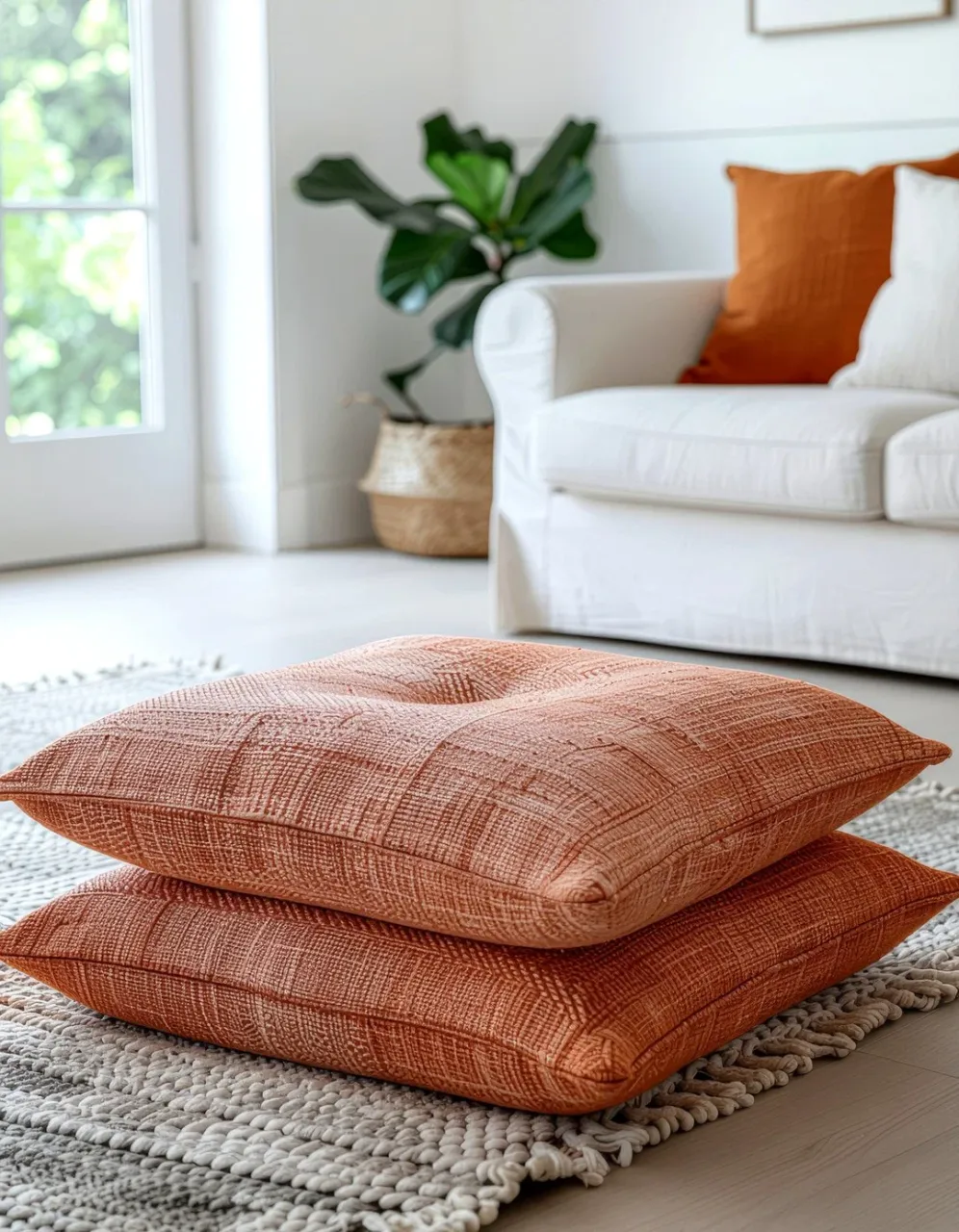
Big floor cushions create a soft, relaxed surface that can double as seating. Neutral linen or soft terracotta fabric adds a gentle pop.
Place the cushions over the existing floor, arranging them in a pattern you like. Budget cushions are thin and easy to fold, while premium ones have a dense fill that stays firm. Slip‑resistant backing keeps them in place.
Fabric can collect dust and may need regular vacuuming. Heavy furniture can compress the cushions over time.
13. Magnetic Floor Tiles

Magnetic tiles snap onto a metal sheet placed under the existing floor. They give a sleek, modern look in gray or slate.
Lay a thin metal sheet, then press each magnetic tile onto it. Low‑cost tiles are light and easy to move, while higher‑grade tiles have a textured surface for better grip. No glue is required.
The metal sheet adds a slight rise to the floor, which can feel odd under tall furniture. Tiles may shift if the metal sheet is not firmly secured.
14. Reclaimed Wood Planks on a Floating Subfloor
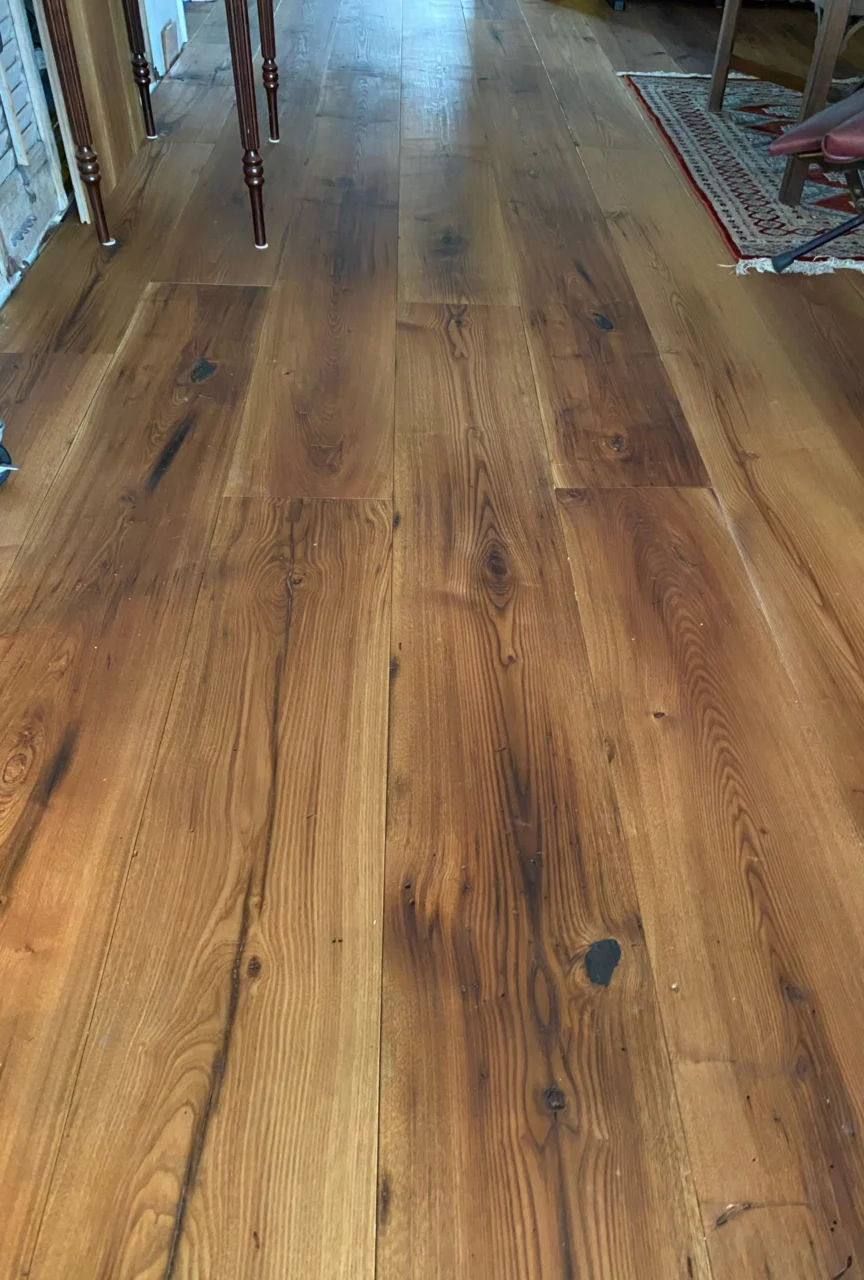
Reclaimed wood adds character with natural knots and weathered tones. Light oak or soft pine works well in bright rooms.
Lay a foam underlay, then place the planks on top, securing them with clips that rest on the edges. Budget reclaimed wood may have uneven edges, while higher‑grade pieces are sanded smooth and sealed. The floating method keeps the original floor untouched.
Wood can expand in humid weather, causing tiny gaps. It may also be heavier to lift if you need to move it later.
15. Laminate Tiles with Adhesive Strips

Laminate tiles give a tiled look without grout lines. White or soft gray tiles brighten a small kitchen.
Peel the adhesive strip from the back and press the tile onto the clean floor. Cheap tiles are thin and easy to replace, while premium tiles have a thicker wear layer that resists scratches. Cut edges with a utility knife.
Adhesive may leave a sticky residue if you remove the tiles later. The tiles can feel hard underfoot compared to carpet.
16. Low‑Pile Shag Rugs

Shag rugs add comfort and a cozy vibe without covering the whole floor. A muted teal or warm greige shade can tie a room together.
Lay the rug in the center of the room, securing it with a non‑slip pad. Budget rugs are lighter and easy to move, while higher‑quality rugs have a denser pile that feels plush. A rug pad also protects the floor underneath.
Shag rugs can trap dust and require regular vacuuming. The longer pile may show footprints in high‑traffic areas.
FAQ
Can I remove peel‑and‑stick vinyl tiles without damaging the floor?
Yes, most tiles come off cleanly if you pull them slowly. A hair dryer can help soften the adhesive for easier removal.
Do removable carpet tiles hold up in a pet‑friendly home?
They can handle light pet traffic, but claws may pull at the edges. Choose a tile with a low‑pile surface for better durability.
Is it safe to lay a floating laminate floor over carpet?
It is not recommended because the carpet can compress and cause the floor to shift. Use a thin foam underlay directly on the hard floor for best results.
How often should I clean rubber floor tiles?
Wipe them with a damp mop once a week to keep them looking fresh. Avoid harsh chemicals that can break down the rubber.
Will floor decals fade in sunlight?
Most vinyl decals are UV‑resistant, but bright sun can cause slight fading over years. Rotate the room layout or use curtains to limit direct exposure.