
Are you wondering how to give a plain wall a warm, worldly feel? An African boho gallery wall can bring color, texture, and story into any room without a big budget.
All you need are a few pieces that speak to the style, a little planning, and the right hanging tools. Follow these steps and you’ll have a wall that feels lived‑in and inviting.
1. Choose a strong centerpiece
The centerpiece could be a large tribal print, a woven wall hanging, or a carved wooden mask that catches the eye. It should be at least half the height of the wall space you plan to fill so it anchors the whole look. Hang it at eye level, usually about 57 inches from the floor, to make it easy to view. A big piece can dominate a small room, so be sure the rest of the wall stays light and simple.
To mount the centerpiece, use sturdy picture hooks that can hold the weight of wood or fabric. Measure twice and drill carefully to avoid cracks in drywall. If you rent, adhesive strips designed for heavy items can work, but they may leave marks when removed. The trade‑off is that adhesive hooks limit how far you can move the piece later.
2. Mix frame styles and textures
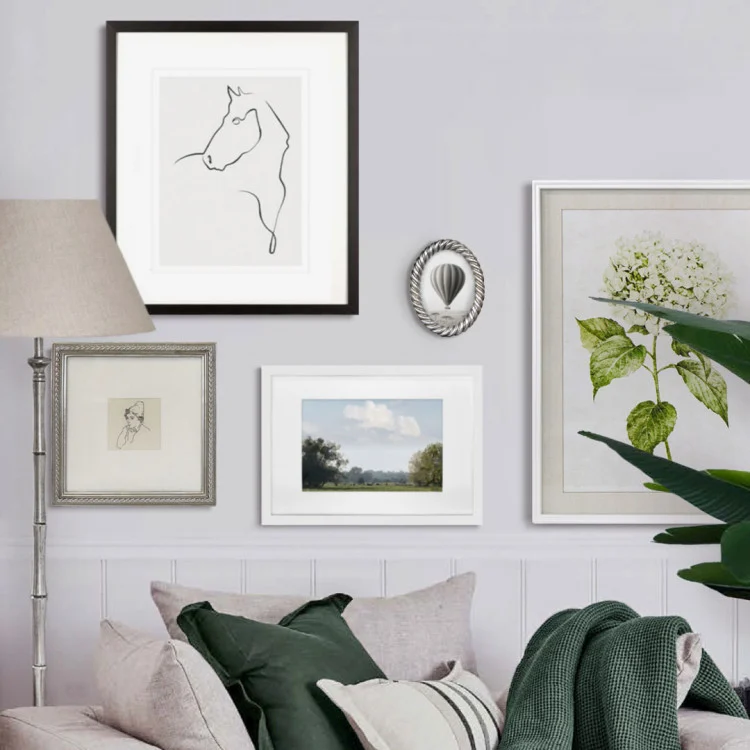
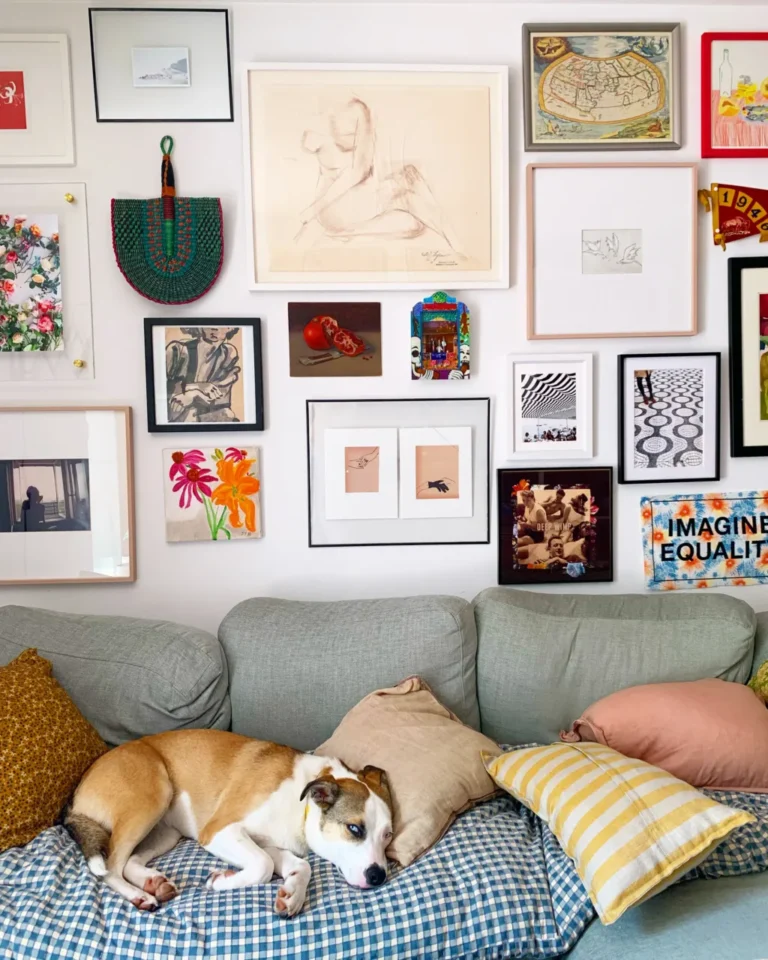
Combine wooden frames, brushed brass, and woven baskets to add depth and interest. A mix of thin and thick borders creates visual rhythm without feeling chaotic. Keep the frame colors in earthy tones like warm brown, soft gold, or natural linen to stay true to the boho vibe.
When you pick frames, look for ones that are easy to open so you can swap art as you like. Use a level and a measuring tape to keep the spacing even, usually about two inches between each piece. Frames made of reclaimed wood can be beautiful but may need occasional sanding to stay smooth. The downside is that reclaimed pieces can be heavier, requiring stronger wall anchors.
3. Use an earthy color palette
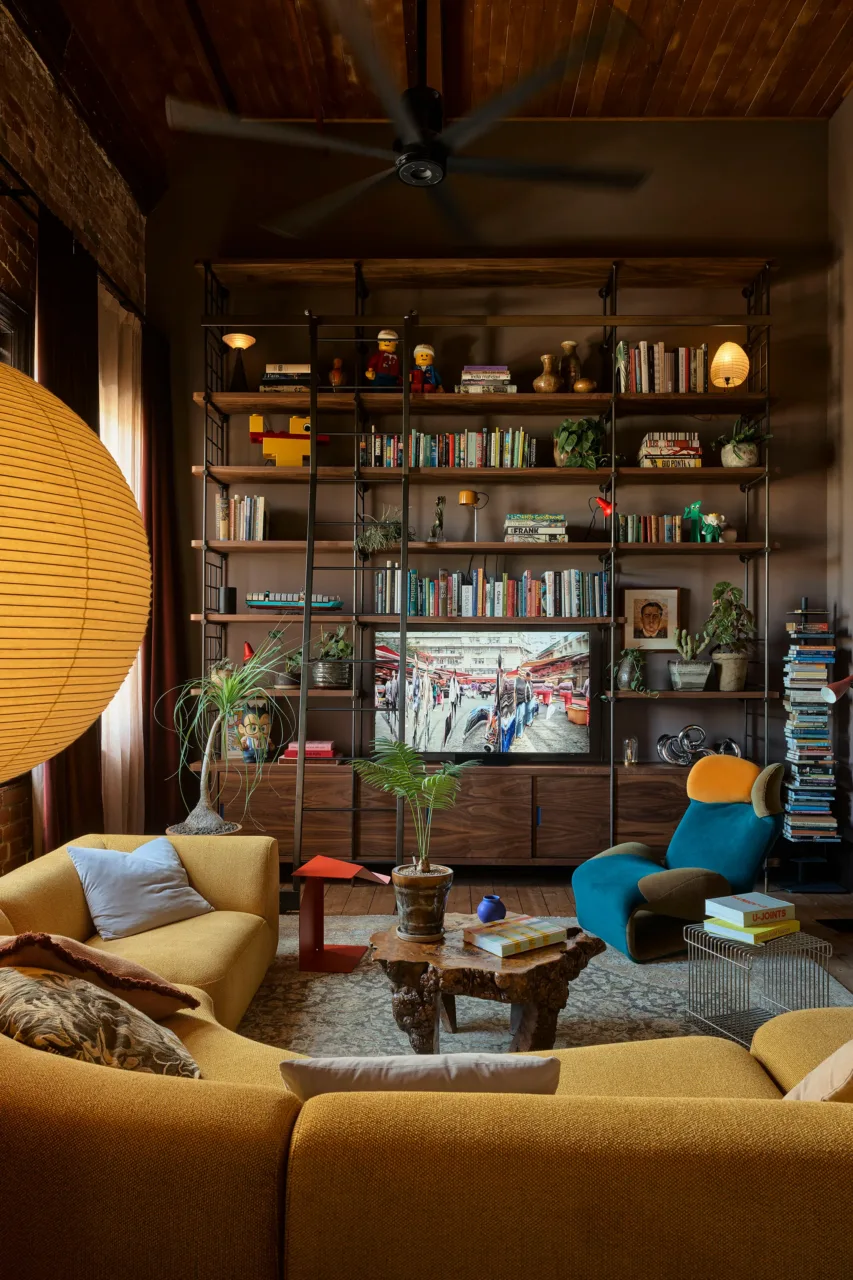
Colors such as deep terracotta, muted olive, soft ochre, and dusky teal work well together in an African boho setting. Choose prints or photos that feature these shades to tie the wall to the rest of the room. A few bright accents, like a splash of rust red, can add a playful touch without overwhelming the space.
Pick artwork that has a natural background, like a savanna scene or a market stall, to keep the palette grounded. If the room already has a lot of color, stick to one or two tones in the gallery to avoid clash. Fabrics with subtle patterns can bring color without adding visual noise. Just remember that very dark hues may make a small room feel tighter, so balance them with lighter frames.
4. Add natural elements like woven baskets or carved wood
Small woven baskets, carved wooden plaques, or hand‑painted clay plates can bring texture to the wall. These items break up flat images and add a tactile feel that invites touch. Place them at varying heights to keep the eye moving across the display.
Attach baskets with small nails or picture hooks that can support their weight. If you use a clay plate, consider a clear acrylic mount to protect it from dust. Natural pieces may collect dust faster than glass, so plan to dust them weekly. The trade‑off is that some natural items can be fragile, so keep them out of high‑traffic zones.
5. Plan the layout with a grid or organic shape
Start by laying out the frames on the floor or a large sheet of paper to see how they fit together. A simple grid gives order, while an irregular shape feels more relaxed and true to boho style. Keep the overall shape within a rectangle that matches the wall area you want to cover.
Measure the center point of the wall and work outward, marking nail spots with a pencil. Use a level for each piece to avoid crooked lines. If you prefer a free‑form layout, step back often to check balance. The downside of a free‑form design is that it can look messy if the spacing isn’t even.
6. Light the gallery with warm lamps or soft string lights
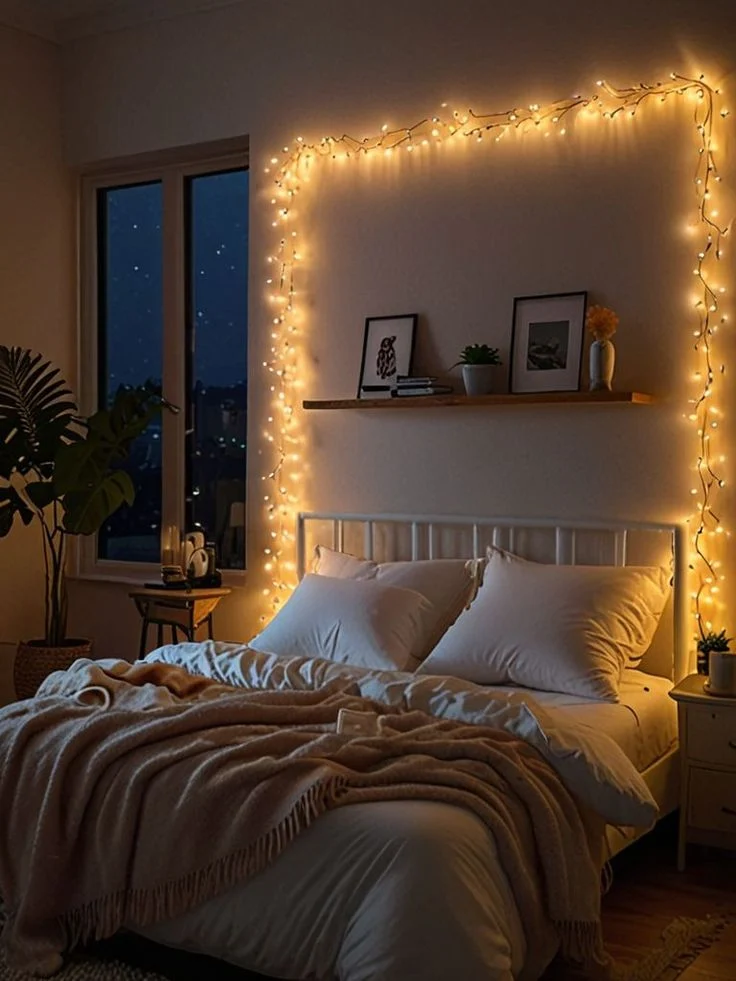
Warm lighting highlights the colors and textures without creating harsh shadows. A small floor lamp placed near the wall or a set of battery‑operated string lights can add a gentle glow. Choose bulbs with a soft white hue, around 2700 K, to keep the vibe cozy.
Attach string lights with tiny clips that won’t damage the paint, and run the cord along the baseboard. If you use a lamp, aim the shade toward the center of the gallery for even light. Lighting fixtures can draw attention to the wall but may add extra cost. Also, too many lights can make the area feel cluttered, so keep the count modest.
7. Keep the wall balanced and easy to change
Leave some empty space between groups of frames to let each piece breathe. This negative space prevents the wall from feeling overloaded and makes it easier to add new items later. A balanced look also helps the room feel calm and welcoming.
Use removable hooks so you can switch out art without damaging the wall. Keep a small notebook with the placement measurements for future changes. The benefit is flexibility, but removable hooks may not hold very heavy pieces, so check the weight limit. Regularly dust the wall and frames to keep the colors bright and the textures fresh.
FAQ
How do I pick the right size for my gallery wall?
Measure the wall space and aim for a layout that covers about two‑thirds of the width. This keeps the display proportionate and leaves room for furniture. Too large a gallery can overwhelm a small room, while too small a layout may look unfinished.
Can I hang a gallery wall in a rental without damaging the paint?
Yes, use adhesive picture strips that are rated for the weight of your frames. Follow the manufacturer’s instructions and test on a hidden spot first. These strips can leave small marks if removed quickly, so plan ahead.
What if I don’t have any African artwork already?
Look for prints that feature African landscapes, textiles, or patterns at local markets or online stores. You can also frame fabric swatches from a store that sells African prints. Keep the colors in the same earth‑tone range to stay cohesive.
How often should I clean the items on my gallery wall?
Dust the frames and natural pieces once a week with a soft cloth. For wooden or woven items, use a dry brush to avoid moisture damage. Over‑cleaning can wear away finishes, so stick to gentle dusting.
Is it okay to mix photos with art prints on the same wall?
Mixing photos and art prints works well if they share a similar color palette. Use simple frames for photos to let the art stand out. Too many different styles can look chaotic, so limit the mix to a few pieces.


Leave a Reply