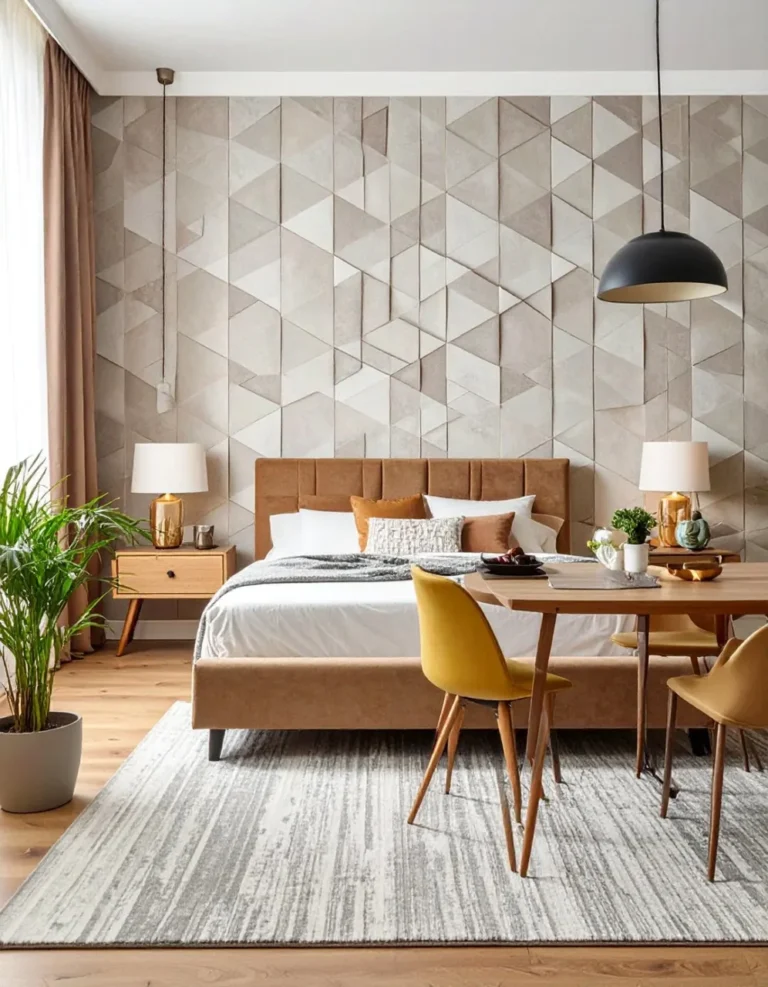
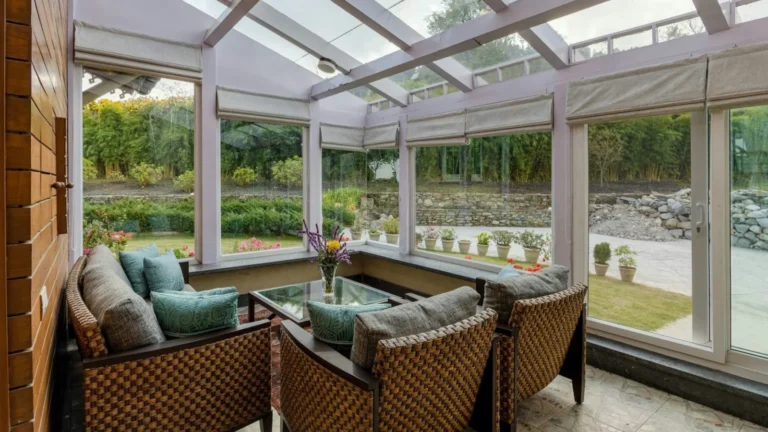
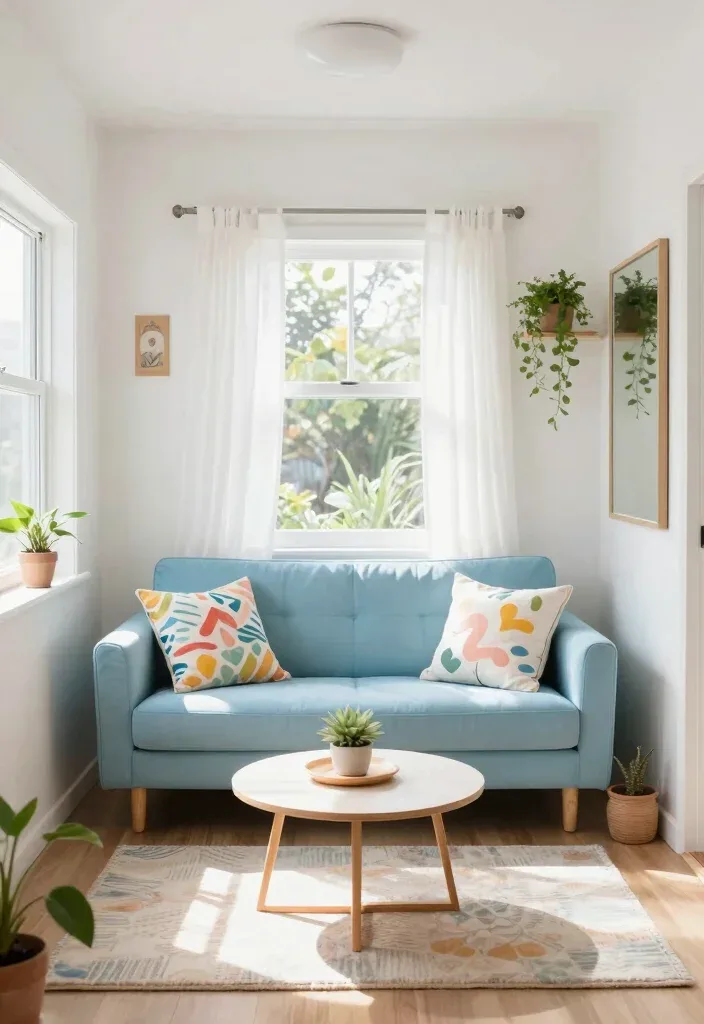
Affordable Apartment Makeover Ideas for Renters
Renting means you can’t paint walls or replace floors. An affordable apartment makeover still lets you create a fresh, personal space. Small tweaks can make a big impact without breaking the bank.
This guide walks you through sixteen ideas you can try in any apartment. Each idea uses items that are easy to move or remove when you move on. You’ll find tips on style, placement, and what to watch out for.
Before you start, write down the rooms you want to change and the budget you have. Knowing what you need helps you pick the right pieces and avoid impulse buys. A quick plan saves time and money.
1. Add a Peel‑and‑Stick Wallpaper Accent
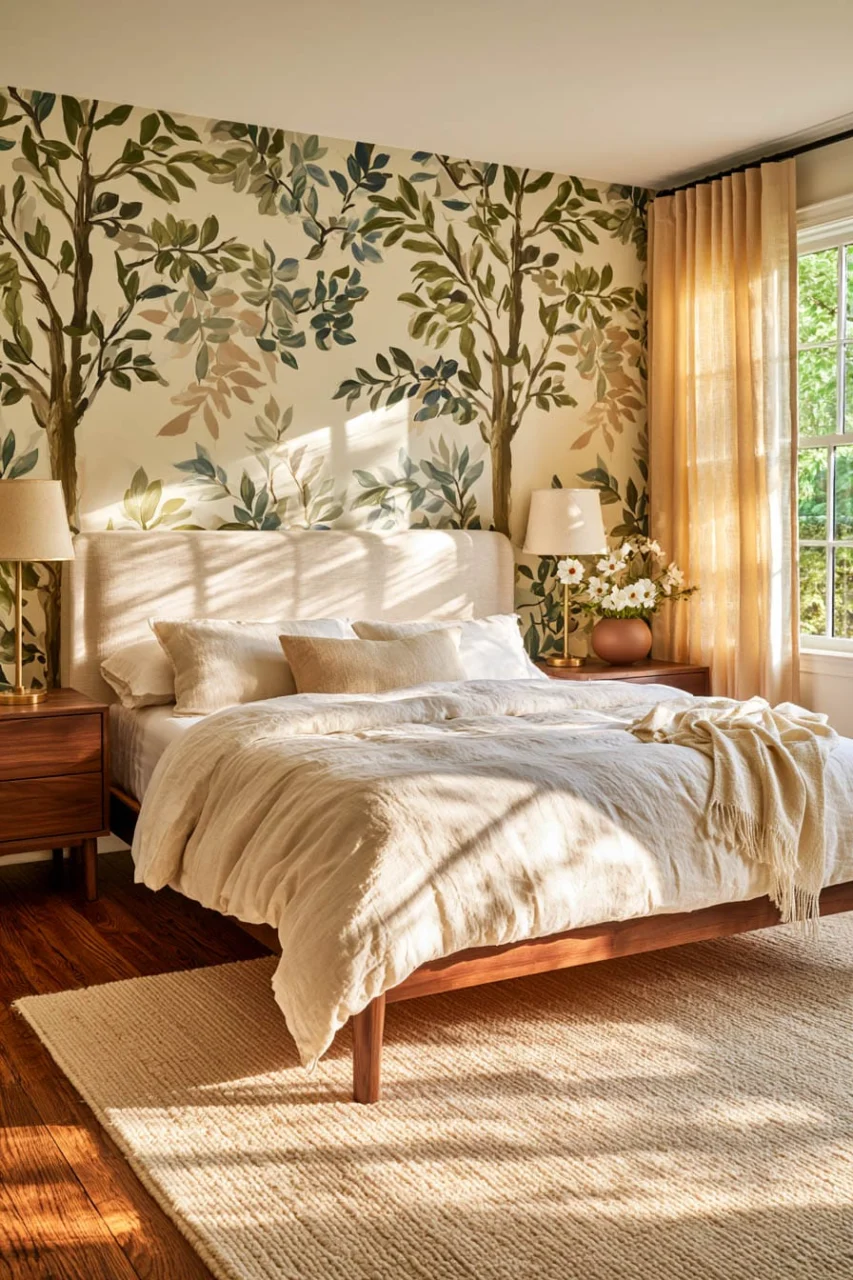
A single wall covered in patterned wallpaper can become the room’s focus. Choose a design with soft tones like sage or warm greige for a calm feel. The wallpaper sticks to smooth surfaces and peels off cleanly when you leave.
Measure the wall, cut the rolls, and apply the strips from top to bottom. Use a smoothing tool to press out bubbles and align the pattern. Most rolls cost under $30 and last several years.
Be aware that textured walls may not hold the adhesive well. Test a small patch before covering the whole area. If it doesn’t stick, a painted canvas can mimic the look.
2. Swap Out Cabinet Hardware
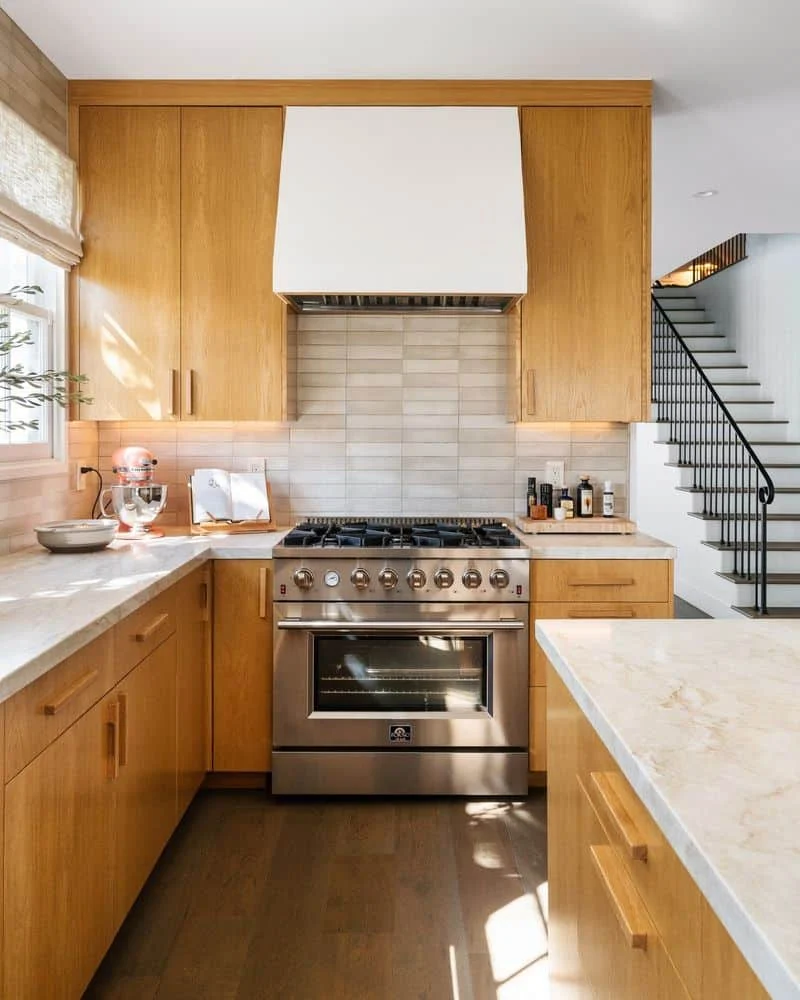
Old knobs and pulls can make a kitchen feel dated. Replacing them with brushed brass or matte black handles adds instant style. The new pieces are small but draw the eye to every drawer.
Unscrew the existing hardware with a simple screwdriver. Align the new holes and tighten the screws until snug. Most sets cost $15‑$25 and fit standard cabinet sizes.
If the original holes are not in the right spot, you may need to fill them with wood putty. This adds a step and a small extra cost. The result still looks clean once painted over.
3. Lay Removable Floor Tiles
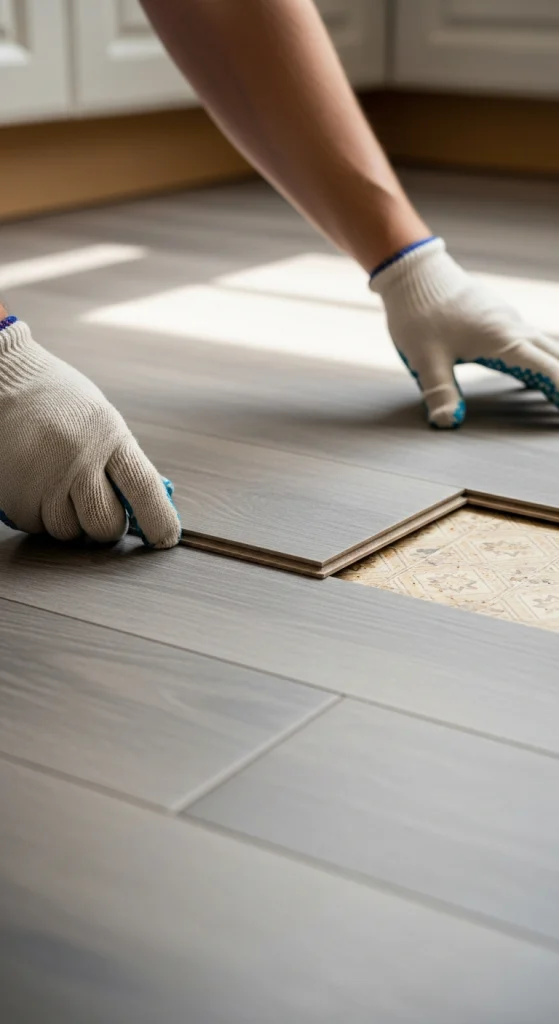
Hardwood or tile floors can feel cold and plain in a rental. Interlocking vinyl tiles give a warm look and are easy to install. They come in colors like soft terracotta or cool slate.
Start from one corner and click the pieces together, trimming the edges with a utility knife. Press each tile firmly to avoid gaps. A full room can be covered for under $100.
These tiles are not ideal for heavy furniture that may dent them. Use felt pads under legs to protect the surface. When you move, the tiles lift off without leaving residue.
4. Hang Floating Shelves
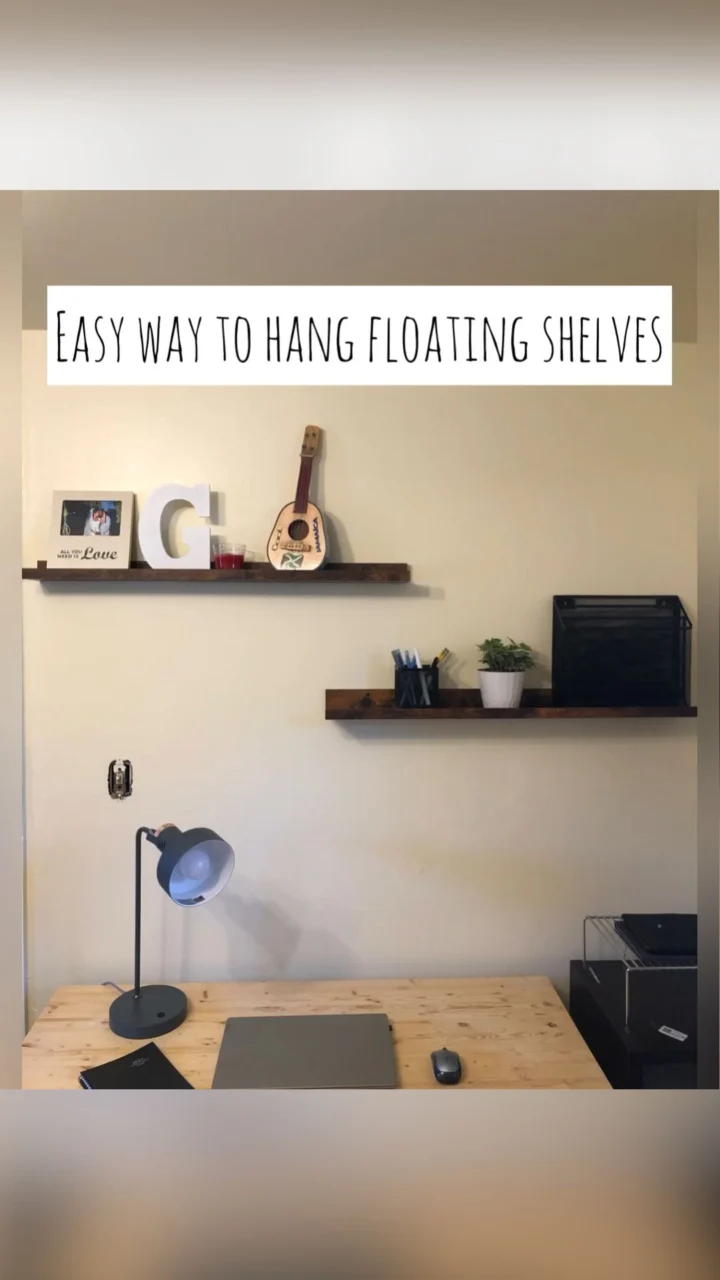
Empty walls often lack storage and visual interest. Floating shelves give you space for books, plants, or decor without taking floor room. Light‑colored wood or white finishes keep the look airy.
Mark the wall studs, drill pilot holes, and attach the brackets securely. Place the shelf on the brackets and level it with a small spirit level. Each shelf costs about $20‑$35.
If you cannot drill into the wall, adhesive brackets are an option but hold less weight. Stick to lightweight items to avoid sagging. This method works well in bedrooms or living rooms.
5. Bring in a Large Indoor Plant
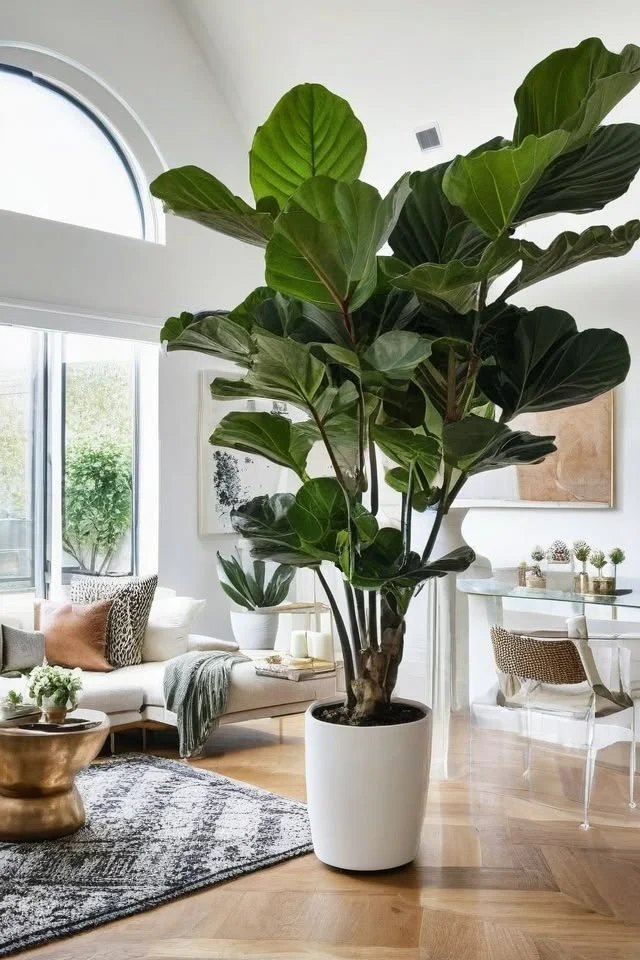
Plants add life and improve air quality in small apartments. A tall fiddle leaf fig or a cascading pothos can fill an empty corner. Choose a pot that matches your color scheme.
Pick a plant that thrives in the light your space receives. Water it according to the species and use a saucer to catch excess water. A good plant costs $30‑$50.
Some plants shed leaves or need frequent care, which can be a hassle for busy renters. Start with a low‑maintenance snake plant if you travel often. Place it near a window for best growth.
6. Use Decorative Curtains
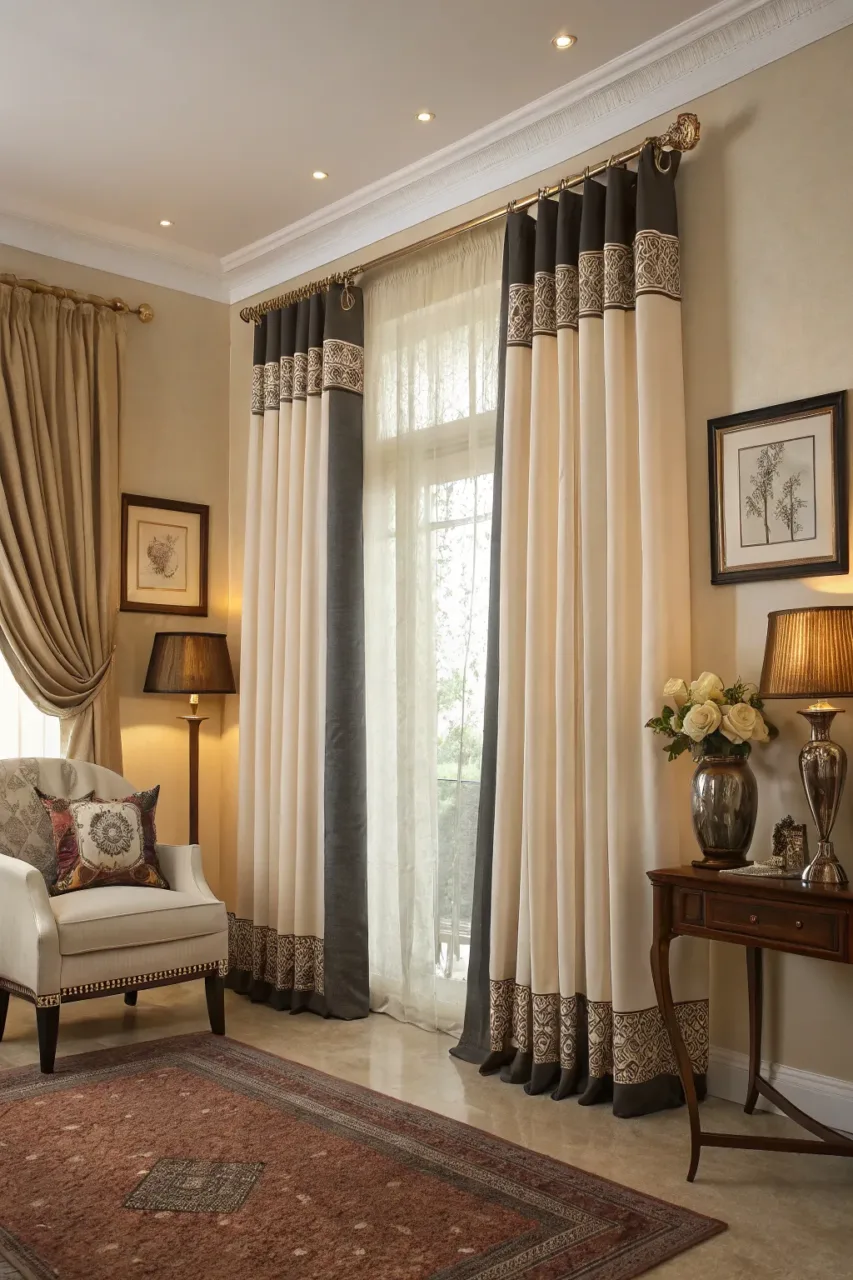
Plain window blinds can make a room feel stiff. Adding curtains in a soft fabric like linen brings warmth and texture. Choose a pattern that includes a hint of your wall color.
Measure the window width and length, then add a few inches for a full look. Hang a tension rod or a simple rod that does not require drilling. Curtains often cost $25‑$40 per panel.
Heavy curtains may block too much light in a small space. If you need more brightness, pick a lighter fabric or a sheer layer underneath. This keeps privacy while letting sunlight in.
7. Update Lighting with Plug‑In LED Strips
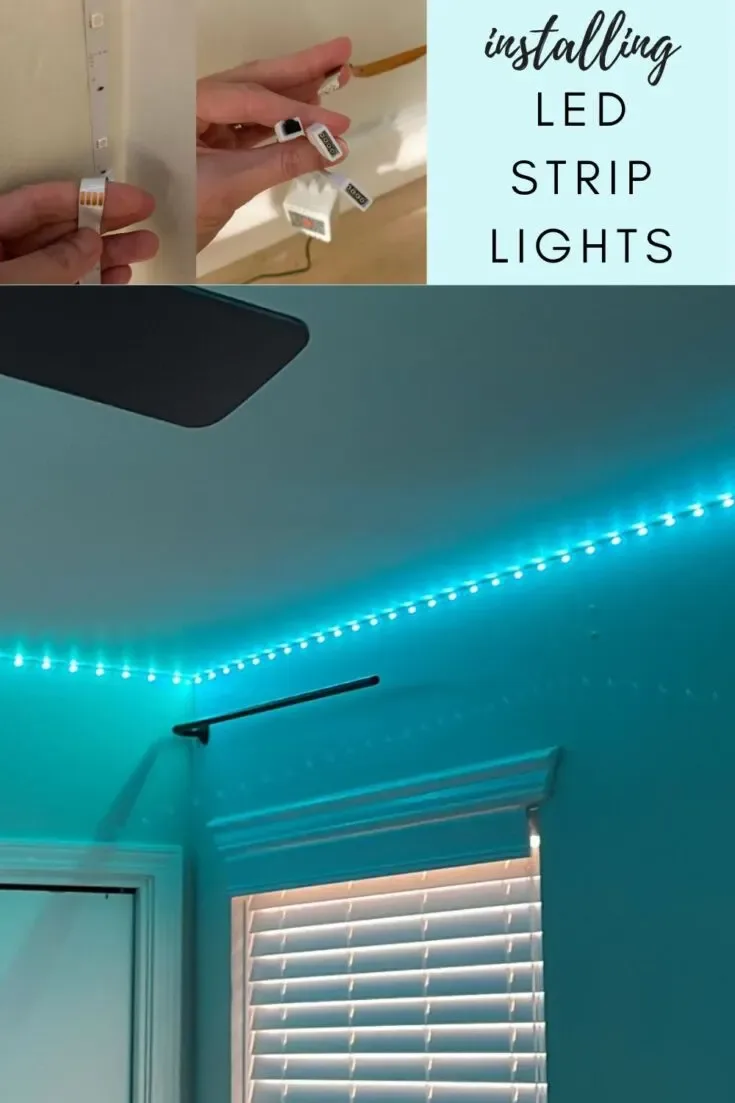
Harsh overhead lights can make a living area feel cold. LED strips placed behind a TV or under a desk add a soft glow. Choose warm white tones for a cozy effect.
Measure the length you need, cut the strip at the marked spot, and plug it into a nearby outlet. Use the included adhesive backing to stick the strip where you want.
LED strips draw a small amount of power but still add to your electricity bill. Turn them off when not in use to save energy. They are easy to remove without damaging walls.
8. Place a Stylish Area Rug
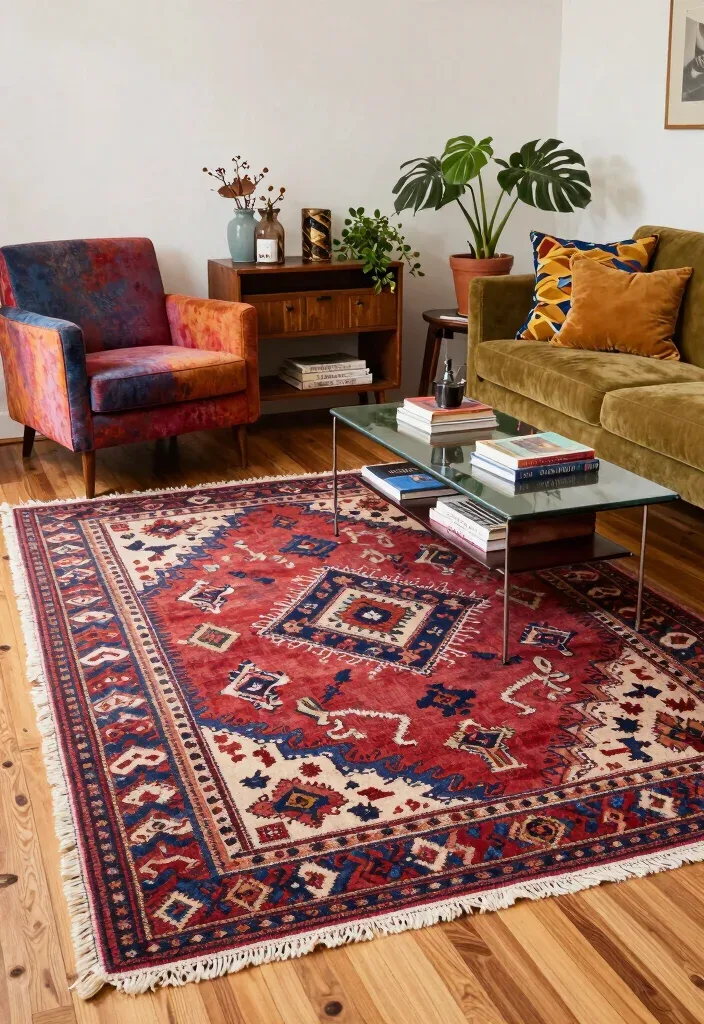
Hard floors can feel echoey and uninviting. A medium‑size rug defines the seating area and adds comfort underfoot. Neutral tones like beige or soft gray blend with most decor.
Lay the rug so that at least half of the front legs of your sofa sit on it. Use rug pads to keep it from slipping and to add cushioning. A good rug costs $50‑$80 for a 5‑by‑7 size.
Rugs can collect dust and need regular vacuuming. If you have pets, choose a low‑pile material that cleans easily. This keeps the space looking tidy.
9. Create a Coffee Bar with a Cart
Morning coffee routines can feel cramped on a kitchen counter. A small rolling cart gives you extra surface for a mug rack, beans, and a kettle. Choose a cart with metal legs and a wood top for a modern look.
Place the cart near an outlet and store supplies in the lower shelves. Add a small tray to keep coffee pods or tea bags organized. Carts often cost $40‑$70.
The cart takes up floor space, so make sure you have room to move around. If space is tight, a wall‑mounted shelf can serve a similar purpose. The cart is easy to move when you need more room.
10. Use a Decorative Room Divider
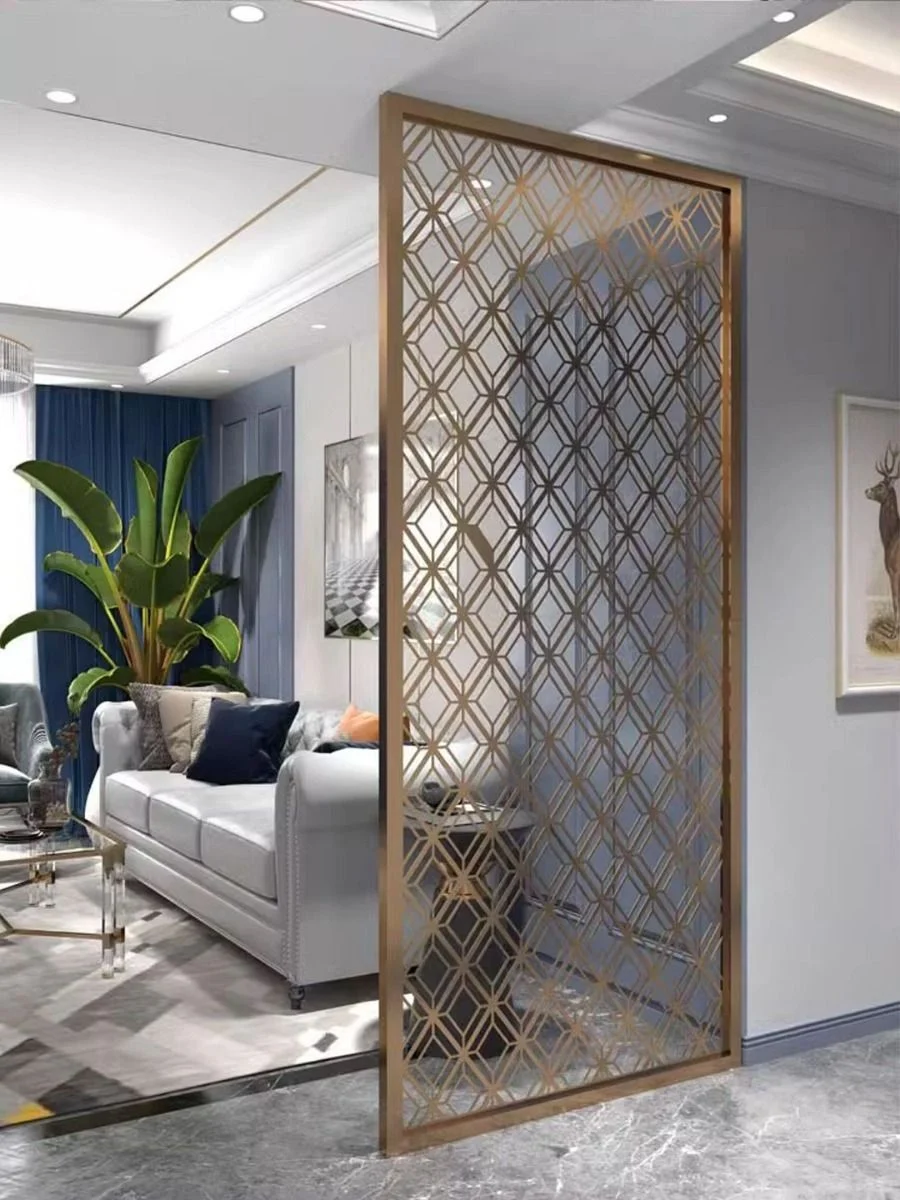
Open floor plans can lack privacy for work or sleep areas. A folding screen or curtain divider creates a visual break without permanent walls. Choose a design with light wood or simple fabric.
Set the divider where you need separation, such as between a desk and a sleeping mat. Secure it with a tension rod if it’s a curtain, or simply unfold the screen. Dividers range from $30 to $60.
Dividers do not block sound, so they work best for visual cues. If you need more acoustic privacy, add a thick rug or a bookshelf. The divider can be stored when you want an open feel.
11. Add a Statement Mirror
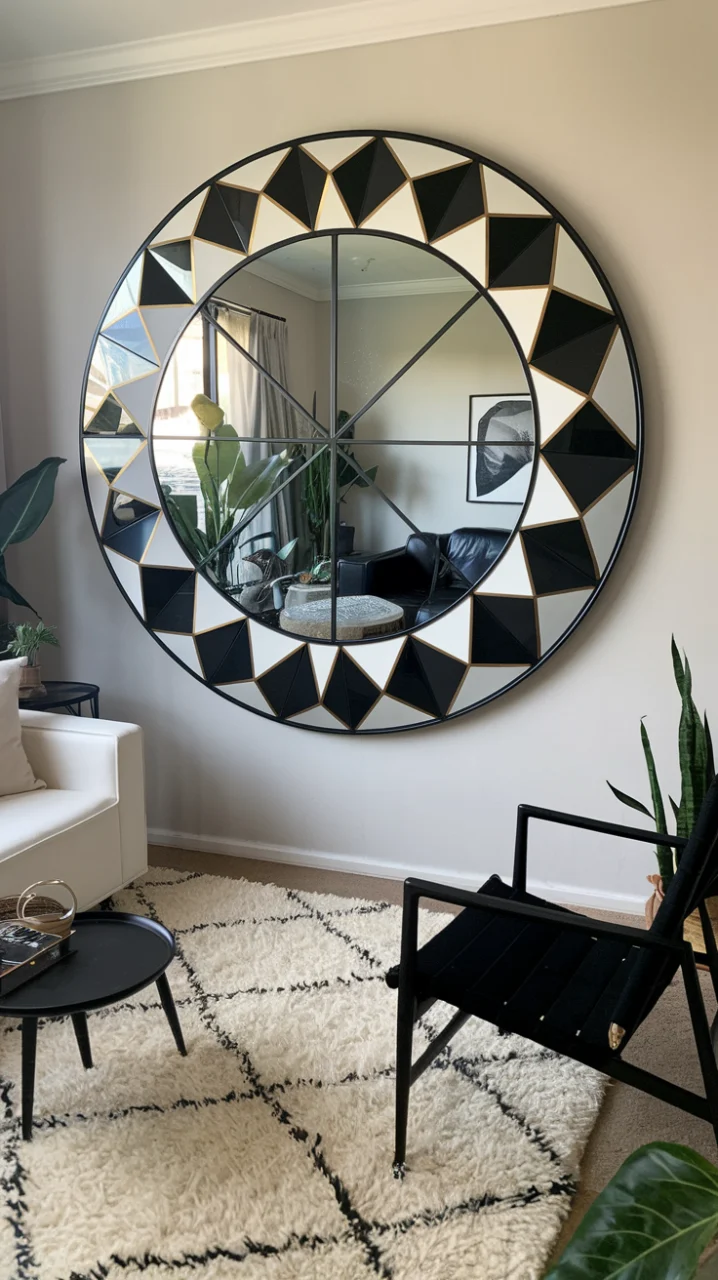
Small apartments often feel cramped and lack natural light. A large mirror reflects light and makes the room appear bigger. Look for frames in brushed brass or reclaimed wood for texture.
Hang the mirror at eye level on a wall that faces a window. Use picture‑hanging strips if you cannot drill into the wall. Mirrors can be found for $40‑$80.
Mirrors can be fragile, so keep them away from high‑traffic areas. If you have children or pets, choose a framed mirror with safety glass. This adds style without risking breakage.
12. Refresh with Decorative Throw Pillows
Neutral sofas can look plain after a while. Throw pillows in different fabrics and colors add depth and comfort. Mix textures like boucle, linen, and soft cotton.
Pick pillows that are 18‑20 inches square and match at least one color in your room. Arrange them in a layered fashion, starting with the largest behind the smaller ones. A set of three often costs $20‑$30.
Too many pillows can make a sofa feel cluttered. Stick to three or four pieces for balance. Switch them out seasonally for a quick refresh.
13. Install a Tension Rod for a Hanging Closet
Closet space is limited in many rentals, leading to cramped shelves. A tension rod lets you hang scarves, belts, or a small wardrobe line. It fits between two walls without drilling.
Measure the width of the space, extend the rod, and twist it until it’s snug. Place hooks or hangers on the rod for easy access. Tension rods are usually under $15.
The rod can slip if the walls are uneven or the weight is too heavy. Use a rubber pad on each end for extra grip. This solution works best for lightweight items.
14. Use Magnetic Spice Racks in the Kitchen
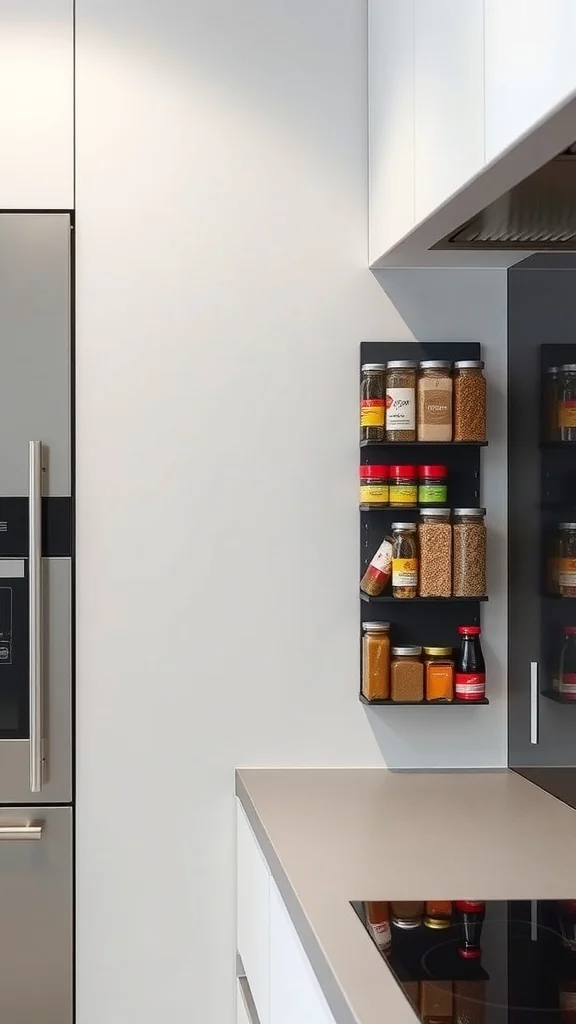
Counter space in a small kitchen disappears quickly with jars and bottles. Magnetic spice racks cling to the side of the fridge or a metal strip, freeing up the counter. Small metal tins keep spices fresh.
Attach a magnetic strip to the fridge with adhesive, then stick the tins onto it. Label each tin with a simple marker for quick identification. A set of six tins costs about $12.
If the fridge door is opened often, the rack may shift. Choose a strong magnet or add a second strip for stability. This keeps spices organized without permanent fixtures.
15. Create a Gallery Wall with Frames
Blank walls can feel empty and lack personality. A gallery of frames adds visual interest and showcases art or prints you love. Use a mix of sizes in a cohesive color like black or white.
Lay the frames on the floor to find a balanced layout before hanging. Use picture‑hanging strips to avoid nail holes. Fill each frame with prints, postcards, or fabric swatches.
The wall can become crowded if you add too many pieces. Keep the total area under two-thirds of the wall space. This maintains a clean look while adding character.
16. Upgrade Bathroom Accessories with Coordinated Sets
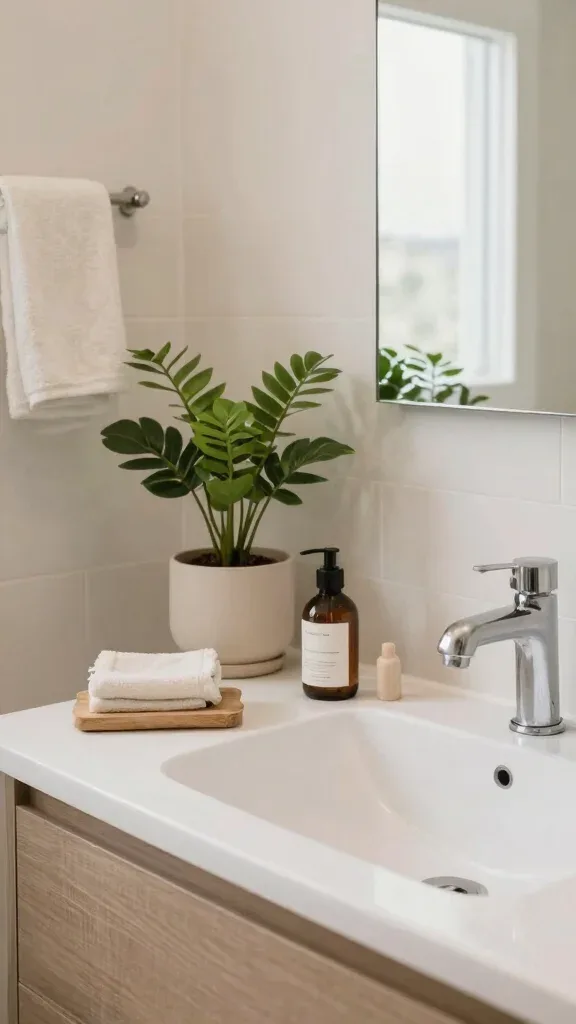
Standard bathroom fixtures can feel bland and generic. Swapping out the soap dish, toothbrush holder, and trash can for a matching set lifts the look. Choose matte black, brushed nickel, or pastel tones for a fresh feel.
Buy a set that includes at least three pieces and matches your faucet finish. Place each item near its use point for convenience. Sets are typically $20‑$35.
Coordinated accessories can be harder to replace individually later. If you like to change styles often, pick neutral colors that blend with any theme. This gives you flexibility without extra cost.
FAQ
How can I make a rental feel more personal without breaking the lease?
Use items that are easy to remove, like peel‑and‑stick wallpaper and adhesive hooks. These changes add style but leave walls untouched when you move out.
What’s the best way to add storage in a small apartment?
Floating shelves and tension rods give you extra space without taking up floor area. Choose lightweight pieces that you can move easily.
Can I improve lighting without rewiring?
Plug‑in LED strips and floor lamps add warmth and brightness without any electrical work. Just place them near an outlet and enjoy the new glow.
Are there cheap ways to protect my floors in a rental?
Removable vinyl tiles and area rugs protect hard floors while adding style. Both options can be lifted when you leave.
How do I keep my decor budget under $100 per room?
Focus on small changes like new hardware, throw pillows, and a gallery wall. These items cost less and make a big visual impact.