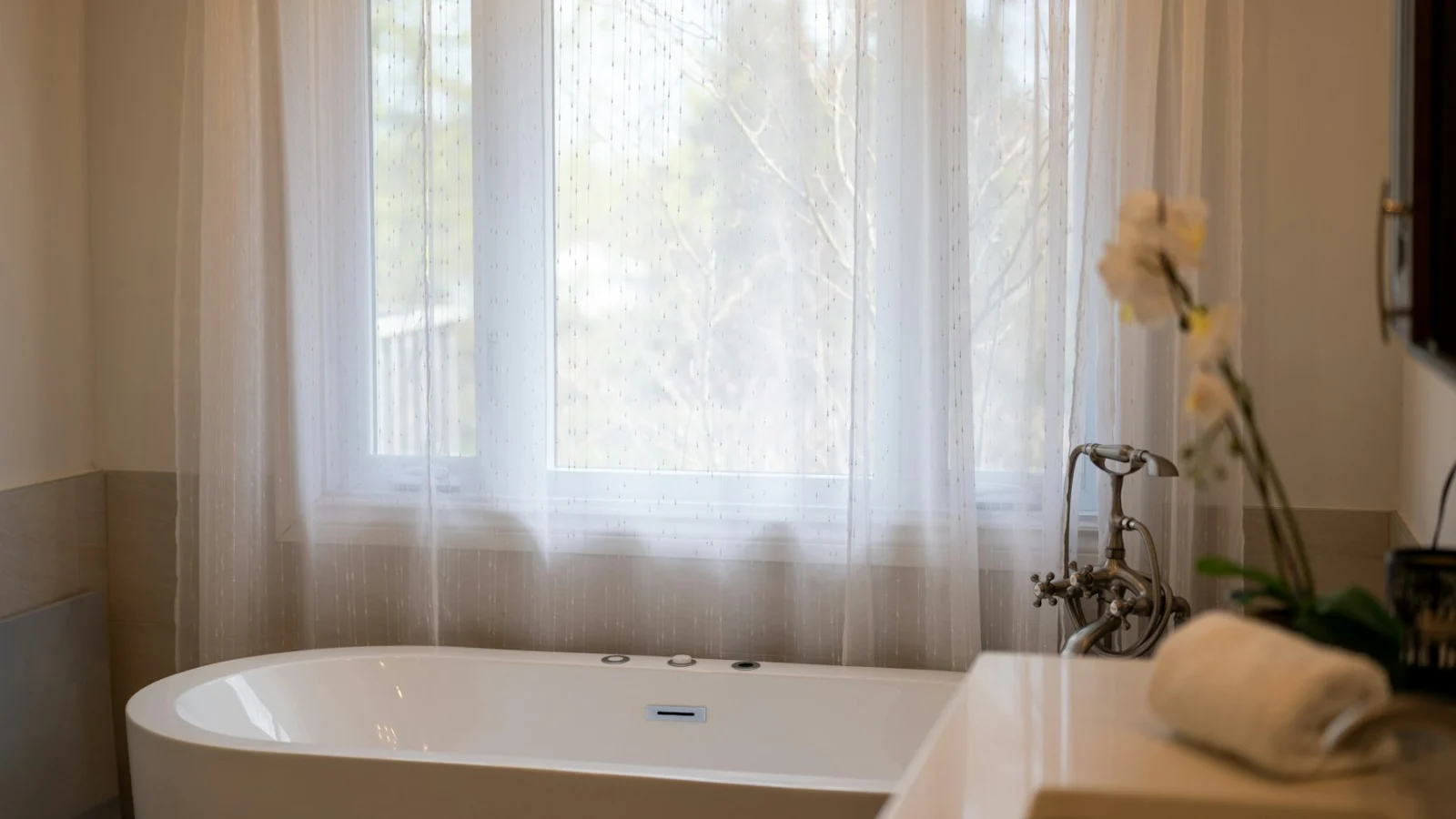
Bathroom Curtain Ideas That Add Softness and Warmth to Any Bath
When you step into a bathroom, the first thing you notice is often the harsh glare of tile and the stark lines of fixtures. A well‑chosen curtain can instantly soften that edge, turning a functional space into a quiet retreat. Below are seven distinct ideas that bring texture, color, and a touch of serenity to any bathroom without a major remodel. Each suggestion includes practical tips, common pitfalls, and budget‑friendly options so you can pick the approach that fits your style and schedule.
1. Embrace Light Fabrics for Airy Elegance
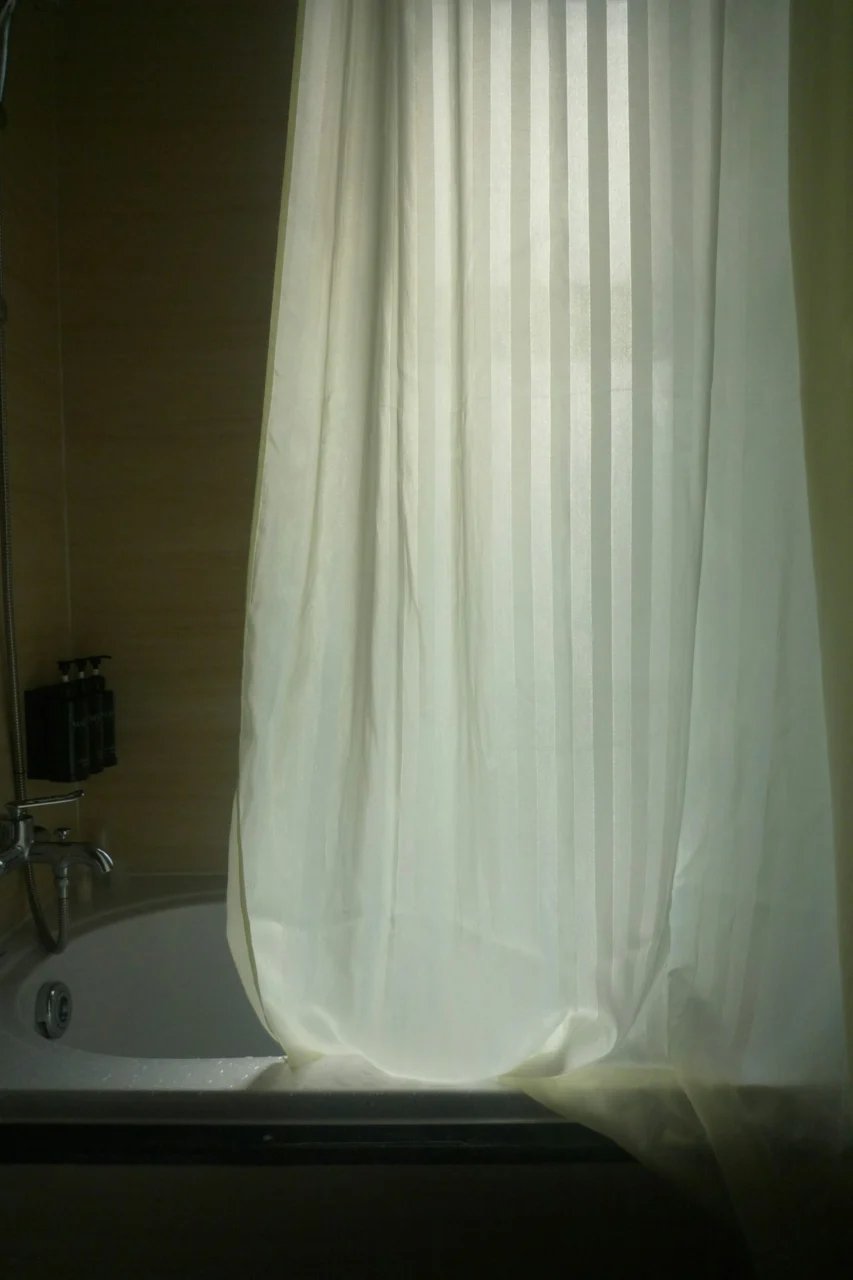
Photo by Jamie Trinh on Unsplash
Choosing a fabric that drapes gently is the foundation of a soft bathroom look. Natural fibers such as linen, cotton voile, or bamboo blends catch light without looking heavy.
Why it works
- Breathability: Light fabrics allow steam to pass, reducing mildew risk.
- Subtle texture: A slight nap adds depth without overwhelming the space.
Tips to avoid common issues
- Check the fabric weight—a 120‑150 gsm cotton is ideal; heavier cloth can cling when wet.
- Pre‑wash the material to prevent shrinkage after installation.
- Opt for a fade‑resistant dye if the bathroom gets a lot of sunlight.
2. Layer with Sheer Liners for Depth
Adding a sheer liner behind a decorative curtain creates a two‑tone effect that feels plush yet practical. The liner shields the outer fabric from moisture while diffusing light.
Installation basics
- Hang the liner on a standard rod, then attach the decorative panel with a second, slightly shorter rod.
- Choose a liner in a neutral tone—off‑white or pale gray—to keep the focus on the outer design.
Potential pitfalls
- Ensure the liner’s length matches the decorative curtain; mismatched lengths look sloppy.
- Avoid overly glossy linings, as they can reflect steam and appear wet.
3. Choose Soft‑Hued Prints That Whisper Calm
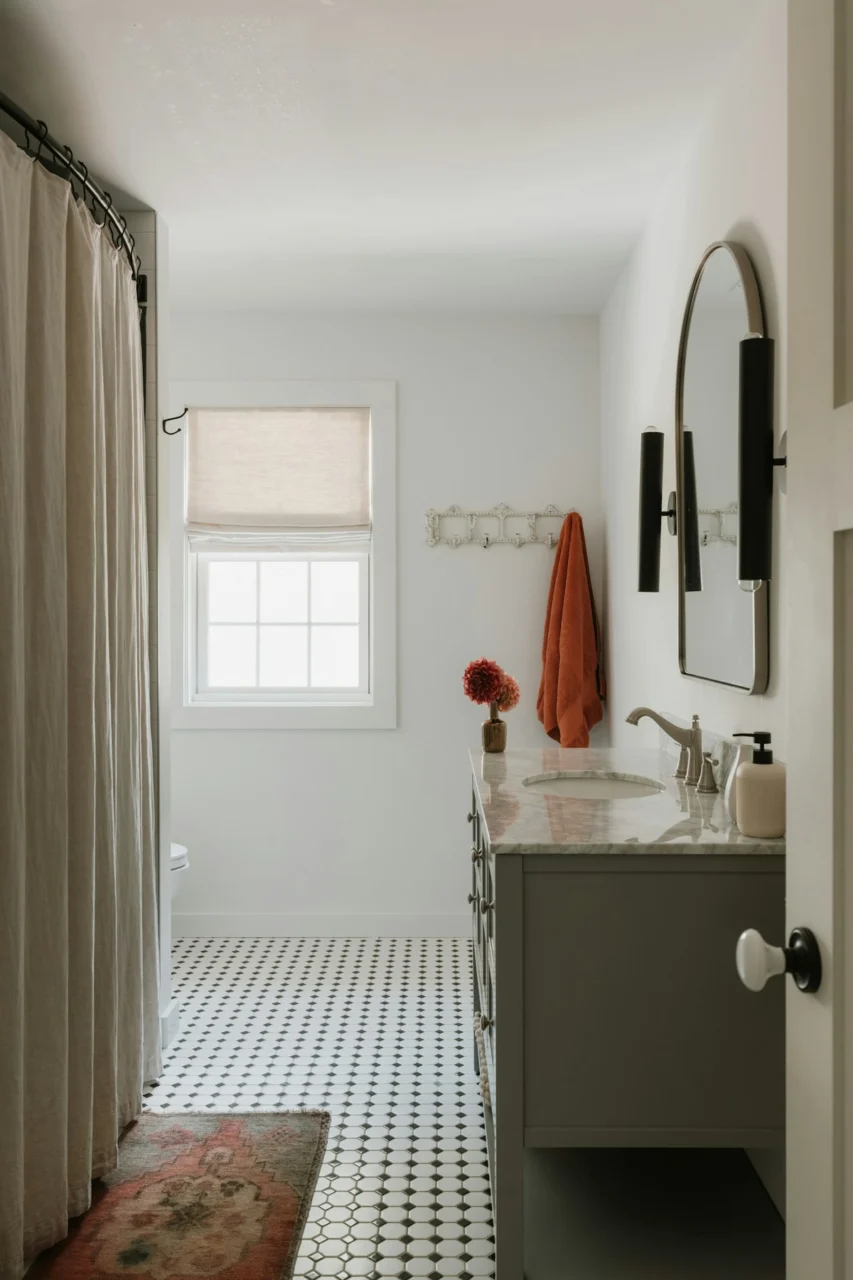
Photo by Clay Banks on Unsplash
Subtle patterns in pastel palettes—think sage, blush, or muted sky—introduce visual softness without competing with tiles or accessories.
Design strategies
- Pair a printed curtain with solid‑colored towels that echo one hue from the pattern.
- Scale matters: small botanical motifs work well in compact bathrooms, while larger abstract washes suit spacious showers.
What to watch for
- Highly saturated colors can clash with existing fixtures; test a swatch against your wall before committing.
- Patterns with heavy contrast may show water spots more readily; choose prints with gentle gradations for easier cleaning.
4. Add Textured Trim for Subtle Touch

Photo by Lisa Forkner on Unsplash
Lace, rickrack, or fringe trim can be sewn onto the curtain’s edge to introduce tactile interest. The key is to keep the embellishment light so it doesn’t become a cleaning burden.
Application ideas
- Attach a narrow lace border along the bottom hem for a vintage feel.
- Use fringe cords on the curtain’s sides; they sway gently with a draft, adding motion.
Maintenance notes
- Trim should be removable or machine‑washable; otherwise, it can trap moisture.
- Limit trim width to 1‑2 inches to maintain a sleek silhouette.
5. Incorporate Natural Materials for Warmth

Photo by Aleksandra A on Unsplash
Materials such as bamboo rods, woven rattan rings, or jute tie‑backs bring an organic softness that complements the fabric.
Choosing the right hardware
- Match the curtain’s color palette with the wood tone of the rod for cohesion.
- Rattan rings add a casual vibe; they’re sturdy enough for heavier curtains.
Durability considerations
- Ensure any wooden component is sealed to resist humidity.
- Jute tie‑backs should be replaced periodically, as they can fray in damp environments.
6. Play with Length and Gather for Flow
A floor‑length curtain that pools slightly can create a luxurious, spa‑like atmosphere. Conversely, a crisp, just‑above‑shower‑tub length offers a clean, contemporary feel.
How to determine the right length
- Measure from the rod to the floor, then add 2‑4 inches if you prefer a soft puddle.
- For a sleek look, stop the curtain ½‑inch above the tub rim to avoid water splash.
Gathering techniques
- Use grommets spaced evenly for a smooth fold.
- Ring‑top curtains allow adjustable gathering; pull the rings together for a fuller look.
7. DIY Softening Projects You Can Tackle

If you love a hands‑on approach, simple upgrades can transform a plain curtain into a statement piece.
Easy upgrades
- Fabric dye: Submerge a white or light‑colored curtain in a soft pastel dye to match your palette.
- Stenciled motifs: Use fabric paint and a stencil to add delicate leaves or waves.
- Pom‑pom tassels: Attach a few small tassels to the bottom hem for a playful touch.
Safety reminders
- Work in a well‑ventilated area when using dyes or paints.
- Allow ample drying time before hanging to prevent streaks.
FAQ
Photo by Taylor Heery on Unsplash
Can I use a shower curtain as a bathroom window curtain?
Yes, as long as the fabric is water‑resistant and the hardware matches the window size. Look for a curtain with a PEVA or polyester backing to avoid moisture damage.
How often should I wash bathroom curtains?
Most fabrics benefit from a wash every 2‑3 months. If the curtain is prone to mildew, consider a monthly rinse in warm water with a mild detergent.
Is it safe to hang a curtain on a ceiling rod?
Ceiling rods are fine for lightweight fabrics. For heavier linen or cotton, ensure the ceiling anchors are rated for the weight to avoid sagging.
What’s the best way to prevent mold on curtain liners?
Choose a liner labeled mildew‑resistant and allow it to dry fully after each shower. A quick swipe with a vinegar‑water solution once a month helps keep spores at bay.
Can I mix different curtain styles in the same bathroom?
Mixing is possible if the pieces share a common color or material. For instance, a linen curtain paired with a jute tie‑back creates harmony through texture rather than matching patterns.
Final Thoughts
Softening a bathroom doesn’t require a full renovation—just thoughtful curtain choices. Whether you opt for airy linen, layered sheers, subtle prints, or a DIY accent, each idea adds a tactile dimension that balances the room’s hard surfaces. Pick the approach that aligns with your style, budget, and maintenance comfort, and enjoy a bathroom that feels as gentle as it looks.