
Do you think your tiny room needs space decorating ideas? Mirrors can open up a space and make it feel larger.
Below are fourteen practical ways to add mirrors without crowding a small room. Each tip shows what it looks like, how to set it up, and a real‑world downside to keep in mind.
1. Hang a full‑length mirror on a narrow wall
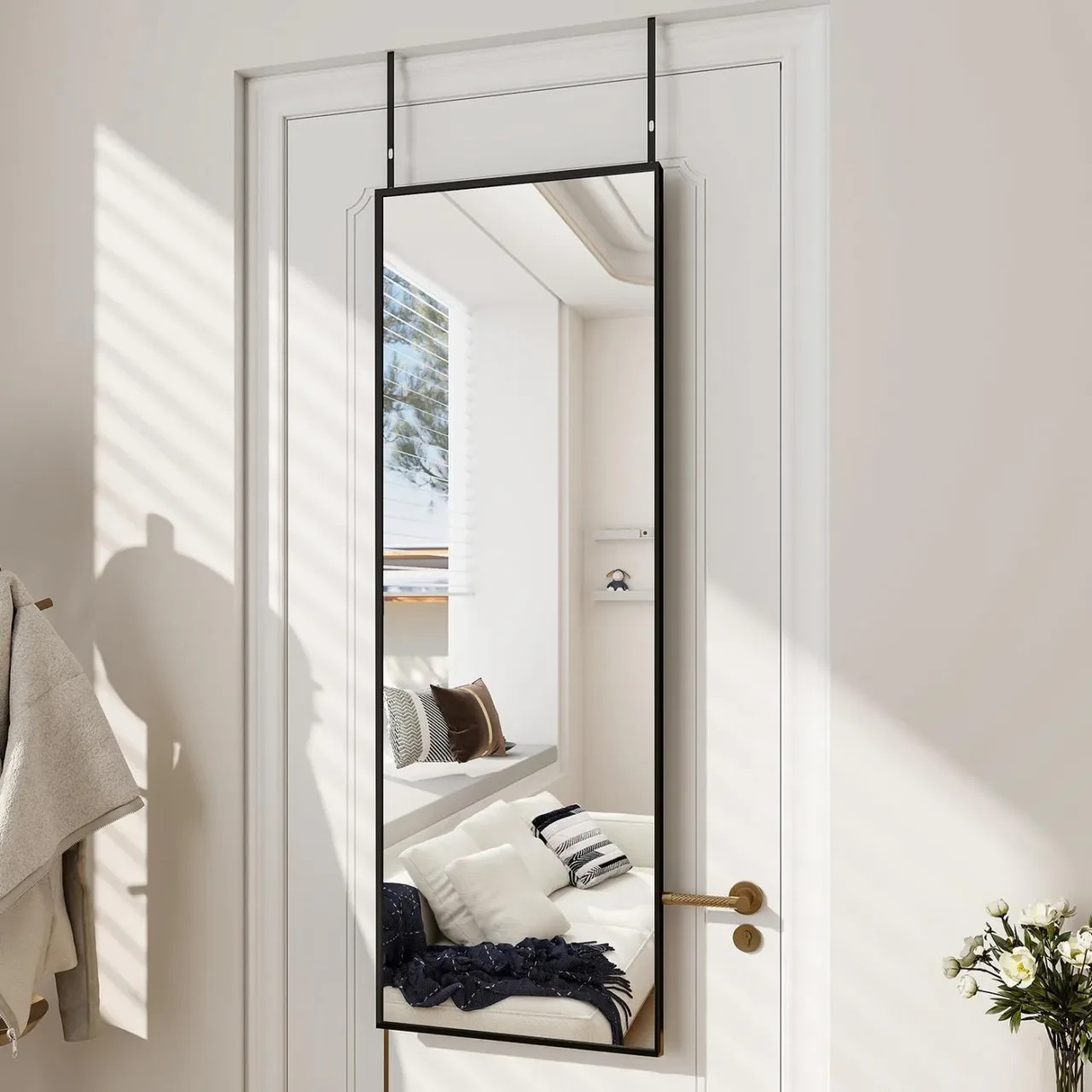
A tall, slim mirror placed on a narrow side wall creates a vertical line that draws the eye upward, adding height to the room. Choose a simple frame in brushed brass or leave it frameless for a clean look, then use picture‑hanging hooks that can support the weight. The mirror reflects light from any window, brightening the space, but be sure the wall can hold the mirror’s weight to avoid damage.
Measure the wall first, then center the mirror so it sits at eye level when you stand. Use a level to keep the frame straight, and secure the hooks into studs for safety. If the wall is painted a dark color, the mirror will help balance the depth, yet dark frames can make cleaning the glass harder.
2. Install a mirrored backsplash in a small kitchen

A mirrored backsplash behind the stove or sink reflects both natural and artificial light, making a compact kitchen feel wider. Pick a stainless‑steel or glass tile with a mirror finish, then apply it with thin‑set mortar just like a regular backsplash. The reflective surface spreads light, but it can show fingerprints and splatters, requiring frequent wiping.
Start by measuring the area and cutting the tiles to fit around outlets. Use a clear silicone sealant at the edges to prevent water seepage. If you prefer a low‑maintenance option, choose a matte‑finish mirror tile, though it won’t reflect as much light.
3. Group decorative mirrors above a console table

Three or four small decorative mirrors arranged in a row above a narrow console create a gallery effect that adds visual interest without using floor space. Pick mirrors with varied shapes—round, oval, or square—and simple frames in wood or metal to keep the look cohesive. The group can make the wall feel fuller, yet too many mirrors may overwhelm a very small wall.
Lay the mirrors on the floor first to find a spacing you like, then mark the nail points. Use small picture hooks to hang each piece at the same height. If the console sits in a high‑traffic area, choose frames that are easy to dust, because decorative frames can collect dust quickly.
4. Place a mirror opposite a window

When a mirror sits directly across from a window, it bounces natural light back into the room, brightening corners that would otherwise stay dim. Choose a medium‑size rectangular mirror and hang it at a height where it can catch the window’s light without glare. This setup works well in living rooms, but if the window faces a noisy street, the mirror will also reflect sound, making the room louder.
Measure the distance between the window and the wall, then position the mirror so the center aligns with the window’s center. Use wall anchors if the wall is drywall. If the room already feels too bright, opt for a mirror with a slightly tinted glass to soften the reflection.
5. Tilt a wall mirror in a hallway
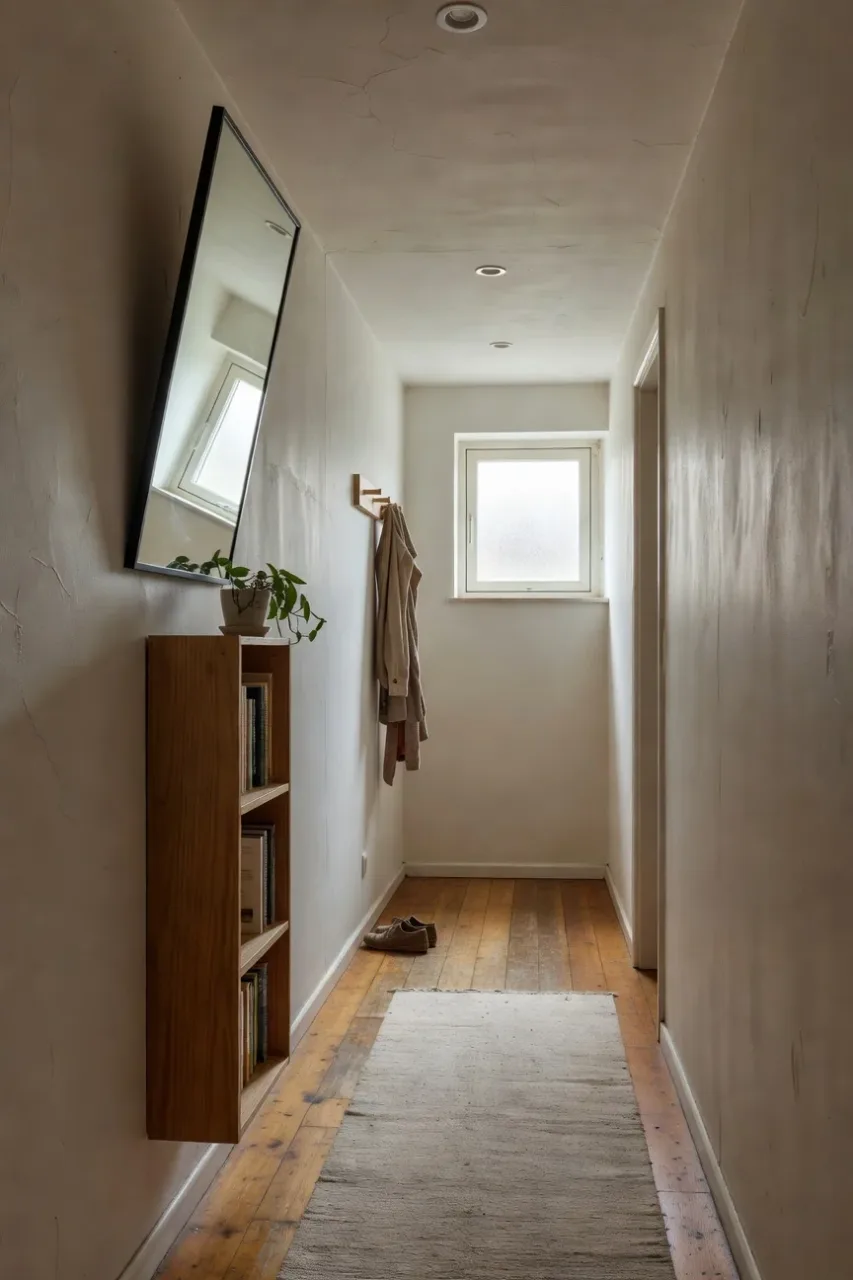
A slightly angled mirror in a narrow hallway can create the illusion of a longer passage while letting you check your look on the go. Mount the mirror on a swivel bracket so you can adjust the angle for the best view. The tilt adds depth, yet a mirror that sticks out too far can become a safety hazard in a tight hallway.
Choose a mirror no larger than the hallway’s width and install the bracket at waist height for easy access. Secure the bracket with screws into studs for stability. If you have children, consider a low‑profile frame to reduce the chance of bumps.
6. Use a mirror with a built‑in shelf for storage
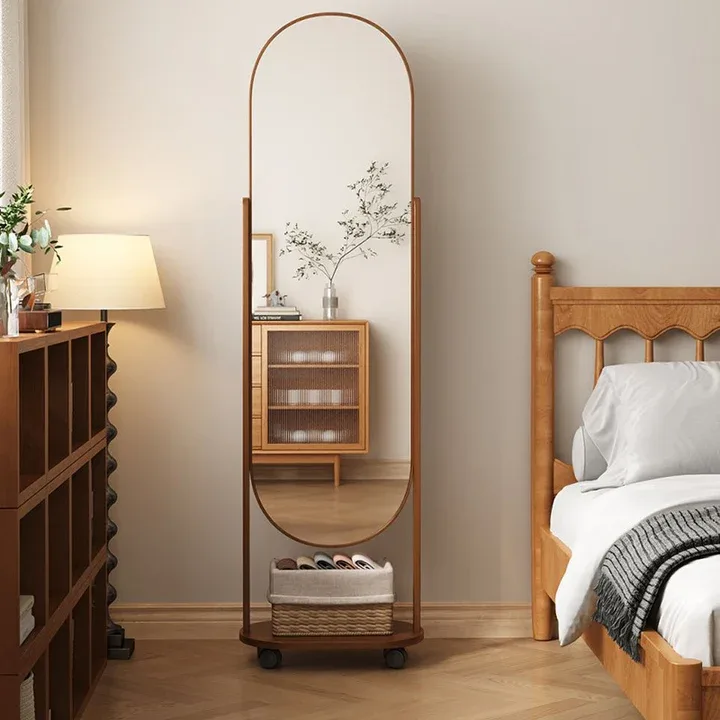
A mirror that includes a shallow shelf offers a place to display a vase or a few books while still reflecting light. Look for a design where the shelf sits just below the mirror’s surface, often in wood or metal. The added storage is handy, but the shelf can collect dust, requiring regular cleaning.
Mount the unit on a wall that receives indirect light, so the mirror still brightens the room without glare. Use a level to keep the shelf even, and anchor it firmly to avoid wobbling. If you prefer a cleaner look, choose a shelf with a smooth finish that wipes easily.
7. Hang a circular mirror above a bathroom sink
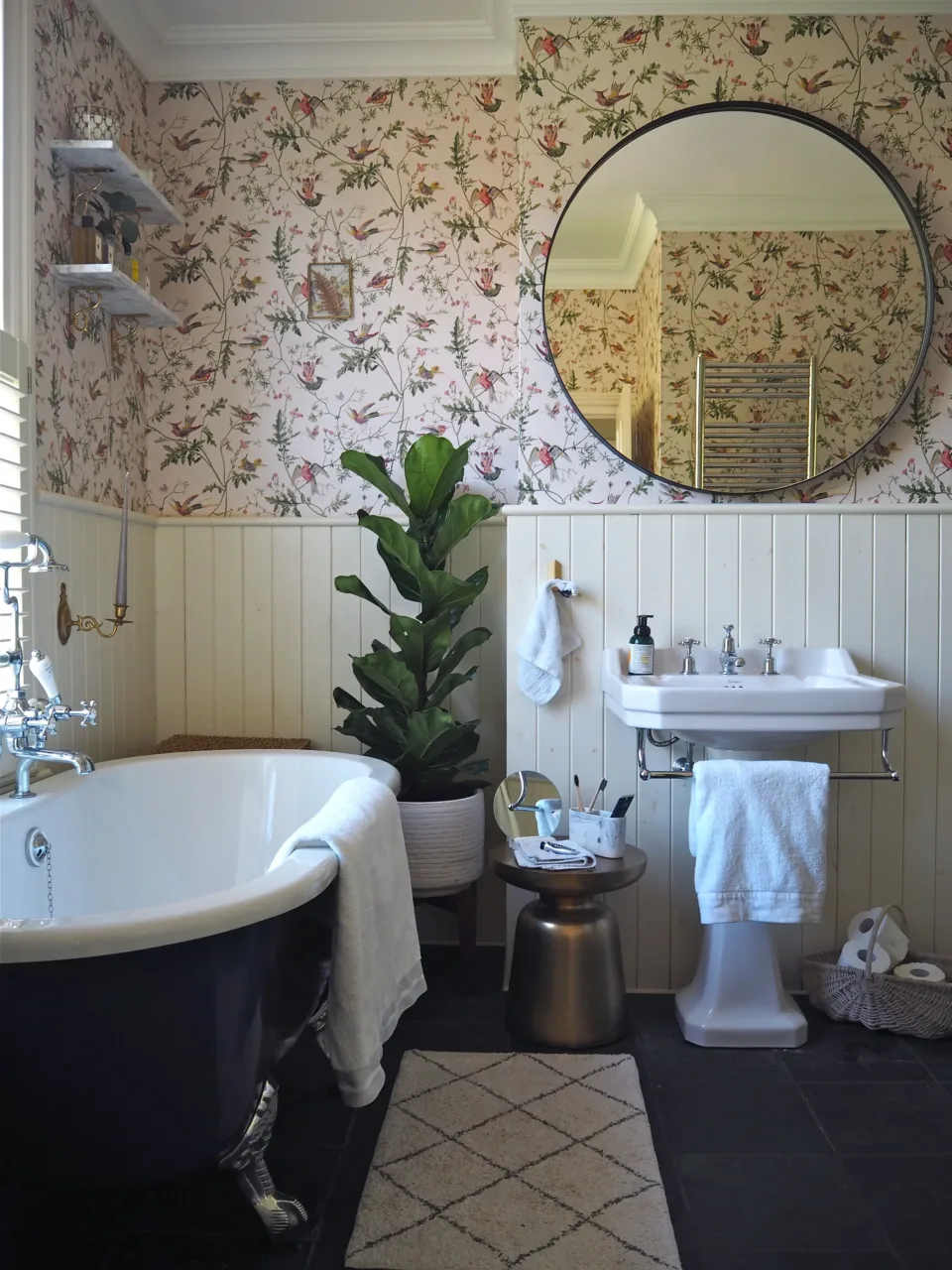
A round mirror centered above a small sink adds a soft shape that balances the angular lines of cabinets and tiles. Choose a frame in a light wood or matte black to match the bathroom’s palette. The circle draws attention upward, yet a very large round mirror can dominate a tiny bathroom.
Measure the distance from the sink rim to the ceiling, then place the mirror so the bottom sits about six inches above the countertop. Use waterproof mounting hardware to prevent rust. If space is limited, a mirror with a slim profile will keep the area feeling open.
8. Swap solid closet doors for mirrored doors

Mirrored closet doors reflect the room’s contents, making a bedroom feel more spacious without adding any extra furniture. Choose doors with a simple clear mirror or a subtle etched pattern for privacy. The mirrors add depth, but they can show fingerprints from daily use.
Measure the existing door frame and order mirrored panels that fit exactly, then install with the same hinges. Use a gentle glass cleaner to keep the surface clear. If you need more privacy, select a frosted mirror that still reflects light.
9. Add a floor‑standing leaning mirror in the living room

A tall, leaning mirror placed against a wall adds height without needing to drill holes, perfect for renters. Pick a mirror with a slim wooden or metal frame that leans at a gentle angle. It opens up the room, yet the base can take up floor space in a very small living area.
Position the mirror so the bottom rests a few inches from the floor and the top reaches near the ceiling. Adjust the angle until it reflects a favorite view or a window. If you have pets, choose a sturdy base to prevent tipping.
10. Create a mirrored tile accent wall in a dining area

Covering one wall with small mirrored tiles adds sparkle and makes a compact dining nook feel larger. Use 2‑inch square tiles set in a simple grid for a uniform look. The shine can be eye‑catching, but it may also create glare when lights are on.
Lay out the tiles on the floor first to plan the pattern, then apply thin‑set mortar to the wall. Use a clear grout for a seamless finish. If glare is an issue, install a sheer curtain to soften the light.
11. Place a mirror behind the TV for added depth
Mounting a thin mirror on the wall behind a flat‑screen TV reflects the room’s colors, giving the TV area a deeper feel. Choose a mirror with a low‑profile frame that won’t interfere with the screen. The mirror can enhance the visual space, yet a very glossy surface may cause unwanted reflections while watching movies.
Measure the TV’s dimensions and cut the mirror to fit, leaving a small border for ventilation. Use sturdy wall anchors to support the combined weight of the TV and mirror. If you prefer a softer look, pick a mirror with a brushed metal edge that diffuses reflections.
12. Add a small pocket mirror in a bedroom nook
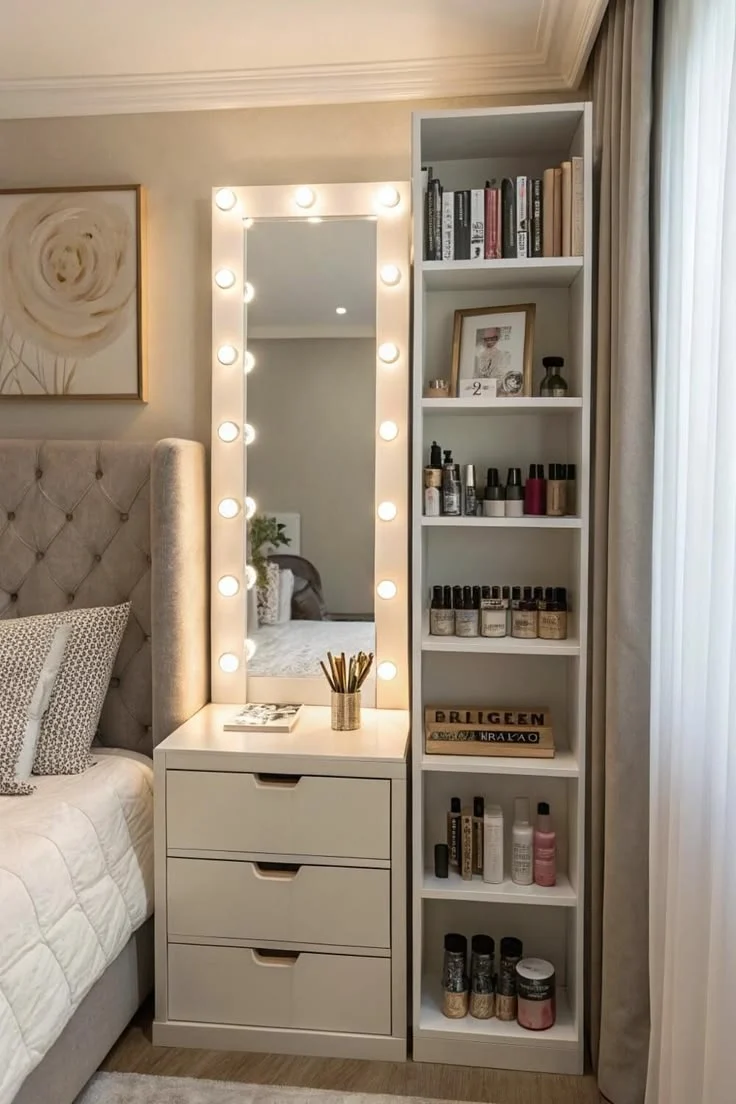
A petite, handheld‑style mirror placed on a bedside shelf gives a quick spot to check your look before heading out. Choose a frame in a warm wood tone that matches other bedroom accents. It adds function without taking much space, yet the small size may limit its usefulness for full‑body checks.
Secure the mirror with a small adhesive strip or a tiny hook that won’t damage the wall. Keep a soft cloth nearby for quick cleaning. If you need a larger view, consider a slightly taller mirror that still fits the nook.
13. Install a mirror with LED backlight for a night light
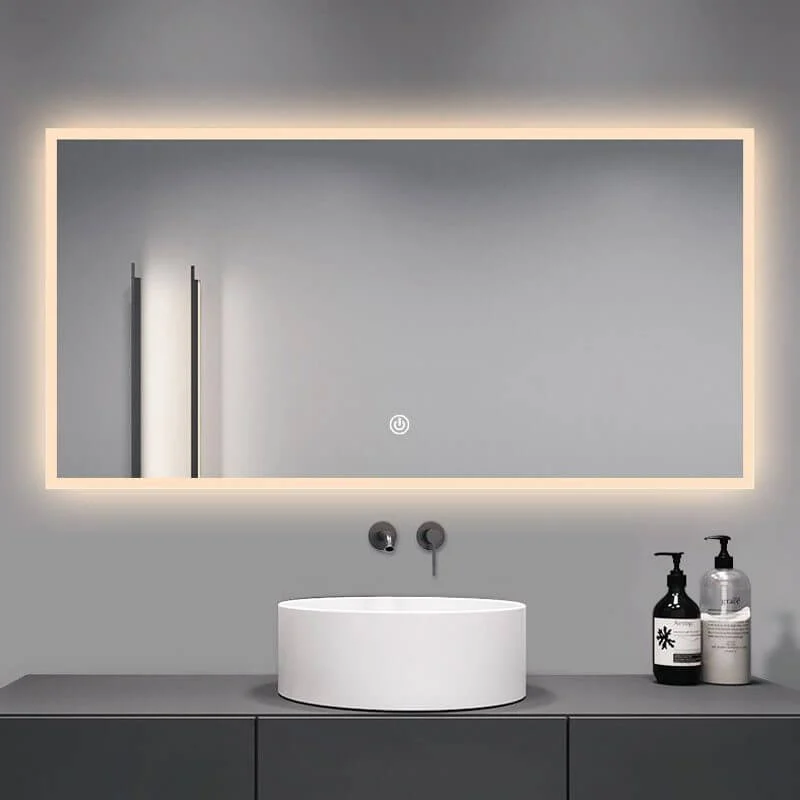
A mirror that glows from behind provides gentle illumination for late‑night bathroom trips, reducing the need for bright ceiling lights. Look for a model with dimmable LEDs and a simple frame in brushed nickel. The soft light is soothing, but the electronics add a modest cost compared to a regular mirror.
Mount the mirror at eye level near the vanity, then plug the LED strip into a nearby outlet. Use the dimmer to set a low level that won’t disturb sleep. If you rent, choose a mirror with a removable backing so you can take it with you.
14. Use a vintage framed mirror as an art piece

An aged, ornate frame around a mirror can serve as a decorative focal point, adding character to a small entryway. Pick a frame in distressed gold or weathered wood that complements your existing décor. The style adds charm, yet the heavy frame may be difficult to hang on drywall without proper anchors.
Find the center point of the wall, then use a stud finder to locate a secure spot for the hanging hardware. Attach two sturdy picture hooks to distribute the weight evenly. If you need a lighter option, opt for a faux‑antique frame made from lightweight materials.
How do I choose the right size mirror for a small room?
Pick a mirror that is roughly two‑thirds the width of the wall you plan to cover. A larger mirror reflects more light, making the room feel bigger, but it should not dominate the wall or block windows.
Can mirrors make a dark room feel brighter?
Yes, mirrors bounce natural and artificial light, adding brightness without extra bulbs. Place them opposite a window or lamp for the best effect, but avoid placing them directly in front of harsh sunlight that could cause glare.
Are there any safety concerns with hanging mirrors?
Always use wall anchors or studs to secure heavier mirrors and follow the manufacturer’s instructions. If you have children or pets, choose a mirror with rounded edges or a low‑profile frame to reduce injury risk.
How often should I clean mirrors in a high‑traffic area?
Wipe them with a soft microfiber cloth and a mild glass cleaner once a week to keep fingerprints at bay. In kitchens or bathrooms, you may need to clean them more often because steam and splatters settle quickly.
Is it okay to use a mirror in a rental apartment?
Yes, as long as you use removable hanging strips or small hooks that won’t damage the wall. Choose lightweight mirrors or those with a simple frame to make moving out easier.


Leave a Reply