
Looking for a way to freshen your kitchen without breaking a lease? You can add style with removable backsplashes that leave no marks. The ideas below use stickers, panels, and simple tricks that any renter can try. Choose the one that fits your budget, taste, and cooking habits.
All of the options can be taken down when you move out. Most need only a clean wall, a utility knife, and a little patience. Follow the short steps in each section and you’ll have a new look in a weekend. Let’s explore the possibilities.
1. Peel‑and‑Stick Subway Tile Sheets

Peel‑and‑stick subway tile sheets give the look of classic white tiles without grout. Each sheet is a thin, matte vinyl that you can cut to fit the wall. The sheets stick directly to a clean, smooth surface using a strong adhesive backing. You can line them up under the countertop or above the stove for a tidy finish.
The main downside is that the vinyl is not heat‑proof, so keep pans away. If the kitchen gets hot, the adhesive may soften and lift. Cleaning is easy with a damp cloth, but avoid abrasive scrubbers. When you move out, pull the sheets off slowly to leave the paint intact.
2. Removable Wallpaper with Tile Pattern
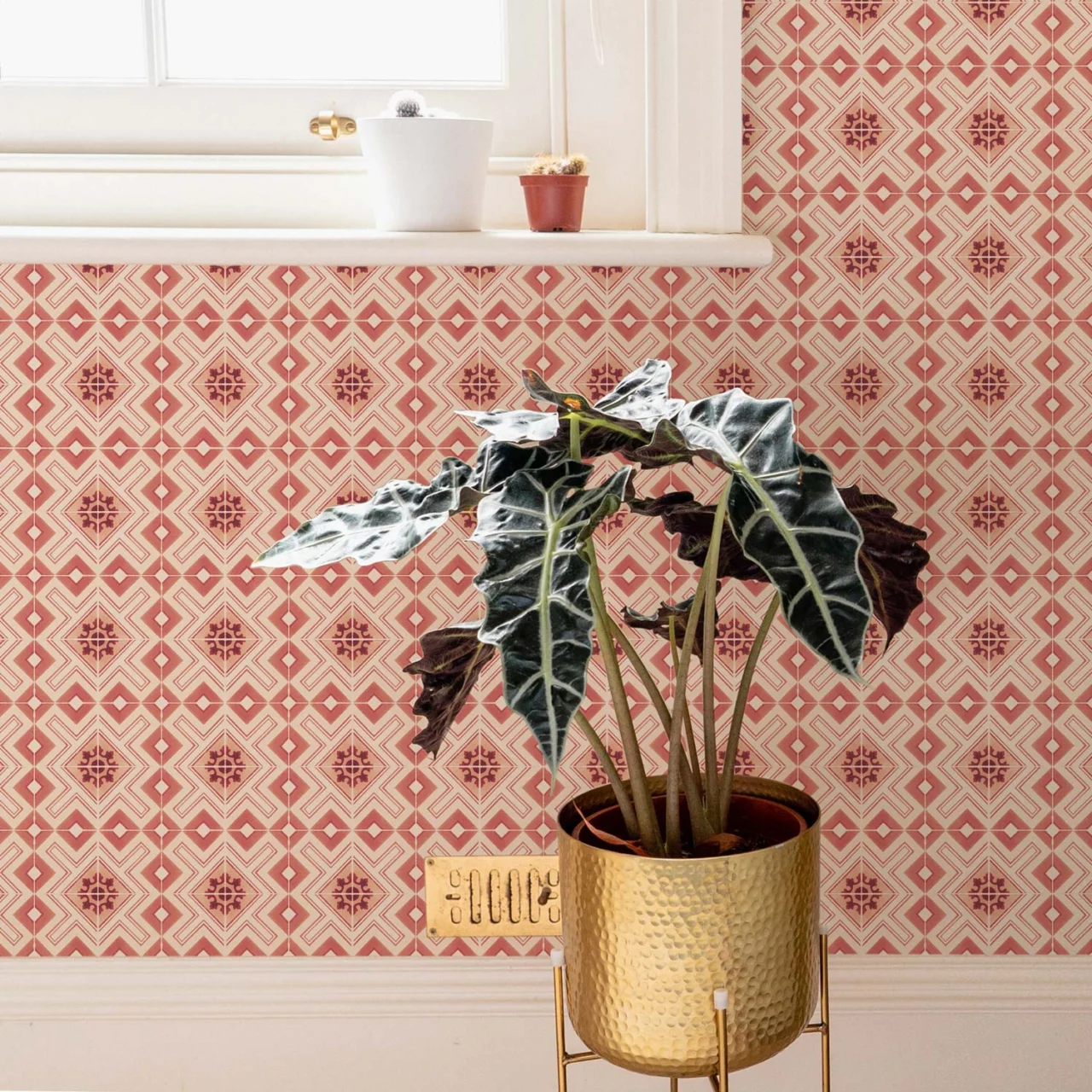
A removable wallpaper that mimics tile can turn a plain wall into a stylish backdrop. Choose a pattern that matches the size of subway or hex tiles for realism. The paper has a peel‑back backing that sticks to smooth surfaces without nails. Apply it in strips, smooth out bubbles, and trim the excess with a utility knife.
Wallpaper can trap moisture, so it is not ideal behind a sink. If steam reaches the wall, the paper may peel or stain. Wipe it with a soft, damp cloth and avoid harsh chemicals. When you leave, you can peel it off in one piece, leaving the paint untouched.
3. Magnetic Tile Backsplash
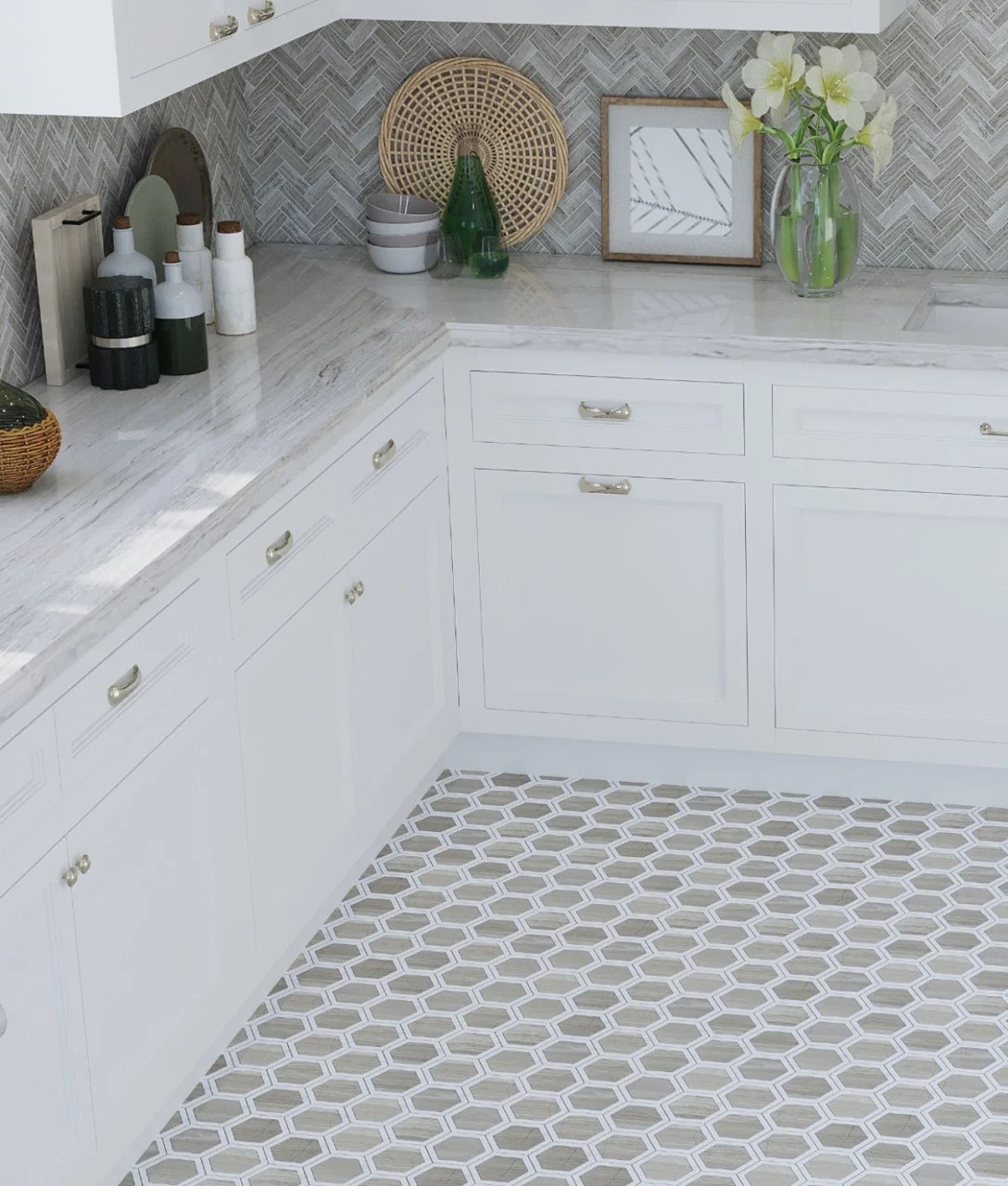
Magnetic tiles let you create a metal surface that holds magnets and small tools. The tiles are thin steel squares with a painted finish that looks like real tile. You attach them to the wall using strong magnetic strips that cling to metal studs or a metal sheet. Arrange them in a grid, then place spice jars or notes on the surface.
The magnetic system needs a metal base, which may require a thin metal sheet you can hang with removable hooks. If you cannot attach a sheet, the tiles will not stay flat. The metal can get smudged, so wipe it with a soft cloth regularly. When you move, you can take the metal sheet off the wall and leave no marks.
4. Self‑Adhesive Glass Panels
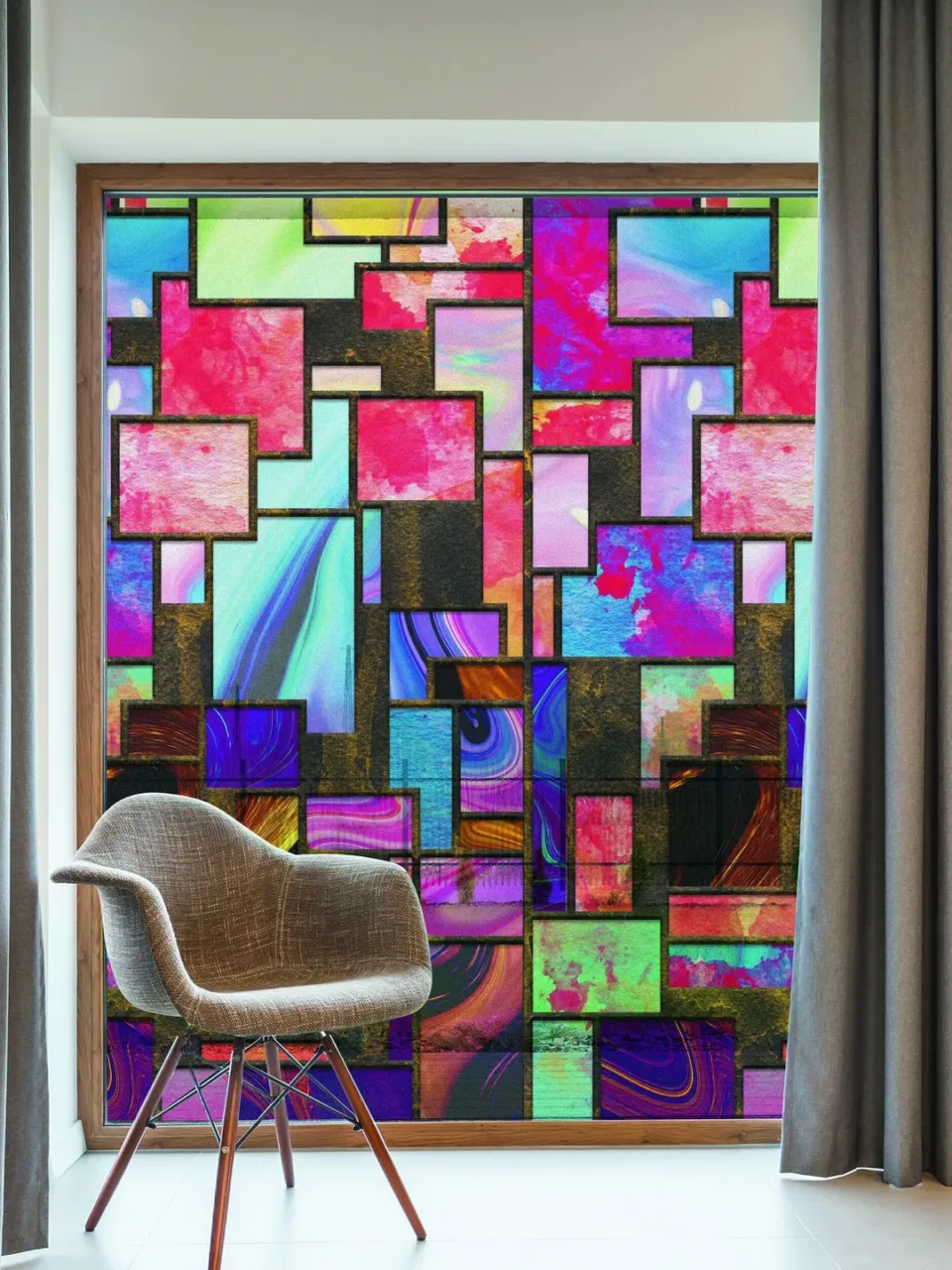
Clear or frosted self‑adhesive glass panels add a sleek look without tiles. The panels are lightweight sheets that stick to a clean wall with a pressure‑sensitive backing. You can cut them to size with a utility knife and smooth out air bubbles with a squeegee. The glass reflects light, making a small kitchen feel brighter.
Glass panels can be slippery, so be careful when cleaning near the stove. If a panel cracks, you will need to replace it whole. Use a mild cleaner and a soft cloth to avoid scratches. When you leave, the adhesive may leave a faint residue that a citrus cleaner can remove.
5. Chalkboard Paint on a Board

Mount a thin plywood board and cover it with chalkboard paint for a functional backsplash. The board can be hung with removable picture hooks that don’t damage paint. Once the paint dries, you can write recipes, grocery lists, or doodles directly on the surface. The dark surface adds contrast to light cabinets.
Chalk dust can settle on nearby surfaces, so keep a small brush handy. The board is not water‑proof, so wipe spills quickly to avoid staining. The paint may chip if you scrub hard, so use a gentle eraser. When you move, simply unhook the board and leave the wall clean.
6. Tile Decal Stickers

Tile decal stickers are small vinyl pieces that look like individual tiles. You can arrange them in a pattern that mimics a real backsplash. Each piece has a peel‑back backing that sticks to smooth walls without glue. The stickers are easy to replace if one gets damaged.
The decals are not as durable as real tile, so they may peel in a humid area. If steam from the stove reaches them, edges can lift. Clean them with a damp cloth, but avoid soaking. When you leave, pull the stickers off gently; most will come off without leaving marks.
7. Fabric‑Backed Canvas Panels

Cover a canvas panel with a fabric that matches your kitchen colors for a soft backsplash. The canvas can be hung with command strips that hold firmly but remove cleanly. Choose a fabric that is tightly woven and easy to wipe, like linen or cotton. The panel adds texture without the hardness of tile.
Fabric can absorb oil splatters, so spot‑clean quickly with a mild soap. If the kitchen gets very hot, the adhesive on the strip may weaken. Avoid hanging heavy pots on the panel, as the fabric could stretch. When you move, the strip comes off without damaging paint.
8. Vinyl Contact Paper with Marble Look

Vinyl contact paper that mimics marble gives a luxe feel without the cost. The paper has a glossy finish that reflects light and hides minor scratches. Cut it to fit the area above the sink and stick it on a clean surface. Use a ruler and a smoothing tool to avoid bubbles.
Contact paper can peel when exposed to steam, so keep it away from the dishwasher edge. The glossy surface shows water spots, so wipe it dry after cooking. It is not heat‑resistant, so never place a hot pan directly on it. When you move, peel it off slowly; any leftover adhesive can be removed with an oil‑based remover.
9. Snap‑Fit Faux Brick Panels

Faux brick panels that snap together create a rustic look without mortar. Each panel has a tongue‑and‑groove edge that locks with its neighbor. You can hang the assembled panel with removable brackets that grip the wall lightly. The brick texture adds visual interest and hides minor wall imperfections.
The panels are heavier than vinyl, so be sure the brackets are rated for the weight. If you place a pot holder directly on the brick, it may leave a dark mark. Clean the surface with a dry cloth; avoid water that can seep into the seams. When you move, unsnap the panels and take the brackets off without leaving holes.
10. Reclaimed Wood Plank Panels

Thin reclaimed wood planks give a warm, natural feel to a kitchen wall. The planks can be glued to a backer board that hangs with command strips. Stain or paint the wood before installation for a uniform look. The grain adds depth and works well with copper or brass hardware.
Wood can warp if it gets too much moisture, so avoid placing it right behind the sink. Spills should be wiped quickly to prevent staining. The wood may show scratches over time, which is part of its charm but not ideal for a spotless look. When you leave, the backer board can be removed, leaving the wall paint intact.
11. Mirror Tile Backsplash
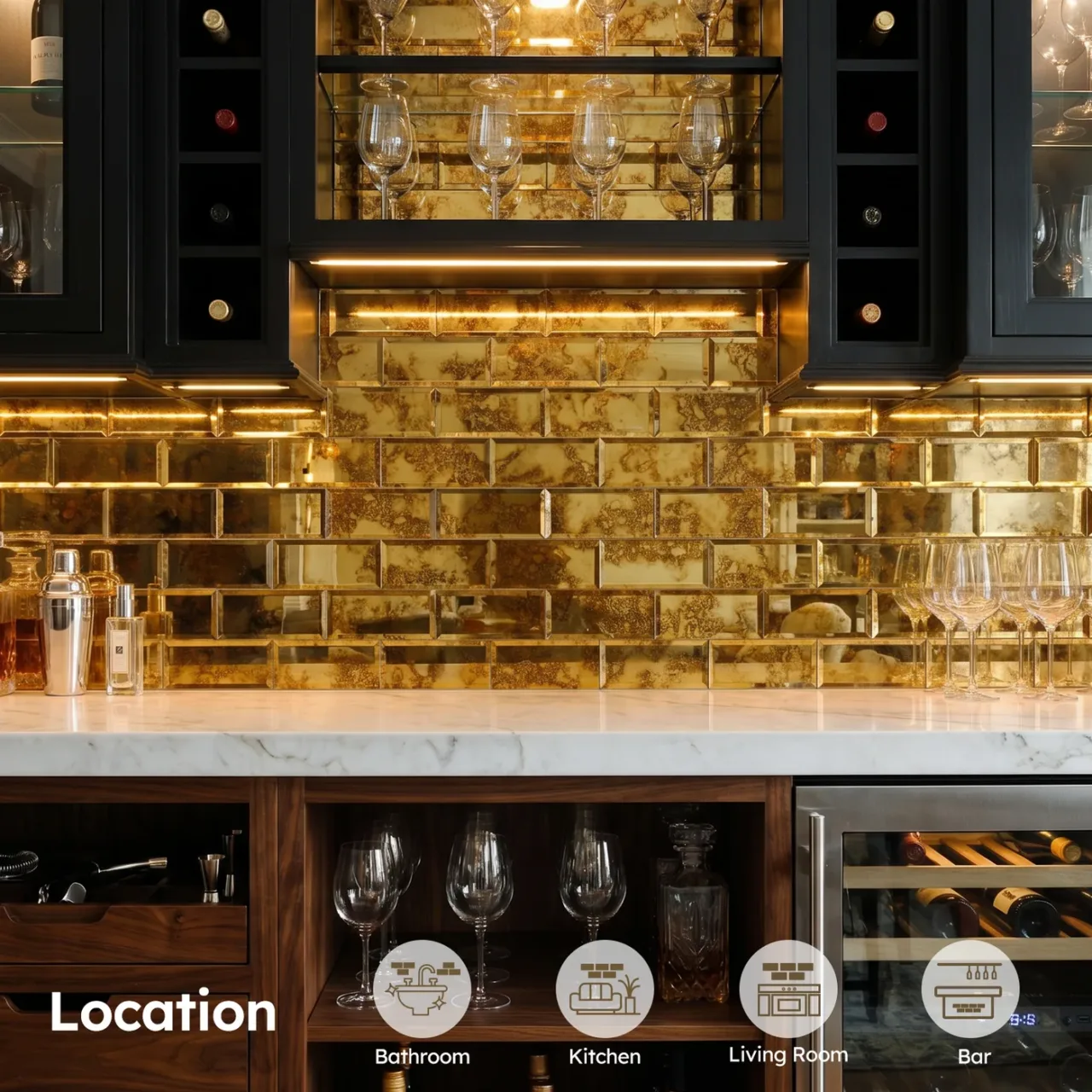
Small mirror tiles can be stuck to a wall with removable adhesive squares. The reflective surface brightens a dark kitchen and adds a sense of space. Arrange the tiles in a simple grid for a clean, modern look. The adhesive squares hold the tiles securely but release cleanly.
Mirror tiles can be fragile, so handle them with care during installation. If a tile cracks, you will need to replace the whole piece. Clean the mirrors with a glass cleaner and a soft cloth to avoid streaks. When you move, pull the adhesive squares off; any residue can be rubbed away with a gentle cleanser.
12. Beadboard Paneling with Clip‑On System
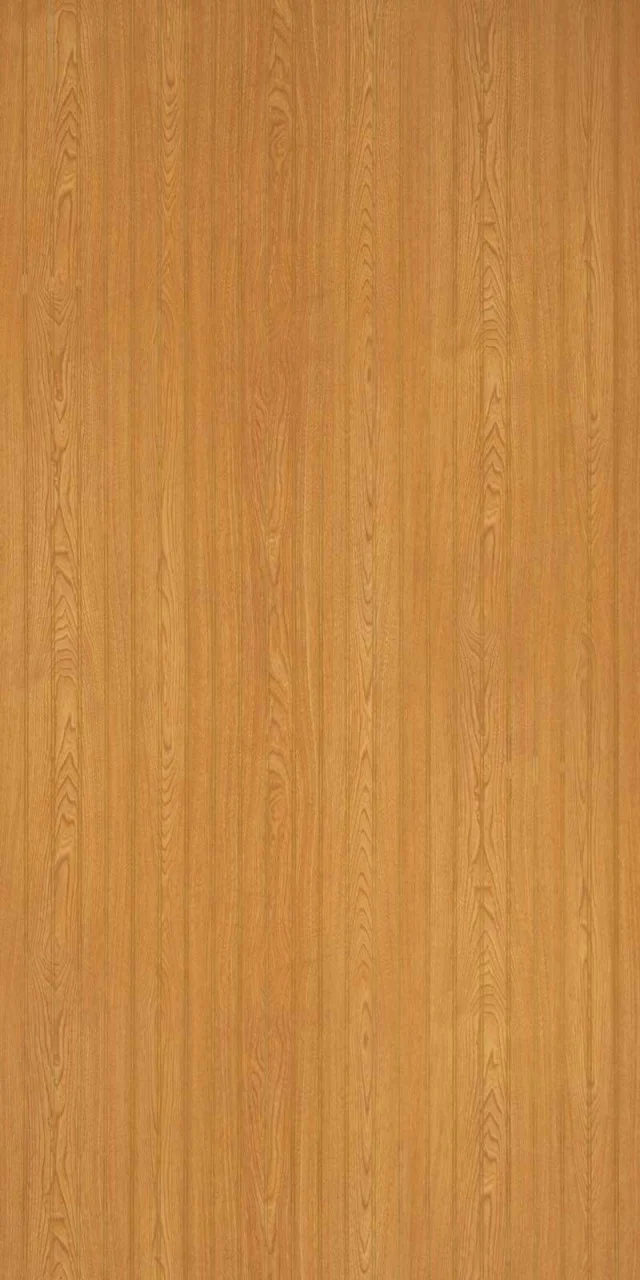
Clip‑on beadboard panels give a cottage feel without nails. The panels have a built‑in clip that snaps onto a thin metal rail you can hang with command hooks. Paint the beadboard in a soft white or pastel for a fresh look. The vertical lines help hide small wall dents.
The metal rail needs a flat surface; if the wall is uneven, the clips may not sit flush. Heavy pots should not be placed on the beadboard, as it could bend the clips. Dust the panels regularly with a feather duster to keep them looking clean. When you move, detach the clips and remove the rail without leaving marks.
13. DIY Mosaic Tile Stickers

Small mosaic stickers let you create a colorful pattern that looks like hand‑laid tile. The stickers come in sets of tiny shapes that you can arrange on a smooth wall. Peel each piece and press it down, overlapping slightly for a seamless look. The mosaic adds a pop of color without grout lines.
The tiny pieces can lift if exposed to steam, so keep them away from the stovetop edge. If a sticker peels, you can re‑adhere it with a dab of removable glue. Clean the surface with a damp cloth, but avoid soaking the stickers. When you leave, pull the stickers off gently; most will come away without damaging paint.
14. Temporary Tile Trim Strips
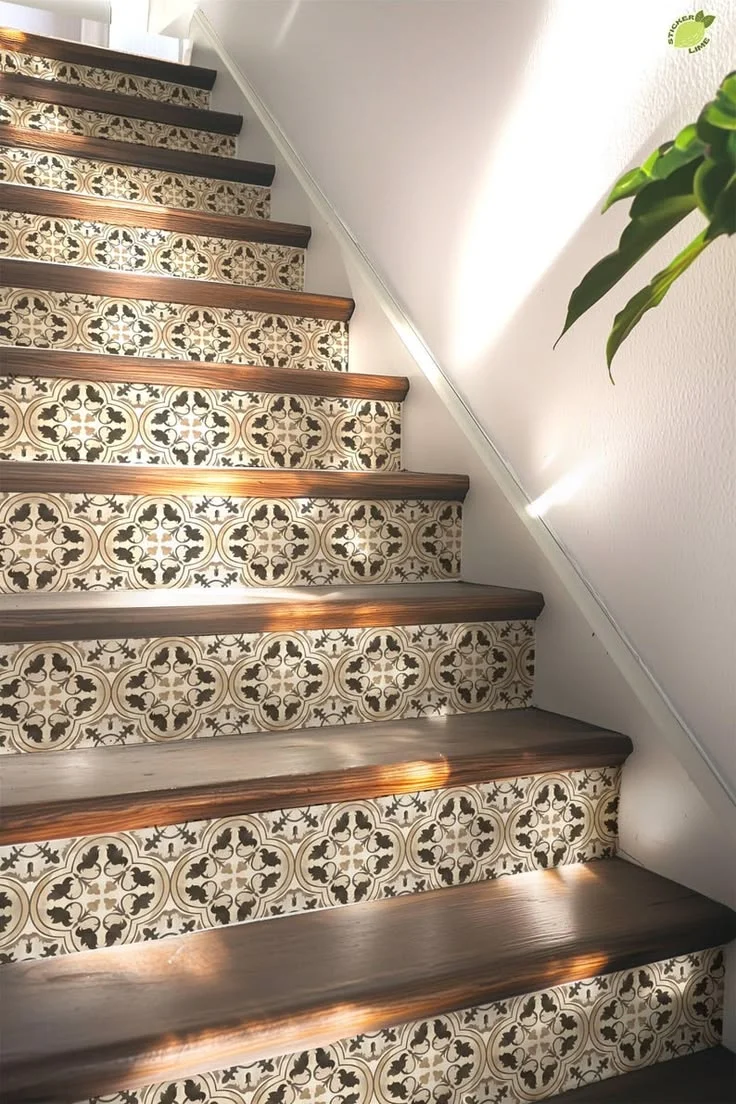
Tile trim strips are thin, decorative edges that you can stick around a countertop. They mimic the look of real tile borders and add a finished feel. The strips have a peel‑back backing that adheres to smooth surfaces. Place them at the top of the backsplash for a crisp line.
The trim is thin, so it can be knocked off by a stray pot or pan. If the kitchen gets hot, the adhesive may soften and the strip could shift. Wipe the trim with a soft cloth; avoid abrasive pads that could scratch the finish. When you move, pull the strips off slowly; the paint should stay clean.
How do I choose the right removable backsplash for a small kitchen?
Pick a light‑colored material that reflects light and doesn’t overwhelm the space. A bright finish makes a tiny kitchen feel larger and more open.
Can I install a backsplash myself without tools?
Yes, most options only need a utility knife and a smoothing tool. Follow the product instructions and work slowly for best results.
Will these renter‑friendly backsplashes hold up near the stove?
Only heat‑resistant choices, like metal or glass, are safe close to the stove. Keep other options a few inches away to avoid adhesive failure.
How do I remove the adhesive without damaging paint?
Use a gentle adhesive remover or a mixture of warm water and mild soap. Test a small spot first, then rub lightly with a soft cloth.
Leave a Reply