

Many kitchens hide a cluttered fridge behind a clean door. Food spills, loose jars, and forgotten leftovers can turn a fresh look into a mess. When the cold box is disordered, it also makes meal prep feel stressful. A tidy fridge helps you see what you have and keeps the kitchen looking neat.
This article shares seven simple ideas you can try in any kitchen. Each tip focuses on a small change that adds order and a pleasant look. You will learn how to set up zones, add helpful accessories, and keep food fresh longer.
Before you start, empty the fridge and wipe every shelf with a mild cleaner. Check dates and toss anything past its prime. Having a clean slate makes each idea easier to apply.
1. Clear Zones for Different Foods
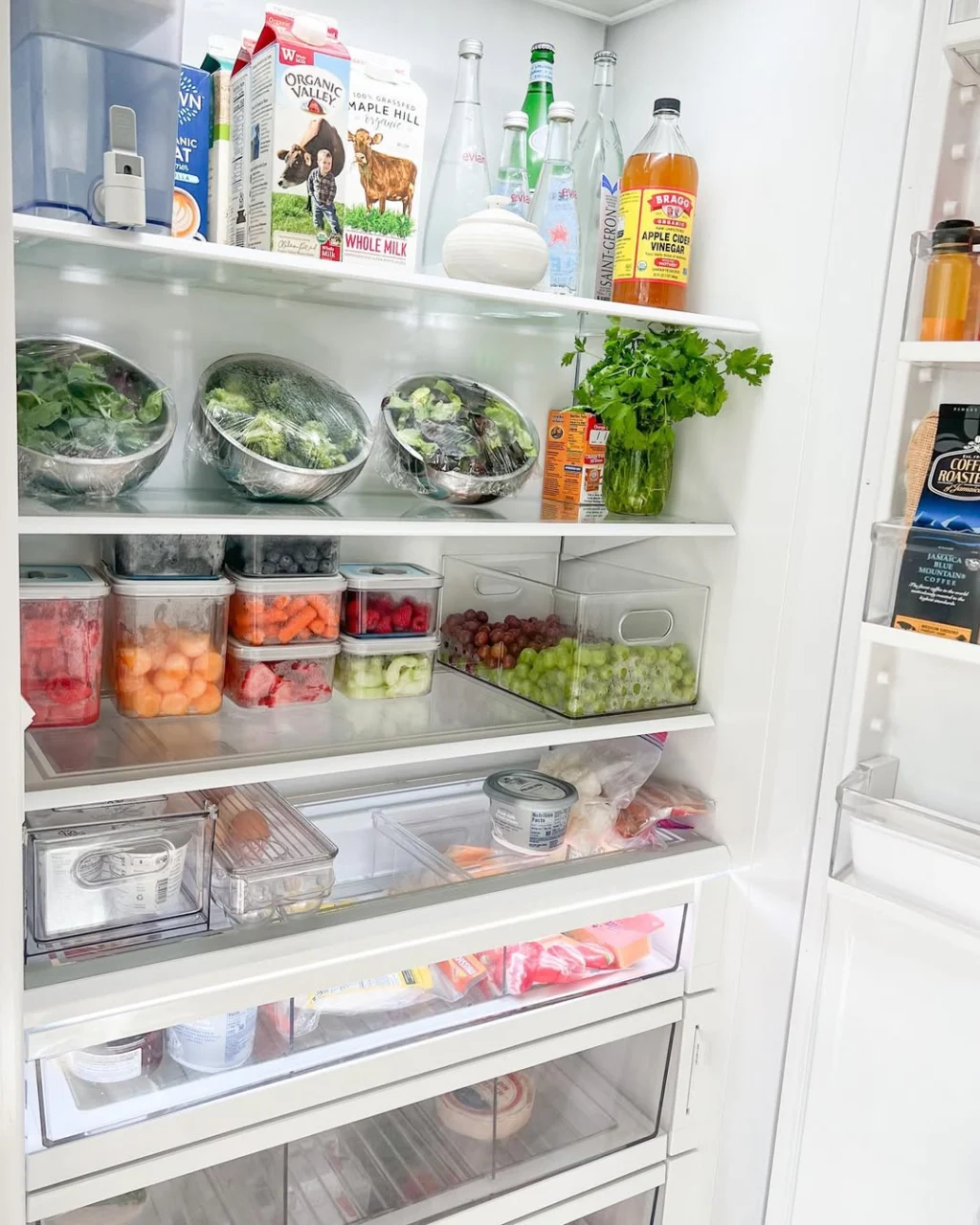
When everything is mixed together, it’s hard to find what you need. Milk, fruit, and leftovers often end up on the same shelf. This leads to spills and forgotten items. A clear layout stops the chaos.
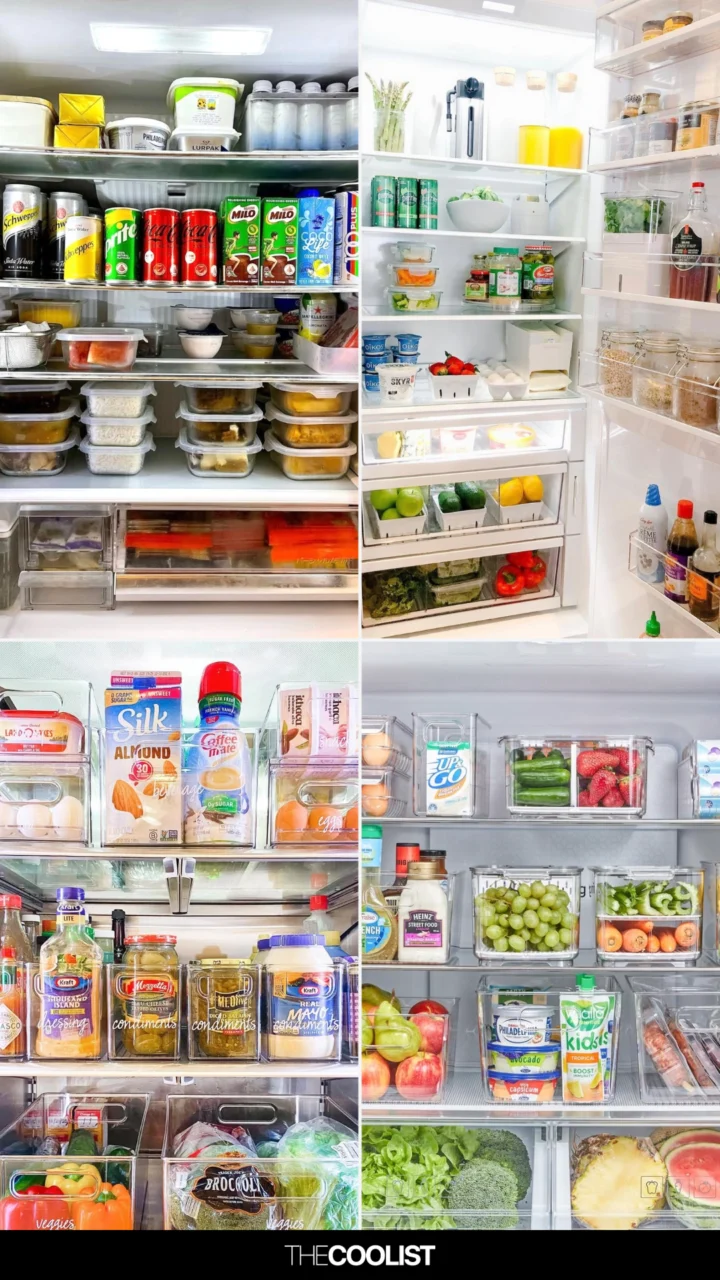
Assign each shelf or drawer to a specific food group. Keep dairy on the top shelf, produce in the crisper, and leftovers in a lower bin. This way you always know where to look. The habit also reduces waste.
Use simple containers in soft pastel shades to mark each zone. Clear acrylic bins let you see the contents while adding a gentle color cue. A thin bamboo divider can separate dairy from snacks. The look stays light and matches most kitchen styles.
The plan works best in a fridge with at least three shelves. Very small units may lack space for distinct zones, so you might need to combine two groups. In that case, keep the most perishable items together.
2. Small‑Item Bins Keep Tiny Jars Visible
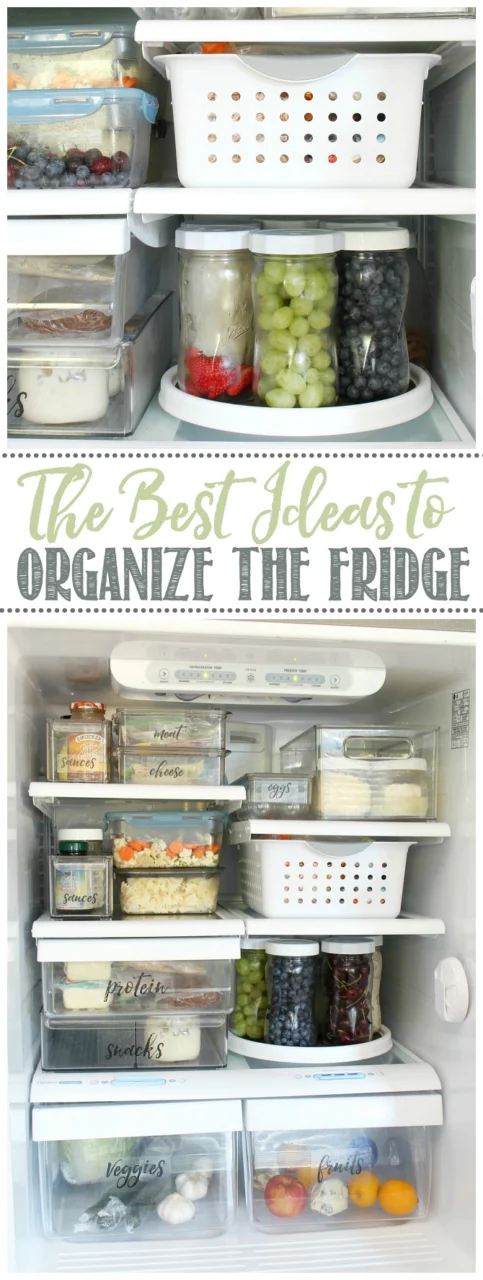
Little spice jars and single‑serve sauces often disappear behind larger containers. You may buy the same spice twice because you can’t find the first one. This adds clutter and extra cost.
Place a shallow, clear bin on a middle shelf for all small items. Group them by type—spices, dressings, and snack packs. The bin holds everything in one place and makes it easy to pull out.
Choose a white or light‑gray acrylic tray with rounded edges. The neutral color blends with most interiors and the clear walls show each bottle. A thin rubber mat at the bottom prevents sliding.
If the bin is too deep, you might have to dig for the items you need. In that case, a shallow basket works better, though it holds fewer things.
3. Add a Lazy Susan for Condiments
Condiment bottles can tip over or hide behind each other on a flat shelf. Finding the right sauce can become a tiny puzzle. This wastes time and sometimes leads to spills.
Install a small lazy‑Susan turntable on the door shelf or a middle level. Spin it to reach any bottle without moving the others. The motion keeps everything tidy and accessible.
Pick a turntable made of brushed wood or matte stainless steel. The natural wood adds warmth, while the metal matches modern appliances. A diameter of about eight inches fits most fridge shelves.
The rotating base can collect crumbs if not cleaned regularly. If you prefer a completely flat surface, a simple shelf liner may be a better fit.
4. Reserve a “First‑In‑First‑Out” Shelf
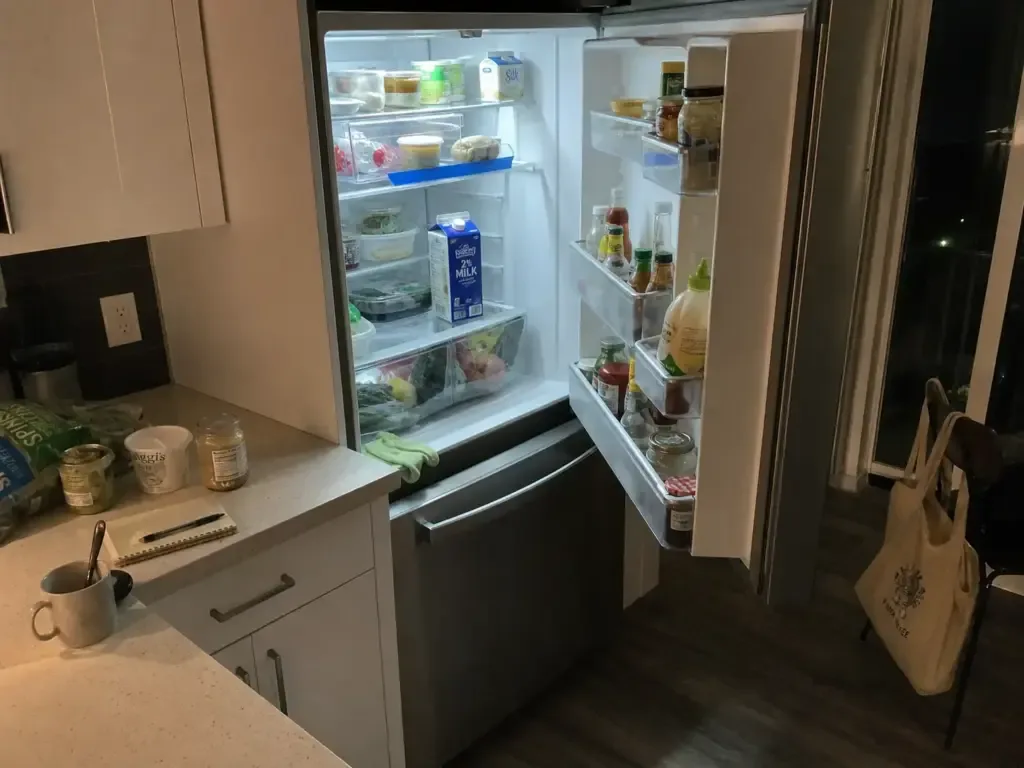
Older food often gets buried under newer purchases, leading to waste. You may toss out cheese that was hidden for weeks. This hidden waste hurts both your wallet and the environment.
Dedicate the top shelf for items that need to be used soon. Place newer groceries behind older ones, so you always take the front items first. This simple rule keeps food fresh longer.
Line the shelf with a light‑gray silicone mat that can be written on with a dry‑erase marker. Jot the date next to each item for quick reference. The mat also protects the shelf from spills.
If you have a very full fridge, the top shelf may feel cramped. In that case, use a small basket on the middle shelf instead, though it reduces space for other foods.
5. Magnetic Strip for Notes and Reminders
Paper notes often slide under the door or get lost in the back of a drawer. Important grocery lists or meal ideas can disappear. This adds extra trips to the store.
Attach a thin magnetic strip to the side of the fridge door. Clip notes, magnets, or a small chalkboard onto it. You’ll see your list each time you open the door.
Choose a strip in brushed brass or matte black to complement the kitchen’s hardware. The metal finish adds a subtle design touch without clashing. A length of about twelve inches covers most door widths.
The strip may attract metal debris if you store loose screws nearby. Keep the area clear of small metal pieces to maintain a clean look.
6. Use a Humidity‑Controlled Drawer for Veggies
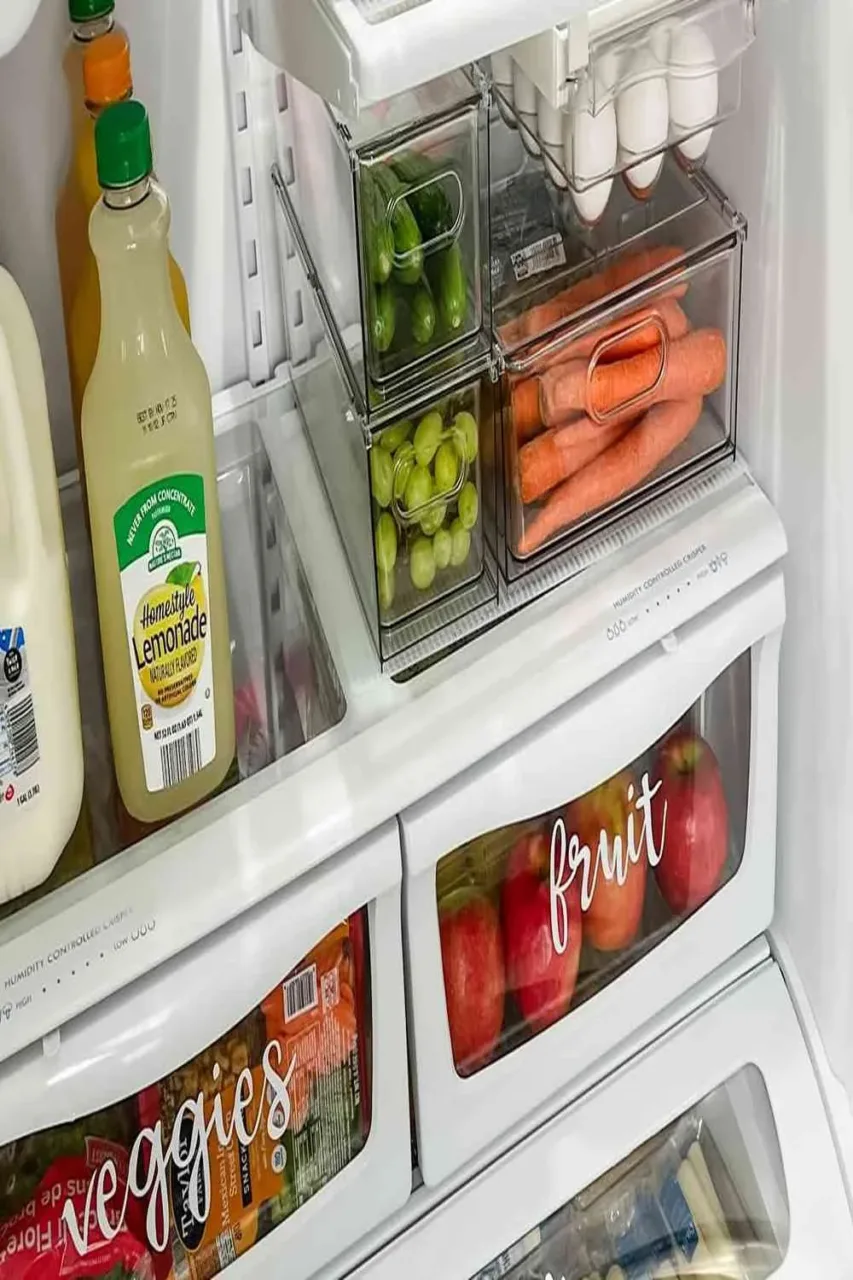
Fresh vegetables lose crispness quickly when stored in a dry environment. Lettuce wilts, and carrots become soft within days. This reduces the appeal of healthy meals.
Set the crisper drawer to a low‑humidity setting for leafy greens and a higher setting for carrots and peppers. The drawer’s built‑in vents help control moisture.
If your fridge lacks separate settings, place a small perforated plastic bin inside the drawer. The holes allow airflow while keeping the veggies protected. A soft green color on the bin adds a fresh visual cue.
Not all fridges have adjustable humidity, so the bin may not work as well in a basic model. In that case, keep vegetables in a separate countertop basket.
7. Eye‑Level “Quick Snack” Bin
Kids often reach for snacks at the bottom of the fridge, making a mess. Items get knocked over and spill onto shelves. This creates extra cleaning work.
Place a small basket at eye level on the middle shelf for grab‑and‑go snacks. Fill it with fruit cups, cheese sticks, or pre‑cut veggies. The height makes it easy for everyone to see and reach.
Select a basket made of natural bamboo with a bright teal handle. The wood adds warmth, while the handle adds a pop of color that fits many décor schemes. The basket’s open weave lets you spot empty spaces quickly.
The basket takes up space that could hold larger containers. If you need that room, consider a narrower bin or a stackable tray instead.
FAQ
How often should I clean my fridge?
Give the fridge a quick wipe every two weeks. A deeper clean with shelves removed should happen every three months.
Can I use plastic bins instead of acrylic?
Yes, sturdy plastic bins work well for most storage needs. They are lighter but may show stains more easily than clear acrylic.
What is the best temperature for a fridge?
Keep the main compartment at 37 °F (3 °C) for safety. Adjust the freezer to 0 °F (‑18 °C) for optimal freezing.
How do I keep my fridge from smelling bad?
Place an open box of baking soda on a shelf to absorb odors. Replace it every three months for best results.
Is it okay to store eggs on the fridge door?
It’s better to keep eggs in the main compartment. The door temperature changes too much when opened.

Leave a Reply