
When your dining space is tiny, simple dining room ideas focus on calm and usefulness. Simple shapes, light colors,
In the sections below you’ll find sixteen ways to shape a small dining area. Each idea shows what to keep, what to let go, and a tiny step you can try today.
1. Light‑Colored Walls and Trim

Soft whites, warm greiges, or pale blues on the walls make the room feel larger. These colors reflect natural light, so even a modest window can brighten the space. Pair the paint with simple trim in the same shade for a seamless look.
If you have darker paint, consider repainting one wall in a light hue. A fresh coat can change the feel in a single afternoon. Today, pick a small sample and test it on a corner of the wall.
2. Narrow Round Table
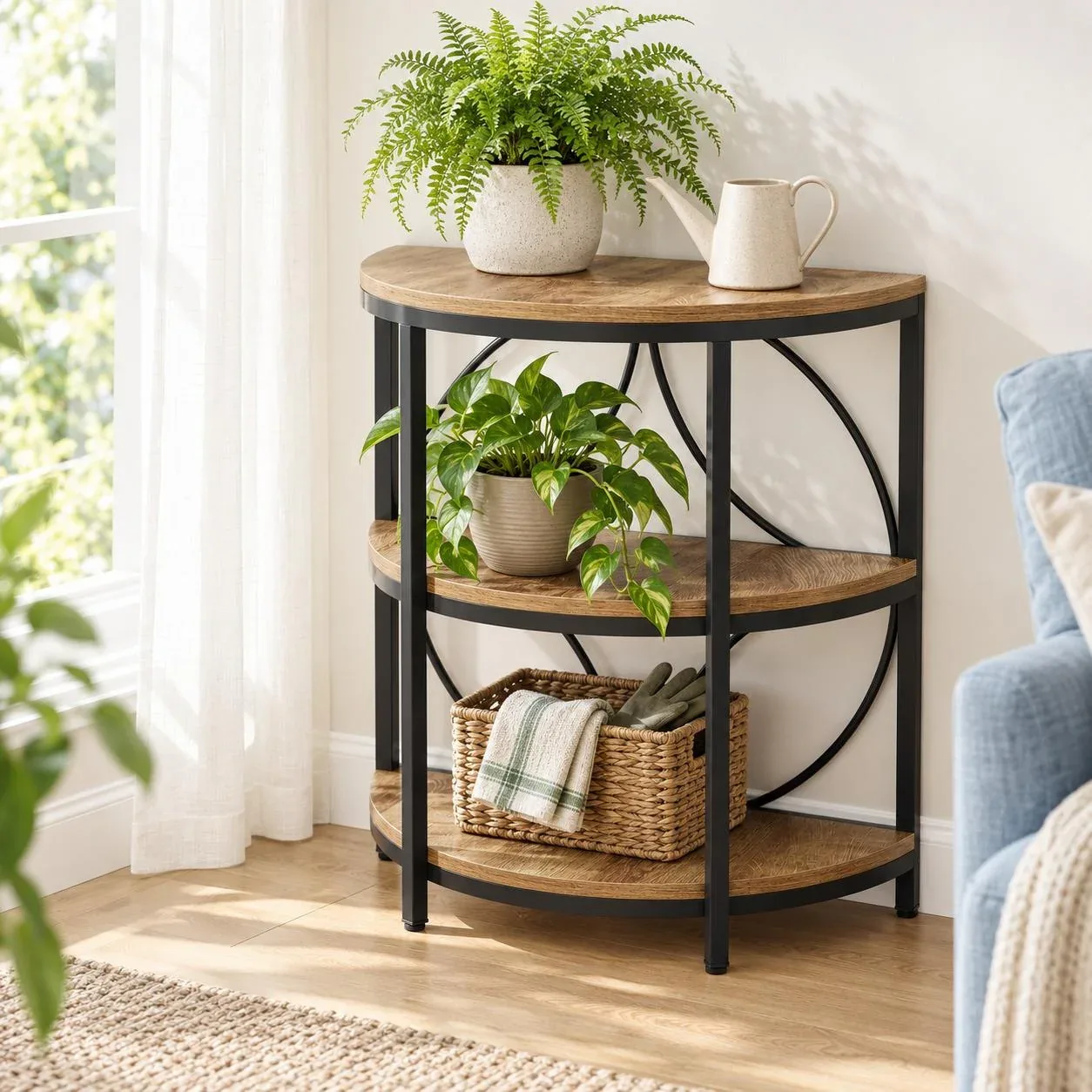
A round table with a diameter of about three feet fits tight corners without blocking traffic. The lack of corners lets chairs slide in and out easily. Choose a table made of light wood or a matte metal to keep the room airy.
Avoid bulky rectangular tables that take up extra length. A large table can make the room feel cramped. Measure your space and buy a table that leaves at least twelve inches of clearance on each side.
3. Built‑In Bench Seating

Placing a low bench along one wall adds seating without needing extra chairs. A bench with a soft cushion in a neutral linen keeps the look relaxed. You can store blankets or placemats underneath the seat.
If the bench feels too solid, add a thin throw pillow for comfort. Too many cushions can make the area look cluttered. Start by placing a single pillow that matches the wall color.
4. Wall‑Mounted Drop‑Leaf Table
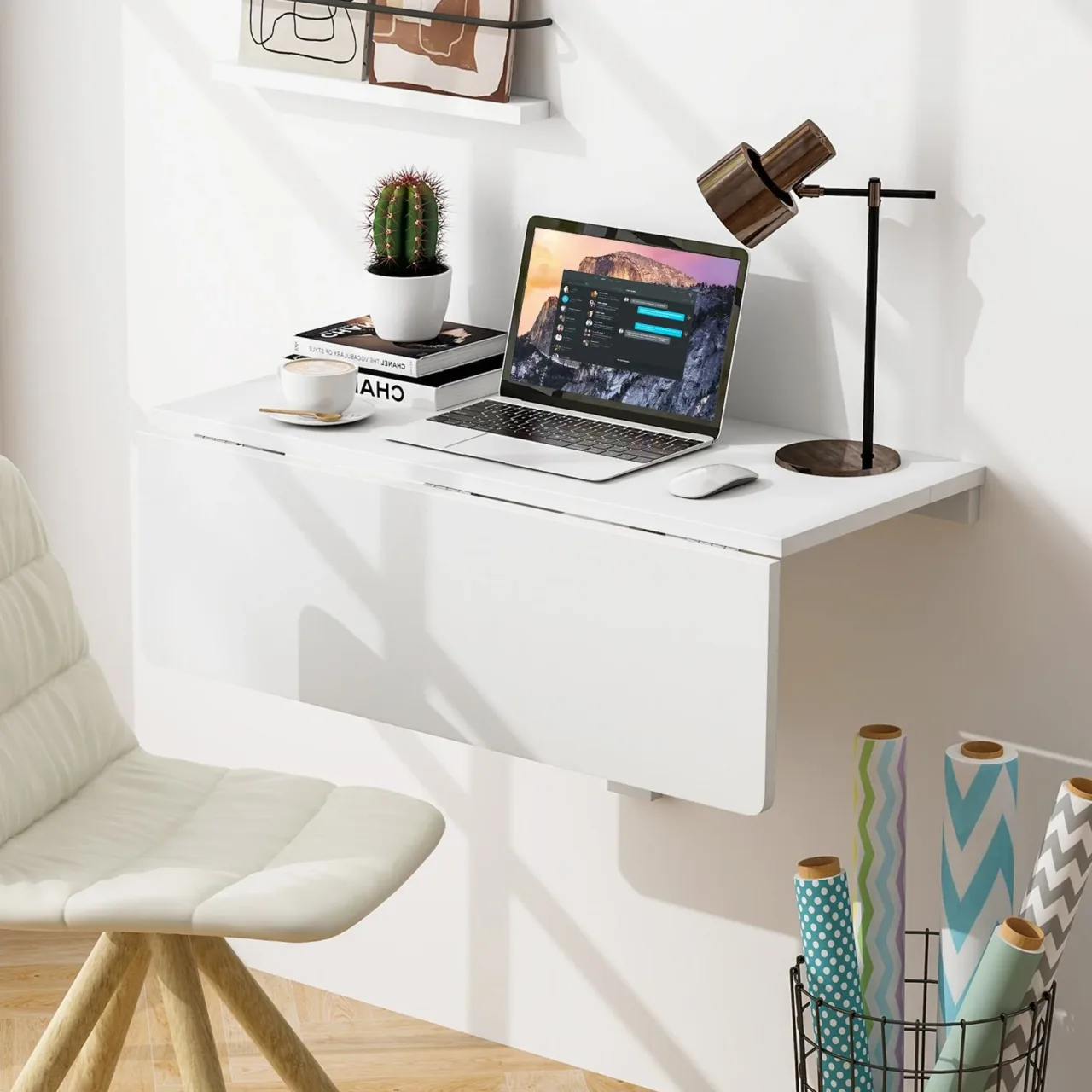
A drop‑leaf table that folds down when not in use frees up floor space for other activities. When you need a table, simply pull the leaf out and lock it in place. A simple pine finish blends well with most décor.
Make sure the wall brackets are strong enough for daily use. Weak hardware can wobble and feel unsafe. Today, check the screws on your existing brackets and tighten any loose ones.
5. Open Shelving Instead of a Hutch
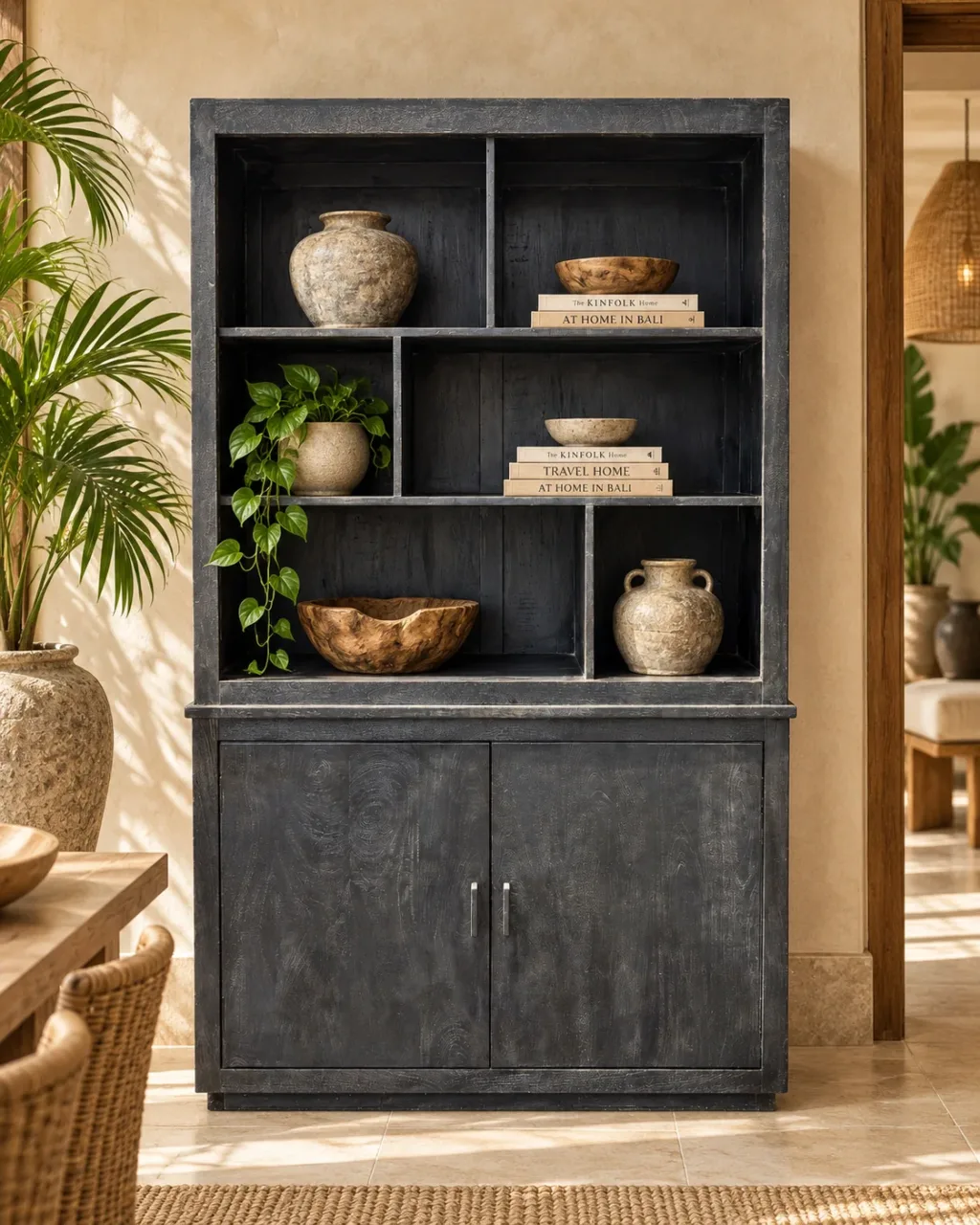
Open shelves keep dishes and glassware visible, which adds a feeling of openness. Wooden slats or metal frames let light pass through, avoiding a heavy look. Use matching baskets on the lower shelf for hidden storage.
If the shelves become too crowded, the room can look messy. Overcrowding defeats the purpose of openness. Take a moment to remove any items you rarely use and store them elsewhere.
6. Simple Pendant Light
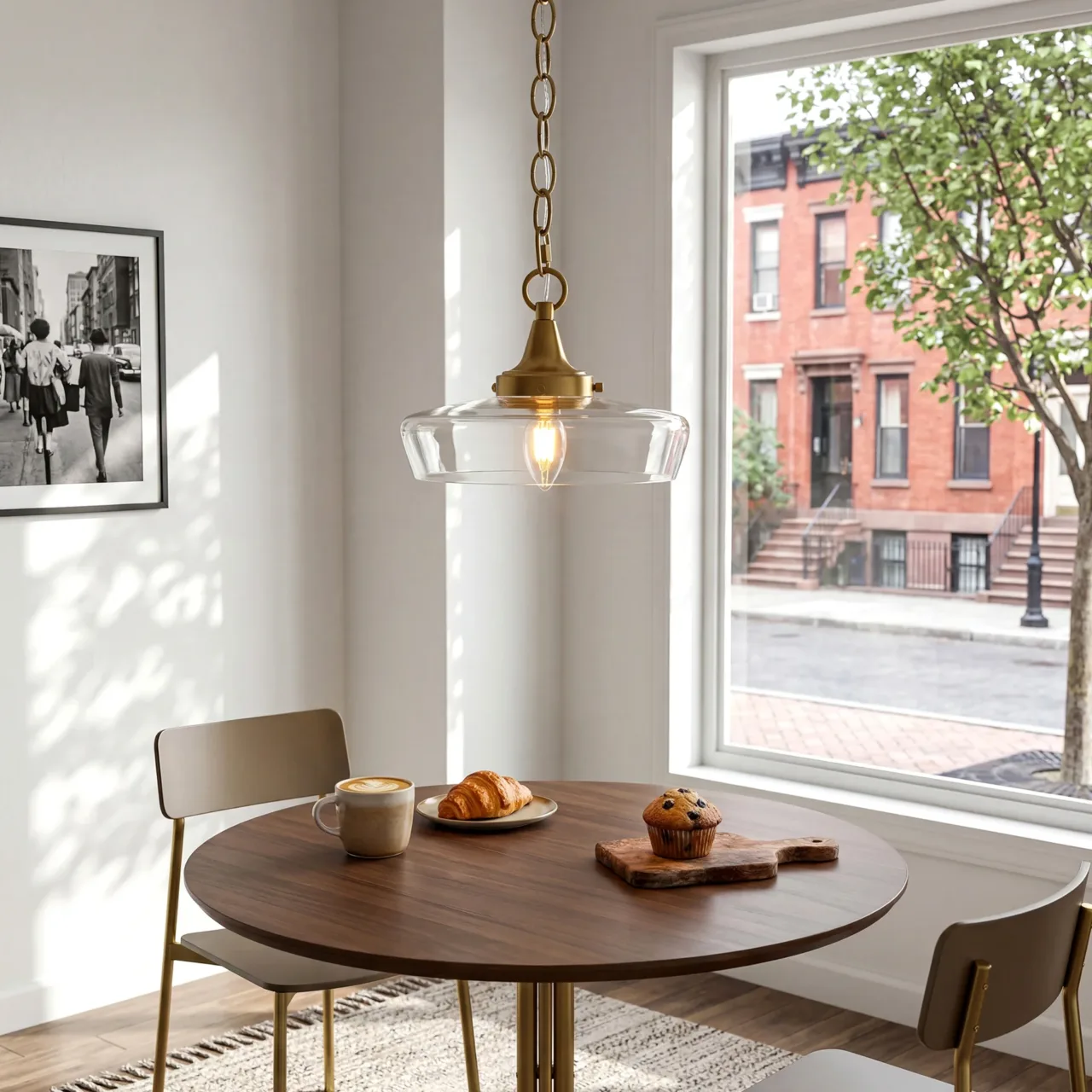
A single pendant lamp hung over the table creates focused light without taking up ceiling space. Choose a shade in brushed brass or matte black for subtle texture. A dimmable bulb lets you set the mood for meals.
Avoid large chandeliers that dominate the room. Too much overhead hardware can make the ceiling feel lower. Today, replace a bulky fixture with a slim pendant you can find at a local store.
7. Mirror on a Short Wall
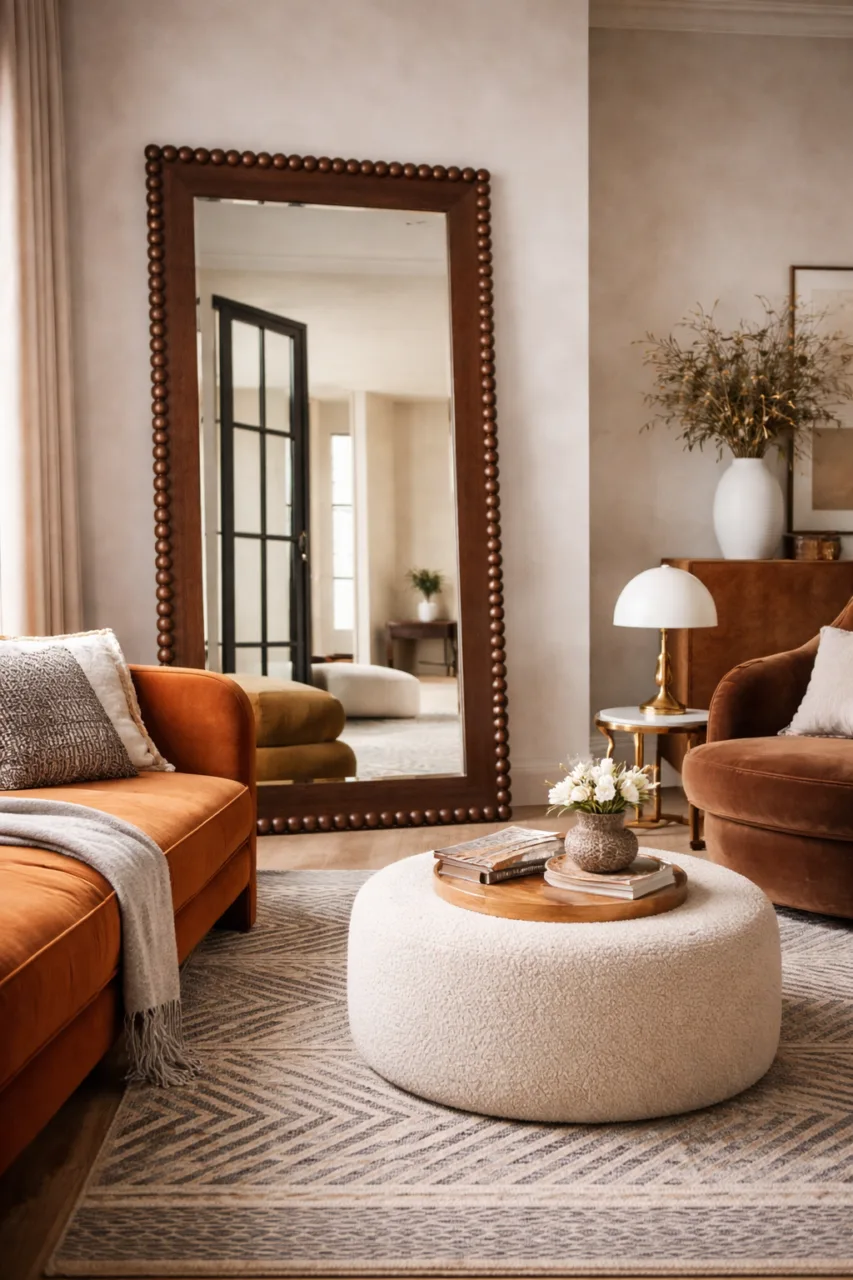
Placing a medium‑size mirror on a short wall reflects light and doubles the visual space. A simple wooden frame keeps the look natural. The reflection adds depth without adding furniture.
If the mirror is too ornate, it can draw attention away from the dining set. Overly decorative frames may feel out of place in a calm room. Choose a plain frame and hang it at eye level.
8. Minimalist Tableware Display

Displaying a few favorite plates on a low shelf adds personality without clutter. Stick to one or two colors, like soft terracotta or deep olive, for a cohesive feel. Use clear acrylic stands to keep the look light.
Too many items can make the shelf look like a store display. Overcrowding reduces the calm vibe you want. Today, pick just three pieces you love and arrange them evenly.
9. Soft Area Rug Under the Table
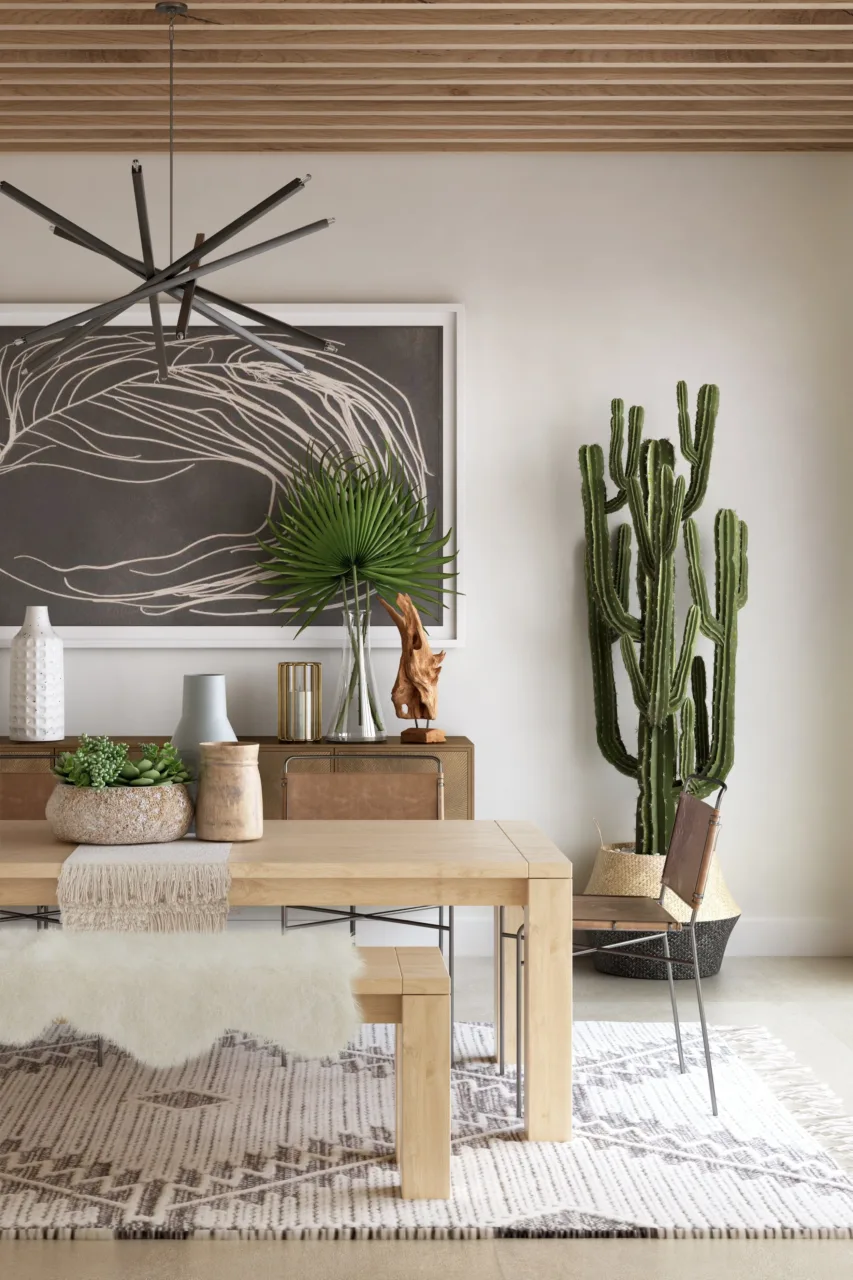
A low‑pile rug in a neutral tone defines the dining area without overwhelming it. Natural fibers like jute add texture while staying easy to clean. The rug also protects the floor from chair marks.
Avoid thick, high‑pile rugs that can trap crumbs and be hard to vacuum. Heavy rugs may make the room feel smaller. Lay the rug, then step back and ensure there is a few inches of floor visible around the edges.
10. Vertical Plant Corner
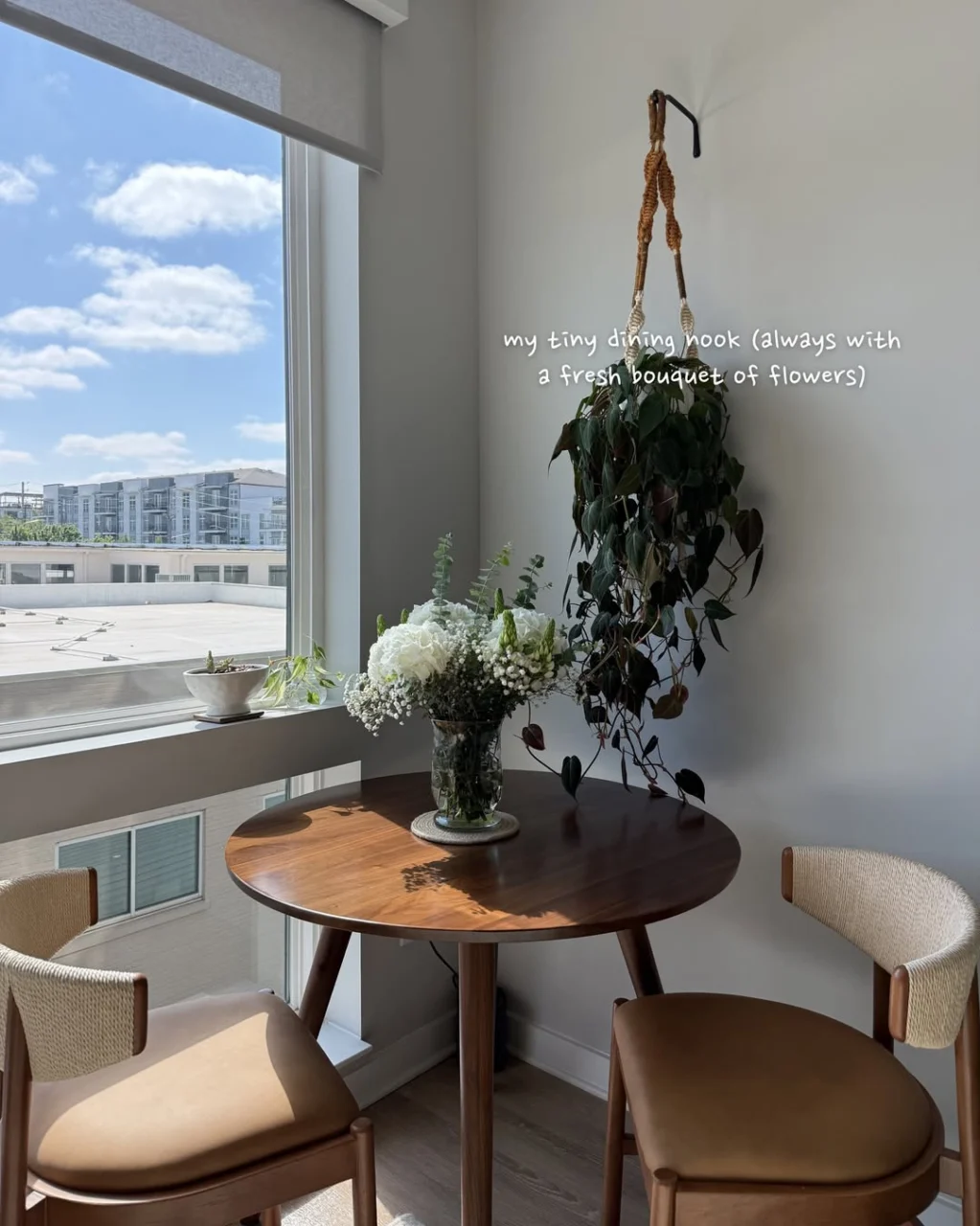
A tall, slim plant in a simple pot adds a touch of nature without using floor space. Choose a low‑maintenance plant like a snake plant or ZZ plant. The green hue softens the room’s edges.
If the plant needs a lot of water, it can become a maintenance hassle. Too many leaves may collect dust in a small room. Start with a small pot and place it near a window for natural light.
11. Clear Glass or Acrylic Chairs
Transparent chairs keep the visual line clear, making the room feel less crowded. Acrylic or thin‑glass seats blend with any wall color. Pair them with a simple cushion for a hint of comfort.
These chairs can show fingerprints easily, which may need frequent cleaning. In a busy family, this could become a chore. Keep a soft cloth nearby and wipe them down weekly.
12. Simple Artwork Above the Table

A single piece of art, such as a calm landscape print, adds interest without clutter. Choose a frame that matches the room’s trim for unity. Keep the size modest—no larger than the table width.
A large, bold piece can dominate the small space and draw the eye away from the dining set. Overly busy art may feel chaotic. Today, swap any large picture for a smaller print that fits the wall.
13. Sliding Barn Door for Closet
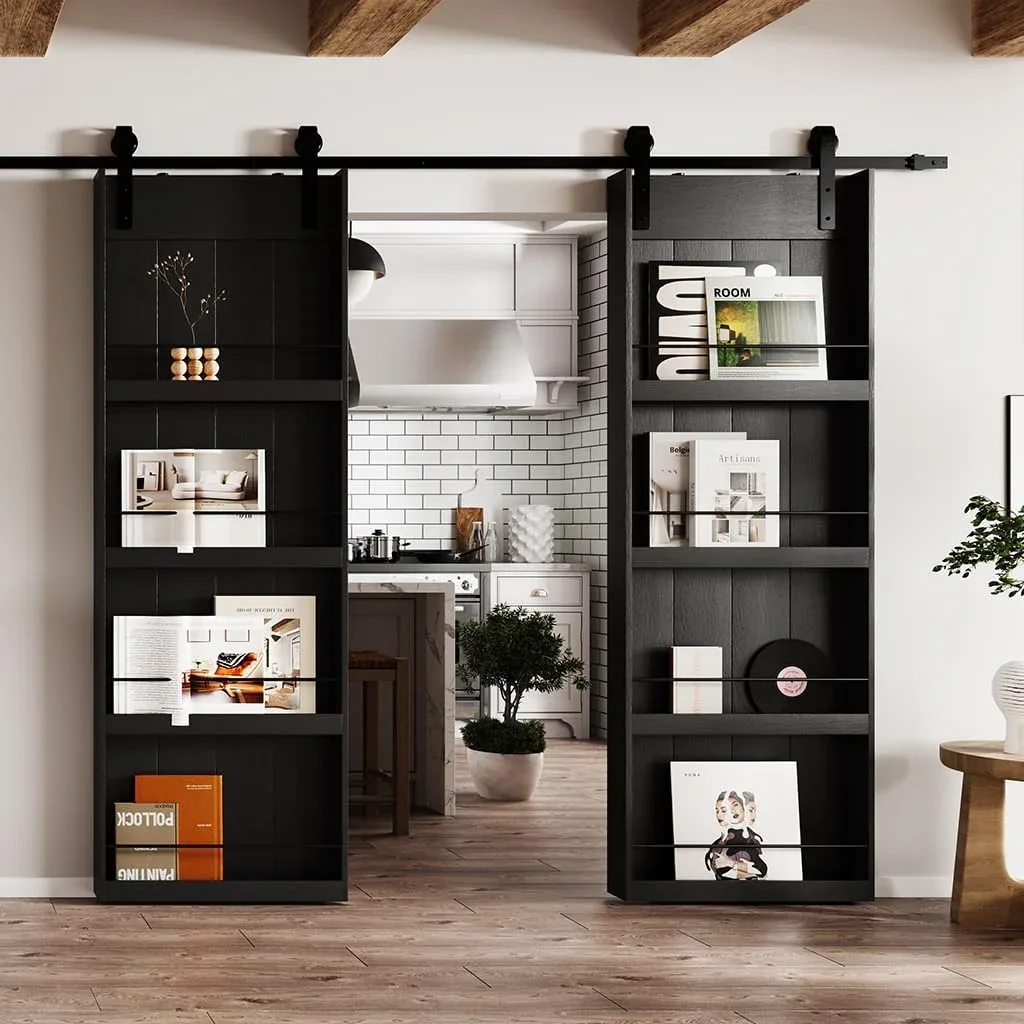
A sliding barn door saves space compared to a swinging door, freeing up the hallway. A simple reclaimed wood finish adds texture without heavy ornamentation. The door slides on a concealed track for smooth use.
If the track is not sturdy, the door can wobble and make noise. Poor hardware can cause long‑term wear. Test the door’s glide and tighten any loose bolts before using it daily.
14. Multi‑Purpose Sideboard
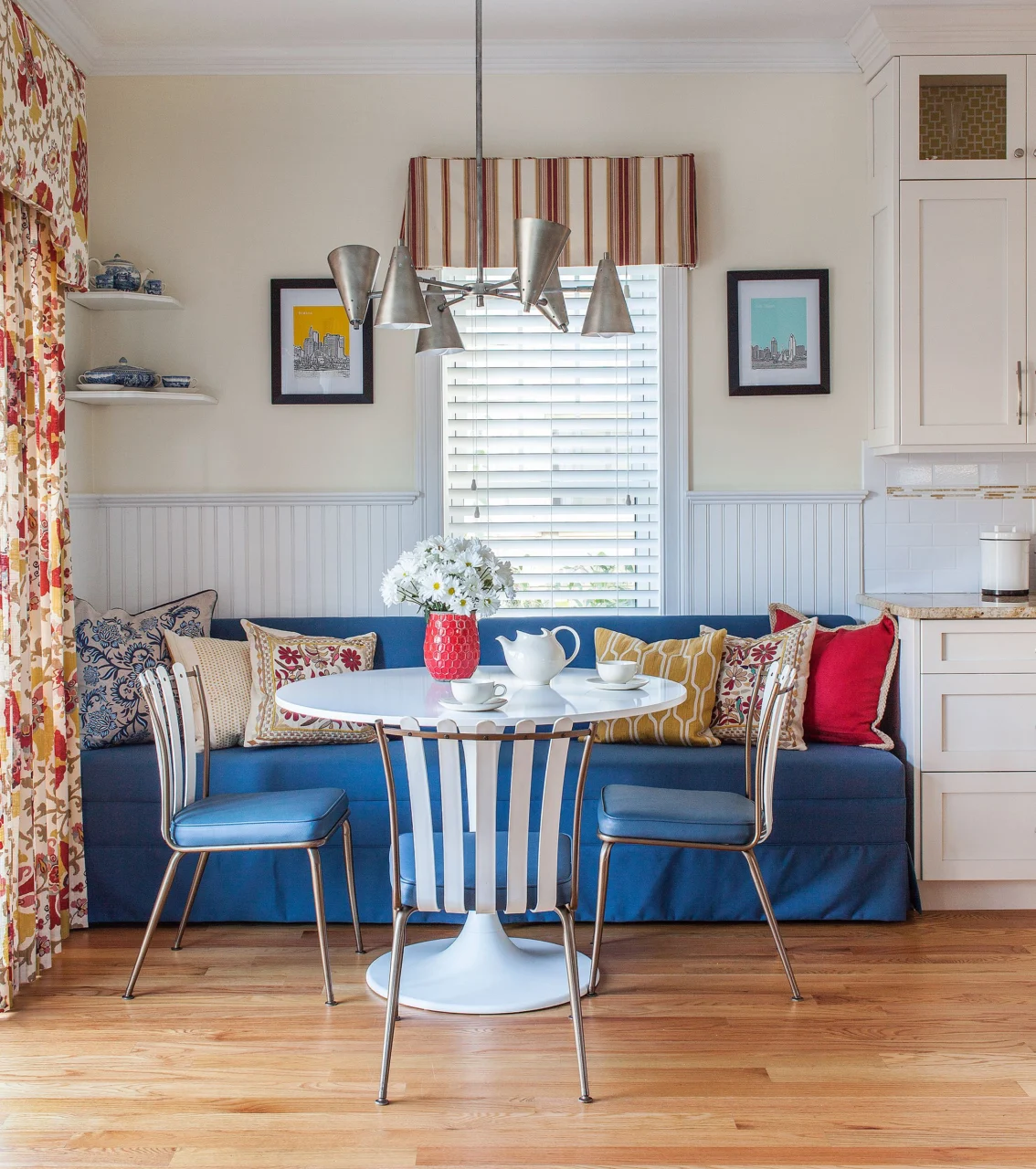
A narrow sideboard can hold dishes, linens, and even a small coffee station. Choose one with clean lines and a matte finish to keep the room light. Add a couple of decorative bowls for fruit or keys.
Too many decorative items can make the sideboard look cluttered. Overfilling the top defeats the clean look you’re after. Clear off any excess and keep only two functional pieces on the surface.
15. Soft Lighting with Wall Sconces
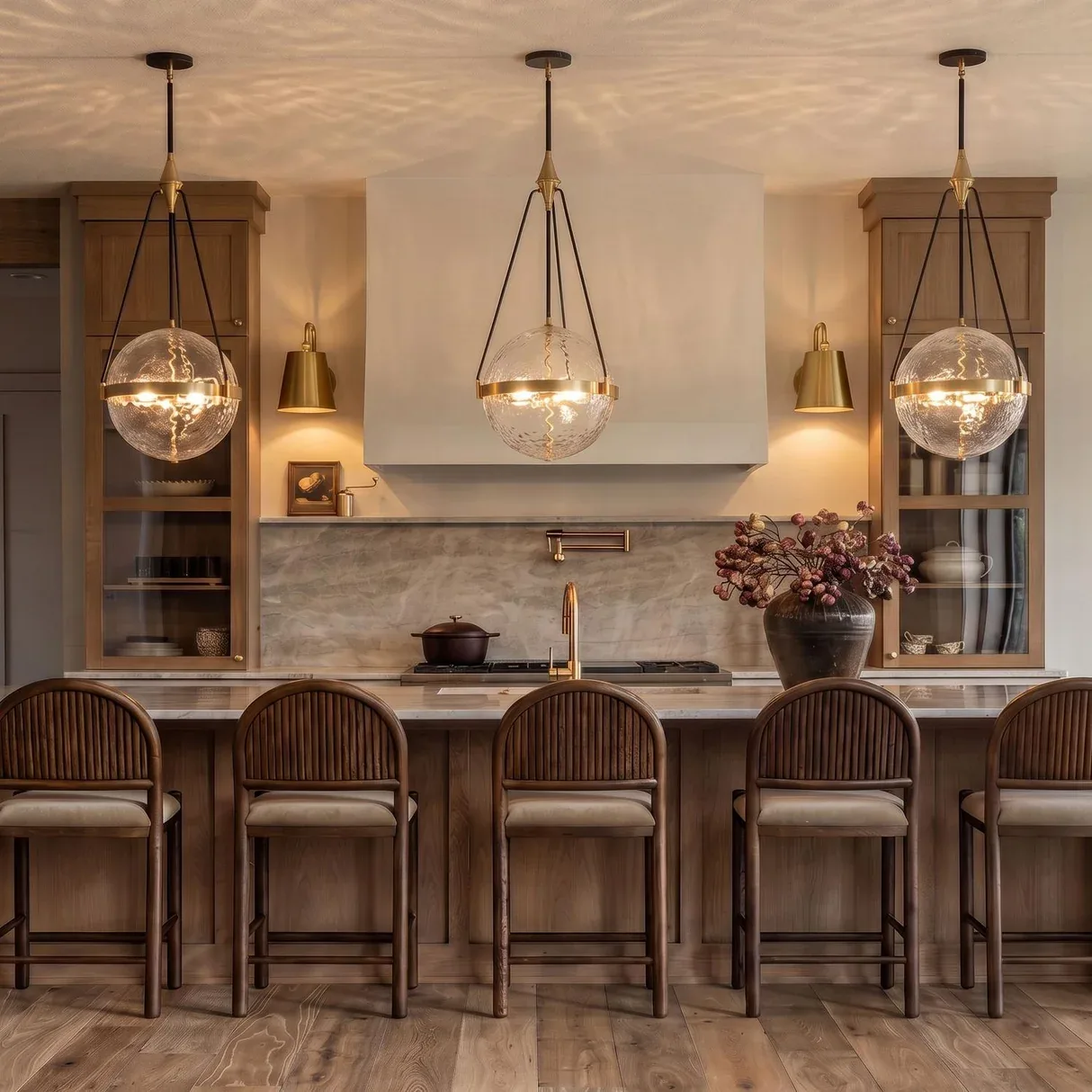
Wall sconces on either side of the table provide gentle light without taking up floor space. Choose fixtures in brushed brass or matte black for subtle shine. A warm LED bulb adds a cozy glow.
If the sconces are too bright, they can create harsh shadows during meals. Overly strong light can feel clinical. Swap the bulb for a lower wattage version to soften the illumination.
16. Decluttered Countertop

Keep the dining countertop free of unnecessary objects for a clean look. A single decorative bowl or a small tray can hold everyday items like napkins. This keeps the surface ready for meals.
Leaving too many items out can make the space feel cramped and messy. Overcrowding reduces the calm atmosphere you want. Today, remove any non‑essential objects and store them elsewhere.
Frequently Asked Questions
How can I make a tiny dining room feel brighter?
Use light paint colors on walls and trim, and add a simple pendant light. Mirrors on short walls also reflect natural light, making the room appear larger.
What is the best seating option for a narrow space?
A narrow round table with a built‑in bench keeps traffic flow open. The bench can store blankets underneath, saving floor space.
Can I keep storage in a small dining room without it looking messy?
Open shelves with matching baskets give you storage while staying airy. Remove items you rarely use to avoid a cluttered look.
Is it okay to use bold colors in a small dining area?
Bold colors work best as accents, like a single rug or a piece of artwork. Keep the walls neutral to maintain a calm feel.



Leave a Reply