Small Studio Apartment Layout Ideas for Everyday Comfort
Living in a studio can feel cramped, especially when you need a place to sleep, work, and relax. You want a layout that feels open, functional, and cozy without buying a lot of new furniture. Below are seventeen ideas you can try to make your studio work for you every day.
Each idea shows what the space looks like, how to set it up, and a quick tip or trade‑off to keep in mind. You can mix and match these ideas to fit your style, budget, and the way you use your home.
1. Define zones with a simple area rug

A medium‑size rug placed under the seating area creates a clear visual break between the living and sleeping zones. Choose a rug in a light neutral tone to keep the room feeling bright, and pick a pattern that adds interest without overwhelming the space.
Lay the rug so its edges line up with the couch and coffee table. You can add a small side table at one corner to hold a lamp or a plant. The rug helps keep the floor clean and tells the eye where each function starts.
Tip: A rug can trap dust, so vacuum it often. If you have pets, pick a low‑pile rug that is easy to clean.
2. Raise the sleeping area with a loft bed

A loft bed lifts the mattress off the floor, freeing up space underneath for a desk or a small lounge. The frame can be made of metal or wood, and a simple ladder keeps the look clean.
Measure the ceiling height first; you need at least seven feet of clearance. Place a compact desk or a set of storage bins below the bed, and add a floor lamp for task lighting.
Trade‑off: Loft beds work best in rooms with higher ceilings. In a low studio, the loft may feel too cramped.
3. Install a fold‑down wall desk

A wall‑mounted desk that folds down when you need it looks like a sleek shelf when closed. When opened, it provides a sturdy surface for a laptop, a notebook, and a lamp.
Choose a desk that folds flat against the wall and has a small shelf for supplies. Secure it with sturdy brackets, and add a chair that can slide under when not in use.
Tip: Pick a desk with a matte finish to avoid glare on your screen. It may take a few minutes to set up each day.
4. Use a Murphy bed with a built‑in desk
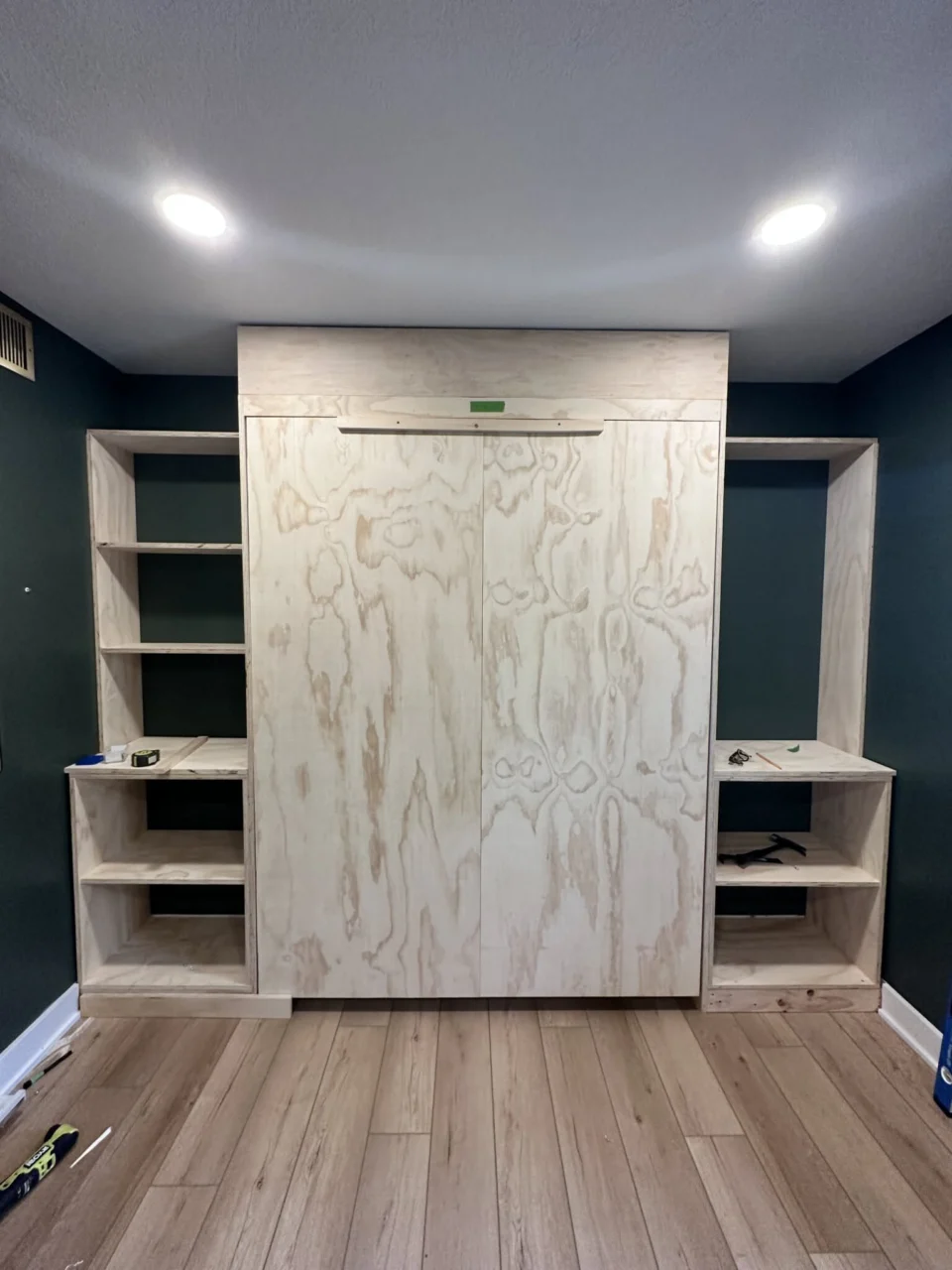
A Murphy bed folds up into a cabinet, turning the sleeping area into a wall when closed. Some models include a desk that slides out from the same unit, saving space.
Select a unit that matches the wall color and has simple hardware. When you pull the bed down, the desk folds away, leaving a clear floor.
Downside: The mechanism can be heavy, so make sure the wall can support it or get professional help to install.
5. Add a built‑in storage bench at the entry

A low bench with hidden storage sits by the door, giving you a place to sit and a spot to stash shoes or bags. The bench can be upholstered in a soft fabric that matches your décor.
Build the bench from pine or plywood, add a cushion, and install a hinged lid that opens to a shallow box. Keep the lid flush with the seat for a clean look.
Tip: Use the bench for a quick shoe swap before you leave. It can collect dust, so wipe it down weekly.
6. Hang a sliding room divider
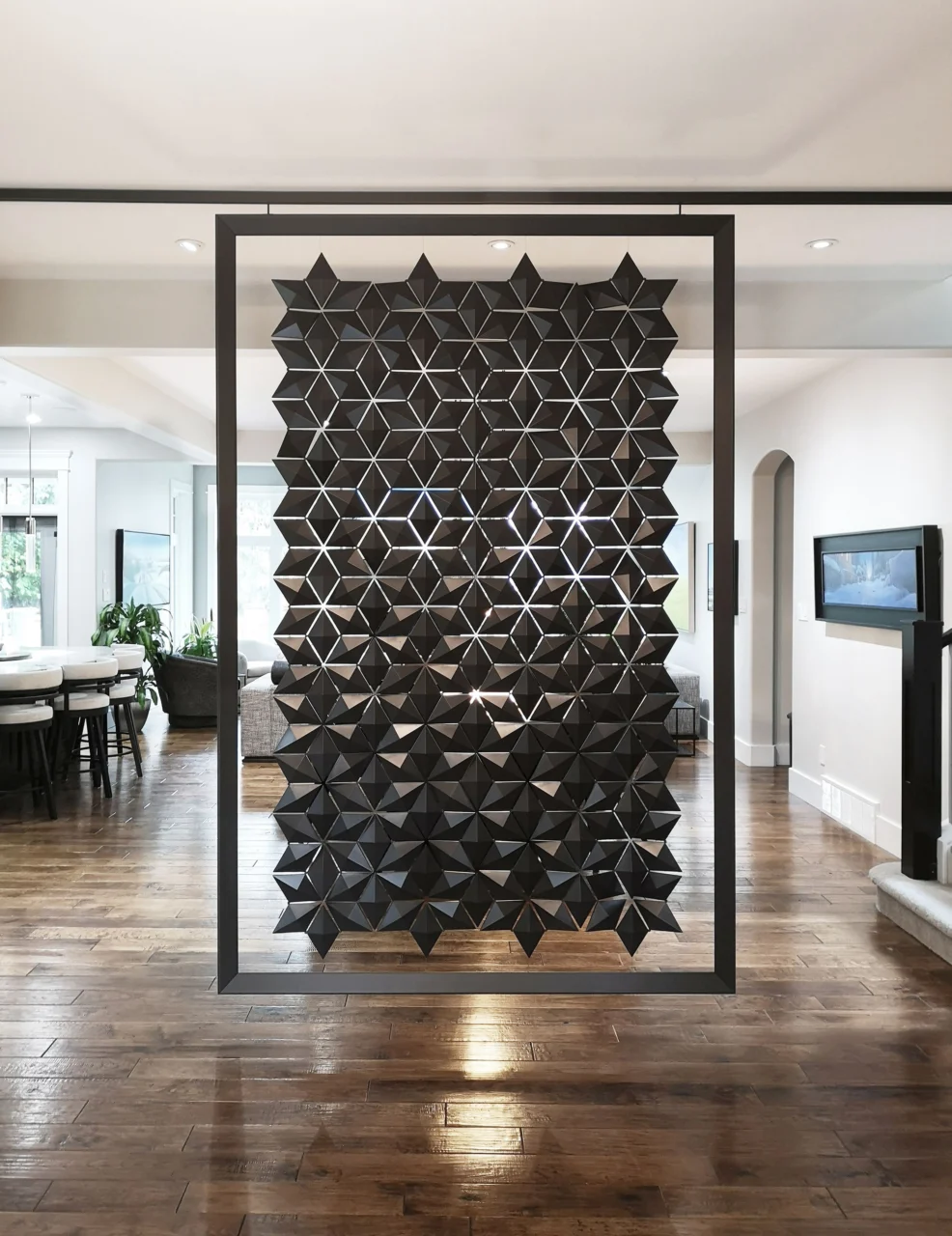
A sliding panel made of frosted glass or light wood can separate the sleeping area without blocking light. The panel moves on a track, so you can open or close it as needed.
Mount the track on the ceiling and attach the panel with sturdy rollers. When closed, the divider adds privacy; when open, it lets the room feel larger.
Trade‑off: The divider takes up a little wall space, so plan the track location carefully.
7. Paint one wall in a soft accent color
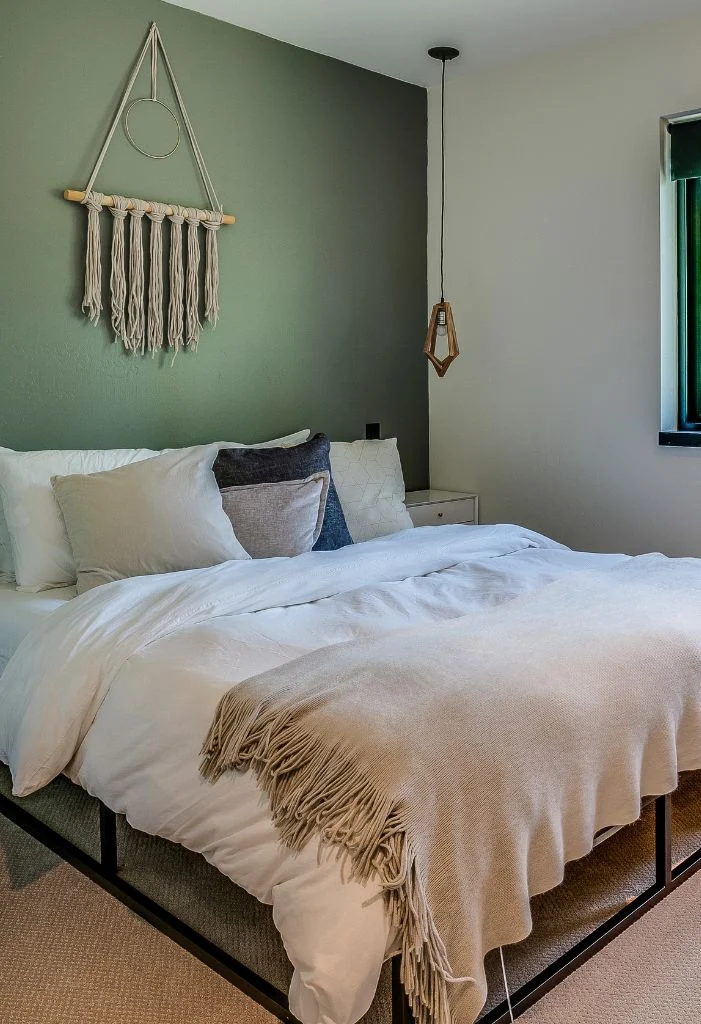
Choosing a single wall to paint in a gentle hue, like warm greige or soft olive, adds depth without shrinking the room. The rest of the walls stay light to keep the space airy.
Pick a washable paint finish for easy cleaning. Use painter’s tape to keep the line crisp, and let each coat dry fully before adding another.
Tip: Test a small patch first to see how the color looks in different light. Darker accents can make the room feel cozier at night.
8. Install tall vertical shelving

Floor‑to‑ceiling shelves draw the eye upward, making the room feel taller. Use a mix of open shelves and closed cabinets to store books, dishes, and décor.
Secure the shelves to the studs for safety. Place decorative boxes on the lower shelves to hide clutter, and leave the top shelves for plants or art.
Downside: Tall shelves can be hard to reach, so keep frequently used items lower down.
9. Hang a large mirror opposite a window

A big mirror reflects natural light and creates the illusion of extra space. Position it where it can catch sunlight and bounce it across the room.
Choose a simple frame that matches other wood tones in the studio. Secure it with strong anchors to avoid wobbling.
Tip: Keep the mirror clean for the best effect. If the studio is very bright, a matte glass can reduce glare.
10. Choose a multi‑functional coffee table

A coffee table with hidden storage or a lift‑top gives you a place to work, eat, or store blankets. Look for a design that matches the sofa style.
Place the table in the center of the seating area, and use the lift‑top to hold a laptop or a tray of snacks. Store extra pillows or magazines in the lower compartment.
Trade‑off: The table may be heavier than a simple tray, so move it carefully.
11. Keep the kitchen area as a galley with open shelves

A narrow galley kitchen with open shelves feels open and airy. The shelves let you display dishes and keep everyday items within reach.
Install two rows of floating shelves on either side of the counter. Use matching brackets and keep the shelf depth shallow to avoid crowding.
Tip: Keep the shelves organized by grouping similar items. Too many items can make the kitchen look cluttered.
12. Add pendant lighting over the work zone
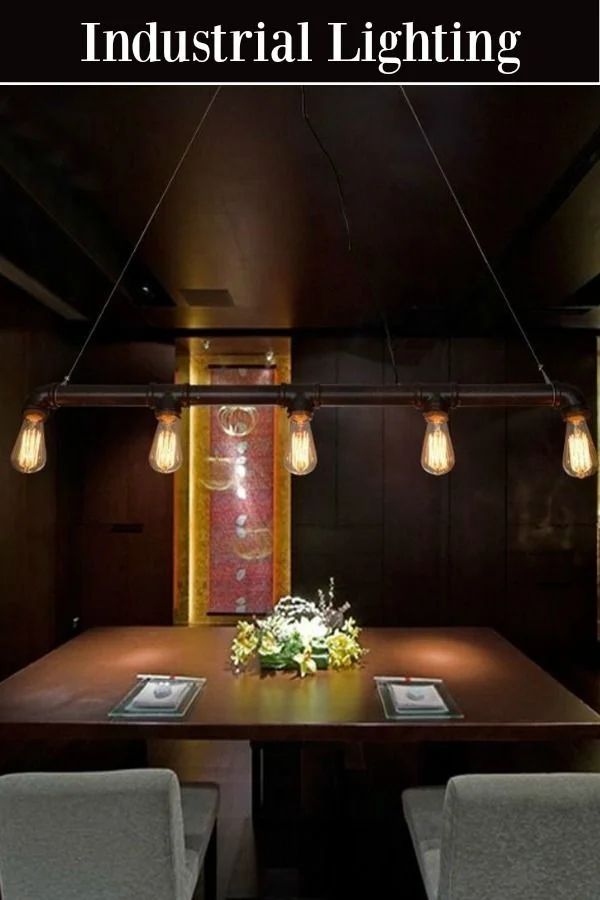
A single pendant lamp hanging over a desk or kitchen island provides focused light without taking up floor space. Choose a fixture in brushed brass or matte black for a modern touch.
Measure the height so the light hangs about 30 inches above the work surface. Use a dimmer switch to adjust brightness for different tasks.
Downside: Pendant lights can create shadows if placed too low, so test the height before fixing it.
13. Create a small balcony nook with a folding chair
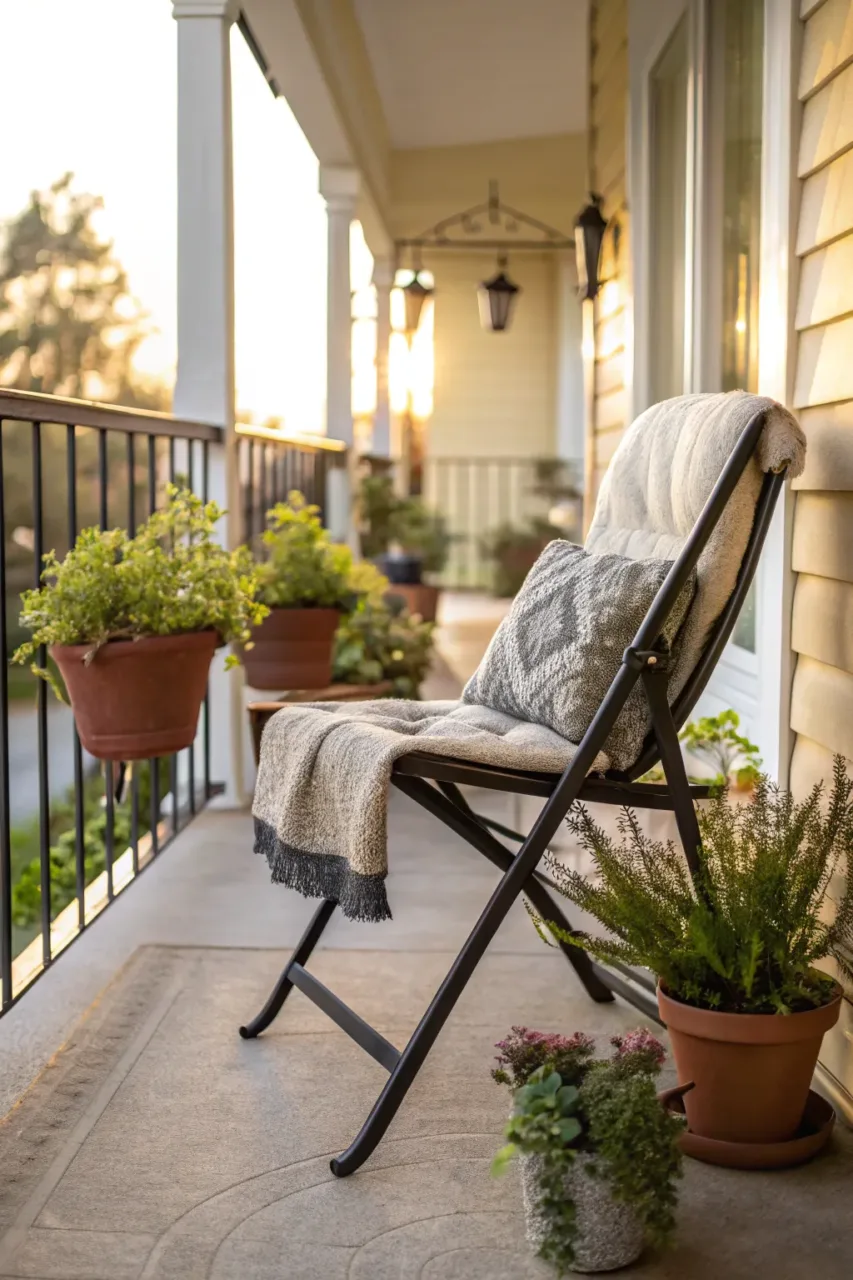
If your studio has a balcony, a narrow folding chair and a tiny side table can turn it into a quiet reading spot. Choose a chair that folds flat for easy storage.
Add a weather‑proof cushion in a bright color to bring life to the space. Keep a small plant or a lantern on the table for a gentle feel.
Tip: Check the balcony’s weight limit before adding heavy furniture. Light items are safest.
14. Use a curtain to hide the sleeping area

A floor‑to‑ceiling curtain can act as a soft wall that separates the bed from the rest of the studio. Pick a light fabric that lets some light through.
Mount a ceiling track and slide the curtain closed at night for privacy. When open, the curtain folds back, keeping the room open.
Trade‑off: Curtains need regular washing, especially if they collect dust.
15. Pick a modular sofa that converts to a bed

A low‑profile modular sofa can be rearranged into a lounge or stretched out into a sleeping surface. Choose a fabric that is easy to clean, like linen blend.
Arrange the pieces in an L‑shape to define a living zone, then pull the back cushions forward to make a bed. Add a few throw pillows for comfort.
Tip: Test the conversion before buying to make sure the mattress feels comfortable enough for sleep.
16. Place a tall plant as a natural room divider

A large potted plant, such as a fiddle‑leaf fig, can split the studio while adding fresh air. Its height draws the eye upward and creates a soft barrier.
Put the plant in a sturdy pot that matches the floor material. Position it near the sleeping area to give a sense of privacy.
Downside: Plants need regular watering and light, so choose a spot that gets enough sun.
17. Mount a bike rack on the wall to free floor space

If you own a bike, a wall‑mounted rack lifts it off the floor, opening up room for a small table or extra storage. The rack can be a simple metal hook system.
Find studs in the wall and secure the brackets with heavy‑duty screws. Hang the bike with the front wheel up to keep the frame balanced.
Tip: Keep a small mat underneath the bike to catch any drips from the tires. The rack works best in a corner.
How can I make a studio feel bigger?
Use light colors on walls and floor to reflect more light. Add mirrors opposite windows to bounce light around. Keep furniture low and avoid bulky pieces.
What’s the best way to separate sleeping and living areas?
A curtain, sliding panel, or tall bookshelf can create a visual break. Choose a solution that matches your style and can be opened for a larger feel.
Can I have a home office in a studio without it looking cluttered?
Yes, a wall‑mounted fold‑down desk or a compact desk under a loft bed works well. Keep supplies in closed drawers or boxes to hide mess.
How do I choose the right rug size for a studio?
Pick a rug that fits under the front legs of the sofa and coffee table. This anchors the seating area without overwhelming the floor.
Is a Murphy bed worth the cost for a small studio?
A Murphy bed frees up floor space and can include a desk or storage. It is a good investment if you need both a sleeping area and a work zone.