Space-saving Bed Ideas for Small Bedrooms
Finding room for a comfortable bed can feel like a puzzle in a tiny bedroom. In this guide you will see sixteen different ways to fit a bed without crowding the space. Each idea shows what the finished look can be, how to set it up, and a practical tip to keep in mind. Gather a tape measure, some basic tools, and a clear plan before you start.
Take a moment to note the dimensions of your room and the height of any doors or windows. Think about the style you like—whether it is clean wood, soft fabric, or a mix of metal and glass. Knowing your budget will help you pick the right option from low‑cost DIY to ready‑made furniture. With these basics ready, you can move through each idea confidently.
1. Loft Bed with Desk Below
A loft bed lifts the mattress up, leaving open space underneath for a compact desk. The frame is usually made of sturdy pine or metal, and the bed can sit close to a wall to keep the room feeling open. Soft gray linen on the mattress adds a calm vibe while the desk surface stays clear for books or a laptop. This look works well in rooms where you need both sleep and study areas.
Start by measuring the ceiling height and marking the loft level at least 5 feet off the floor. Choose a loft kit that matches the width of your mattress and can hold the weight you need. Assemble the frame on the floor first, then lift it into place with help from a friend. Secure the bolts tightly to avoid any wobble.
Next, pick a desk that fits the space under the loft; a simple 30‑inch table works for most small rooms. Add a lamp with a flexible arm so you can direct light where you need it. Place a few storage bins or a small bookshelf on the desk to keep clutter down. A light rug under the desk can define the area without taking up much floor.
One honest tip is that climbing up and down can be a bit tricky, especially if you have knee problems. A sturdy ladder with wide steps helps, but you may need to install a handrail for extra safety. Remember that loft beds work best in rooms with higher ceilings. If your ceiling is low, consider a lower platform instead.
2. Murphy Bed with Built‑In Shelves
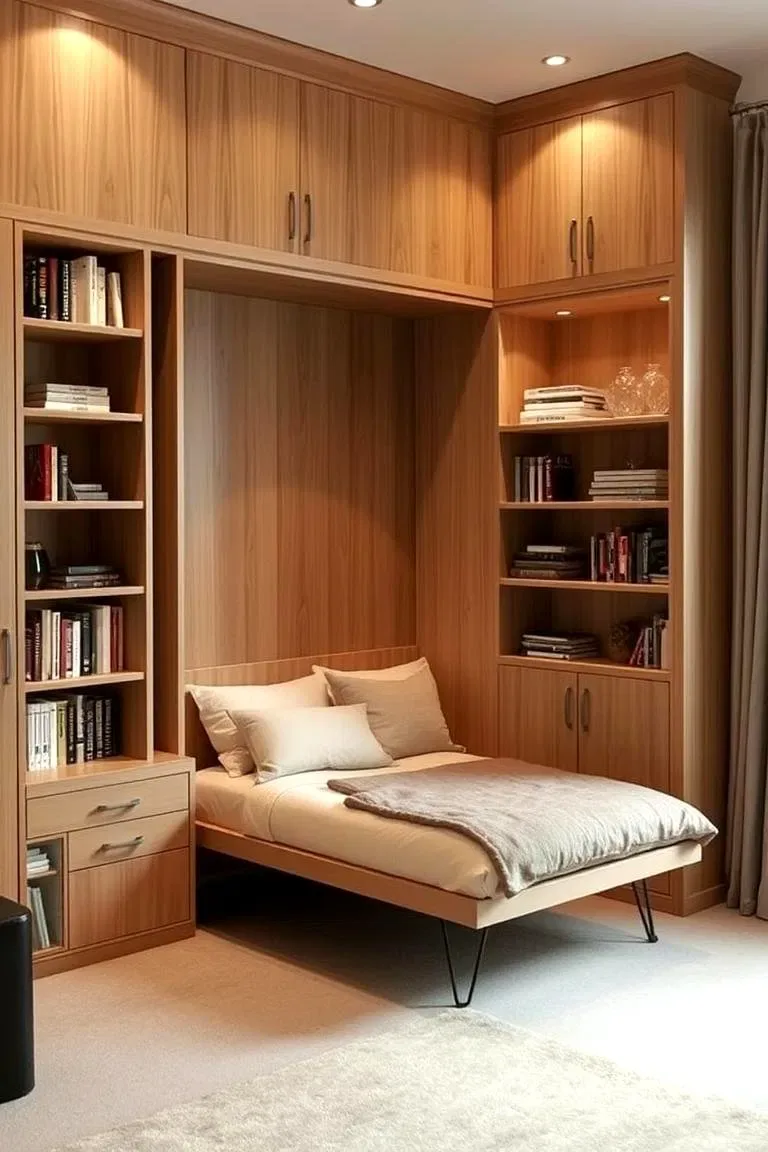
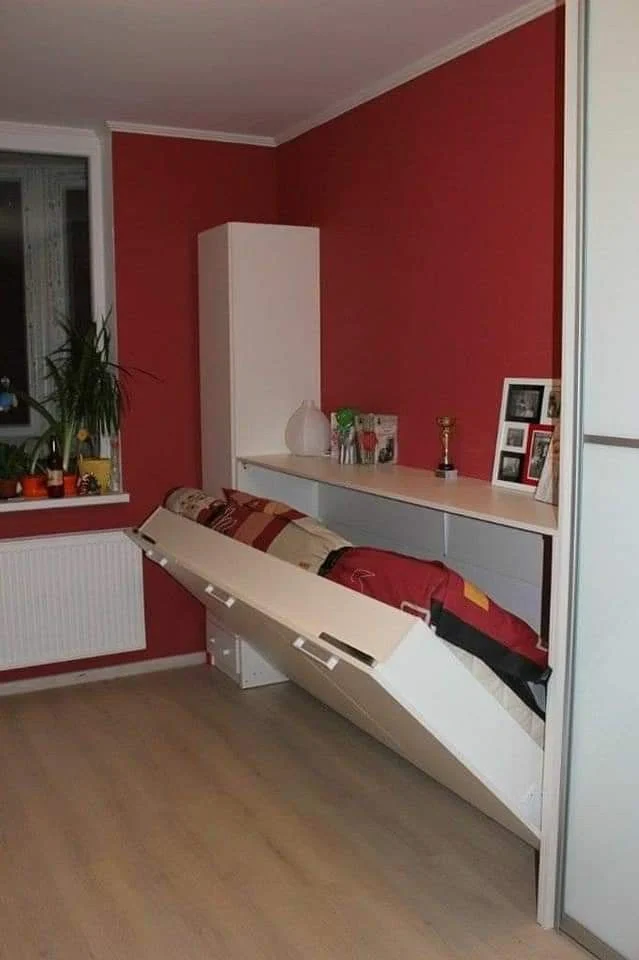
A Murphy bed folds up into a wall cabinet, turning the sleeping area into a bookshelf when closed. The cabinet can be finished in light oak or painted white to blend with the room’s walls. When the bed is down, the mattress sits on a sturdy metal frame that slides smoothly. This design gives you a full‑size bed without losing floor space.
First, locate a wall that can hold the weight of a folded bed and has no windows or vents. Purchase a Murphy kit that includes the folding mechanism and the cabinet doors. Follow the instructions to anchor the frame into the studs for safety. Test the fold‑down motion a few times before adding the mattress.
After the frame is secure, add adjustable shelves inside the cabinet to store books, linens, or decorative boxes. Keep the shelves light‑colored to make the space feel larger. Install a small LED strip along the top of the cabinet for gentle night lighting. A simple curtain can hide the bed when it’s not in use, adding a soft texture.
The main trade‑off is that you lose a wall for other furniture, so plan the layout carefully. If you need a window on that wall, a sliding panel bed might work better. Also, the folding mechanism can be noisy if not lubricated, so check it regularly.
3. Daybed with Pull‑Out Trundle
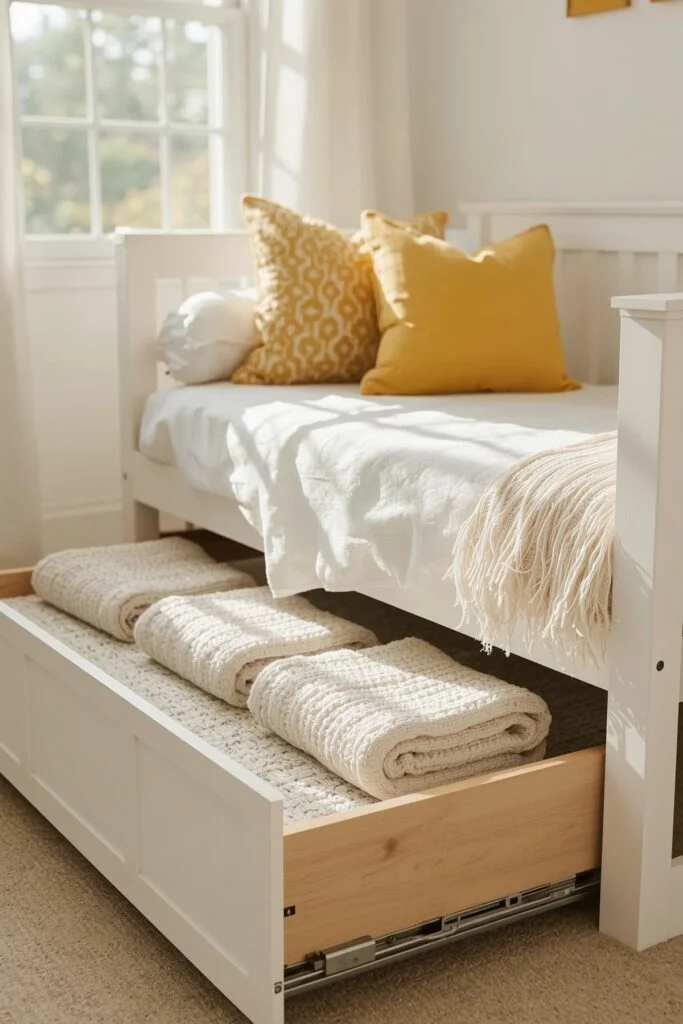
A daybed looks like a low sofa during the day and becomes a twin‑size bed at night. Adding a trundle underneath lets you pull out a second mattress for guests without taking extra room. The frame can be upholstered in soft terracotta fabric for a warm feel. This piece works well in rooms that double as a lounge area.
Begin by selecting a daybed frame that matches the width of a twin mattress. Assemble the frame on the floor, making sure the slats are evenly spaced for support. Attach the trundle rails according to the instructions, testing the slide before adding the mattress. Place a matching twin mattress on the daybed and a thin mattress on the trundle.
Dress the daybed with a few decorative cushions in muted greens or blues to add color. Add a small side table next to the daybed for a lamp or a cup of tea. Use a lightweight rug under the daybed to define the seating area. Keep the trundle mattress stored flat when not in use to save space.
A downside is that the trundle adds a bit of height, so be sure the ceiling is high enough for the bed when the trundle is pulled out. Also, the sliding mechanism can collect dust, so clean it regularly to keep it smooth.
4. Platform Bed with Built‑In Drawers

A low platform bed can hide several drawers underneath, giving you hidden storage for clothes or linens. The platform can be made of light oak with a simple clean‑line design. Soft white bedding contrasts nicely with the natural wood, keeping the room bright. This style works in both modern and cottage‑inspired rooms.
First, measure the length and width of your mattress to choose the right platform size. Look for a platform that includes at least two wide drawers for easy access. Assemble the frame on a clean floor, checking that each drawer slides evenly. Place the mattress on top and add a mattress protector.
Organize the drawers by grouping similar items together—towels in one, pajamas in another. Use fabric bins inside the drawers to keep small items from rolling around. Add a simple nightstand on one side if you need extra surface space. A small table lamp with a warm bulb adds a cozy glow.
The main trade‑off is that the drawers reduce the height of the bed, making it harder to get in and out for taller people. If you are over six feet, consider a higher platform with shallower drawers instead.
5. Folding Wall Bed with Curtain Divider

A folding wall bed slides up into a recessed pocket, leaving a clear floor when stored. When the bed is up, you can hang a light cotton curtain to hide the mechanism. The frame can be painted soft greige to match most wall colors. This option creates a clean look that can be opened quickly for sleep.
Start by finding a wall that can accommodate a recessed pocket without electrical outlets. Order a folding wall bed kit that includes the rails and a matching headboard. Follow the guide to anchor the rails into the studs, making sure the pocket is deep enough for the mattress. Test the fold‑up motion several times before attaching the curtain.
Choose a curtain in a light linen that lets a little light filter through. Hang the curtain on a simple rod attached to the wall above the pocket. When the bed is down, the curtain can be pulled aside to keep the space open. Add a small rug at the foot of the bed for a soft landing.
The downside is that the wall pocket takes up space that could otherwise hold a bookshelf or TV. If you need that wall for storage, a Murphy‑style bed might be a better fit.
6. Single‑Person Bunk Bed

A bunk bed designed for one adult can free up floor space while giving you a lofted sleeping area. The lower level can be used as a small sitting nook or storage bench. Choose a frame in brushed brass or black metal for an industrial feel. This setup works well in studio apartments where every square foot counts.
Measure the ceiling height to ensure there is at least 4 feet of clearance above the top bunk. Buy a single‑person bunk kit that includes sturdy guardrails. Assemble the lower frame first, then attach the upper platform, checking each bolt for tightness. Place a twin mattress on the top bunk and a thin cushion on the lower bench.
Cover the lower bench with a removable fabric cover that matches your bedding. Add a small side table on the lower level for a lamp or a plant. Use a soft rug under the bunk to keep the floor warm. Install a reading light on the side of the top bunk for night use.
One trade‑off is that the bunk takes up a lot of vertical space, so it may feel cramped in rooms with low ceilings. Also, climbing up can be difficult for people with limited mobility.
7. Storage Headboard with Cabinets
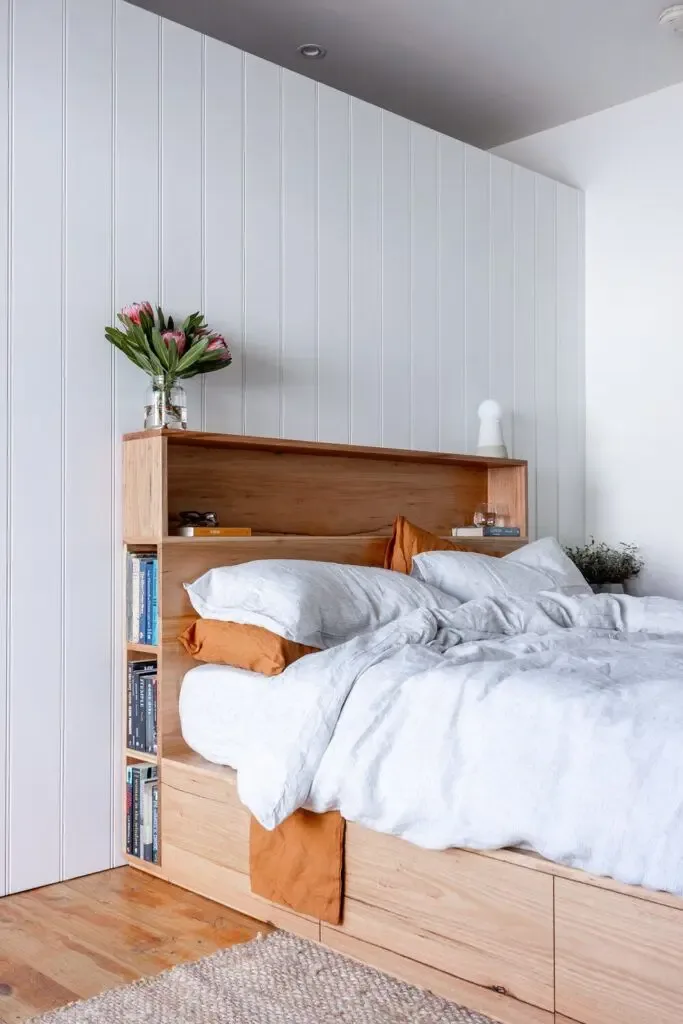
A headboard that doubles as a set of shallow cabinets can store books, alarm clocks, or glasses. The cabinets can be finished in warm olive paint to add a subtle pop of color. Soft linen bedding in a neutral tone keeps the focus on the headboard’s texture. This idea works in rooms that lack bedside tables.
First, measure the width of your mattress to select a headboard that fits. Look for a headboard with built‑in shelves or small doors. Secure the headboard to the wall studs using long screws for safety. Attach the cabinets to the headboard, making sure they open smoothly.
Place a small lamp on one of the cabinet shelves for easy nighttime reading. Store a few favorite books or a tablet in the other shelf for quick access. Keep the top of the headboard clear for decorative items like a small vase. A thin throw blanket can add texture without taking up space.
The downside is that the cabinets reduce the wall space for artwork or mirrors. If you need a large wall display, consider a narrower headboard with fewer shelves.
8. Slide‑Out Bed Under a Couch

A couch with a hidden slide‑out mattress lets you turn the living area into a bedroom in seconds. The couch can be upholstered in soft beige fabric, while the mattress is a thin foam topper for quick comfort. This design works well in studio apartments where the living and sleeping zones overlap.
Choose a couch that includes a built‑in slide‑out frame or add a custom wooden platform under an existing sofa. Measure the depth of the couch to ensure the mattress will fit without sticking out. Place a twin‑size foam mattress on the slide‑out platform, securing it with Velcro strips if needed. Test the slide mechanism to make sure it glides smoothly.
Add a few decorative pillows on the couch for daytime use and remove them at night for a clean sleep surface. Use a lightweight blanket that can be folded and stored in a basket nearby. Place a small floor lamp beside the couch to provide soft lighting for bedtime reading. A short rug in front of the couch defines the sleeping zone.
A common slip‑up is that the mattress can become lumpy if it is not rotated regularly. Flip the foam mattress every few weeks to keep it even. Also, the couch may feel less firm when the mattress is stored inside, so choose a sturdy base.
9. Hidden Bed Behind Sliding Panels

A bed that slides behind two decorative panels can be hidden like a secret door. The panels can be painted in a muted teal or covered with a simple wallpaper pattern. When the bed is closed, the panels act as a stylish wall feature. This solution works best in rooms with a wide wall and enough clearance to the side.
First, locate a wall that can accommodate two sliding tracks and a recessed space for the mattress. Purchase a sliding panel system and a low‑profile bed frame that fits the space. Install the tracks according to the manufacturer’s guide, making sure they are level. Slide the panels into place and test the bed’s movement.
Choose a mattress that is thin enough to sit in the recessed area but still comfortable. Add a simple headboard that attaches to the panels for a finished look. Hang a small wall sconce on each side of the panels for ambient lighting. Keep a small basket nearby for extra pillows or blankets.
The trade‑off is that the sliding mechanism can be noisy if the tracks are not lubricated. Apply a silicone spray occasionally to keep the panels moving quietly. Also, you lose a portion of the wall for other décor, so plan accordingly.
10. Convertible Futon with Built‑In Bookshelf
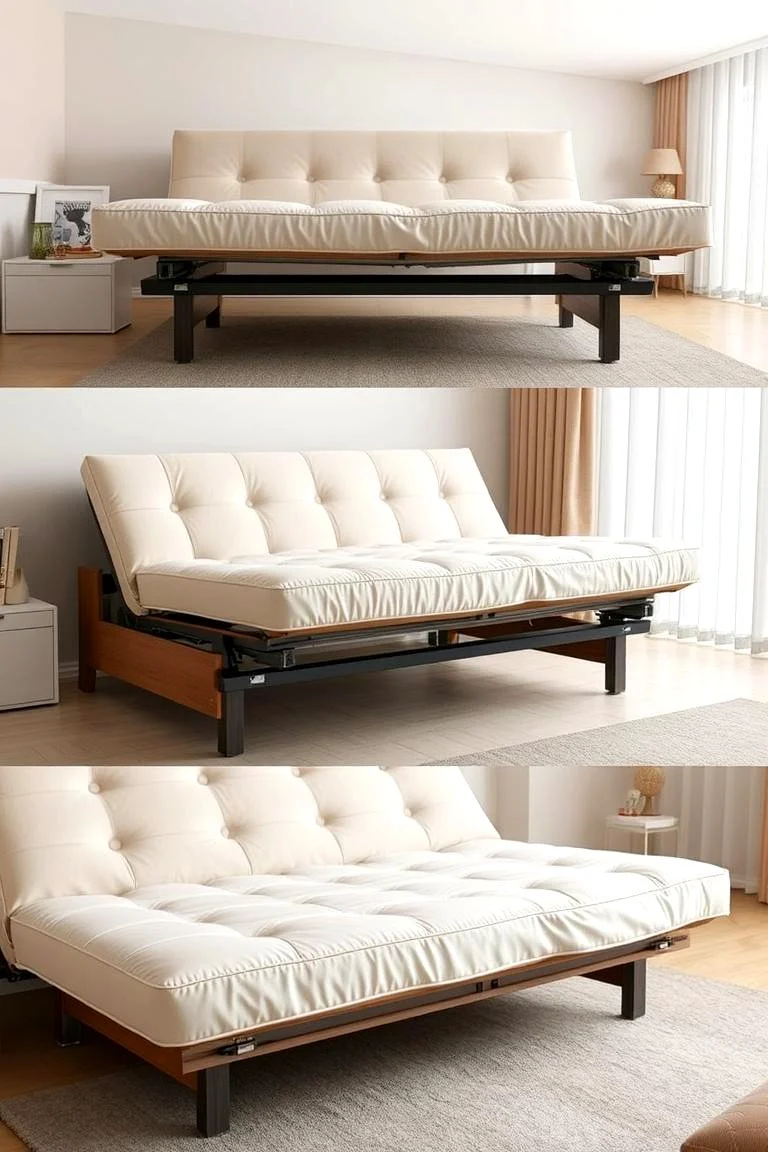
A futon that folds into a sofa during the day can include a low bookshelf at its back. The frame can be made of light oak with a soft gray fabric cushion. When folded flat, the futon offers a twin‑size sleeping surface. The bookshelf provides a place for books, plants, or small decor.
Start by picking a futon that matches the width of a twin mattress and has a sturdy back panel. Assemble the futon on the floor, then attach the bookshelf brackets to the back. Secure the bookshelf with screws, ensuring it can hold the weight of a few books. Test the futon’s folding action to confirm it stays level.
Arrange a few favorite books and a small potted plant on the shelf for a lived‑in look. Add a couple of decorative trays to keep loose items organized. When you need a bed, pull the futon down and tuck the cushions in place. A soft throw can be draped over the back for extra comfort.
The main downside is that the futon may feel firmer than a regular mattress, which some sleepers dislike. If you prefer a plush feel, add a thin memory‑foam topper on top of the futon.
11. Corner Alcove Bed
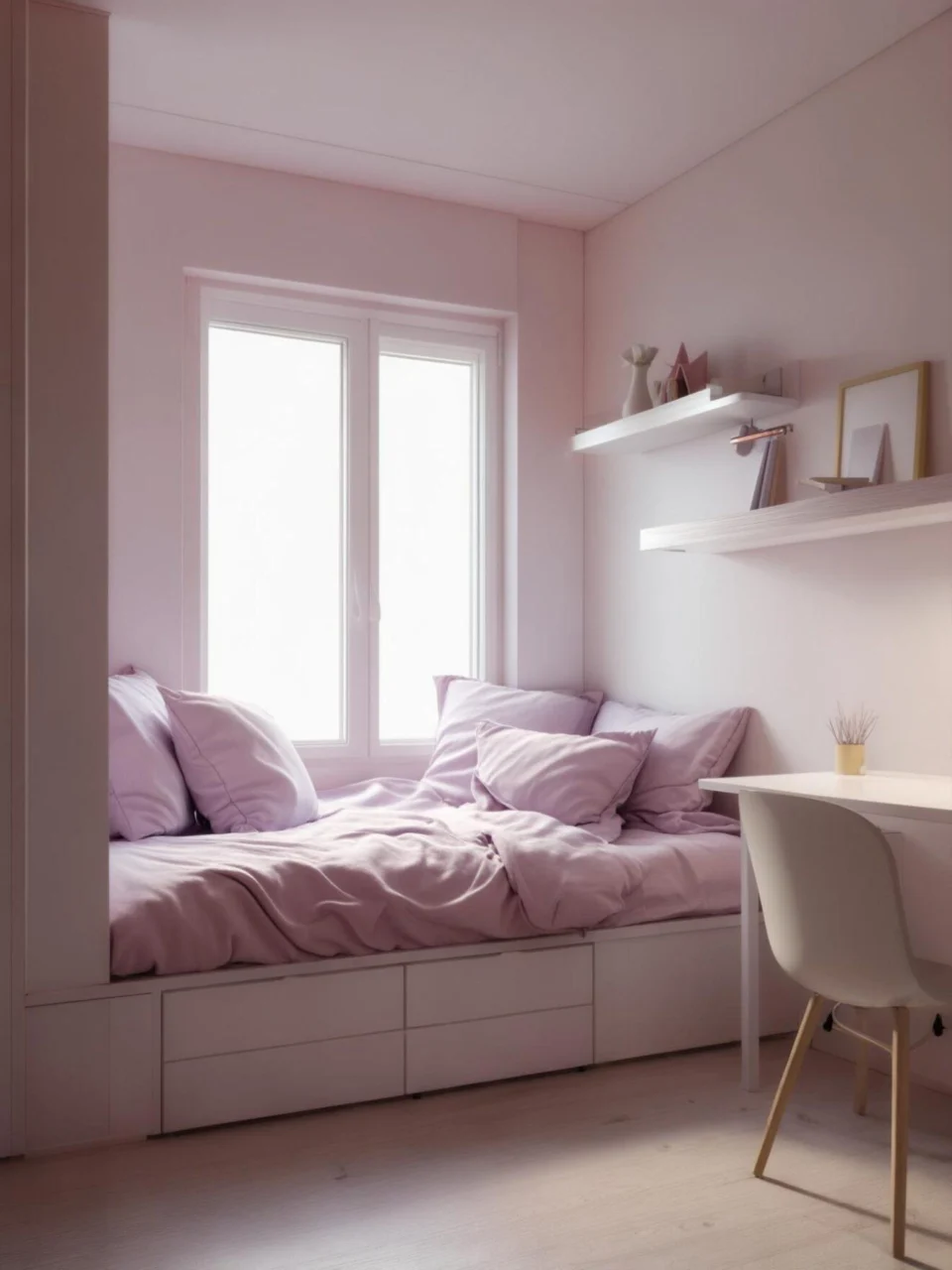
A corner alcove bed fits snugly into a room’s unused corner, creating a cozy nook. The frame can be built from light pine with a simple headboard that follows the wall line. Soft blue bedding adds a calming touch to the small space. This layout frees up the rest of the room for a desk or dresser.
First, measure the two walls that form the corner to determine the maximum bed size. Build a low platform that sits against both walls, leaving a small gap for airflow. Secure the platform to the studs on each wall for stability. Place a twin mattress on top of the platform.
Add a small nightstand on one side of the alcove for a lamp and a phone charger. Hang a thin curtain from a rod above the alcove to create a private feel if desired. Use a short runner rug at the foot of the bed to add texture. Keep the area under the bed clear for easy cleaning.
A trade‑off is that the corner shape can limit the size of the mattress you can use. If you need a full‑size bed, this option may not work in a very small room.
12. Low‑Profile Platform with Floor Cushions
A low platform bed set a few inches off the floor can be paired with large floor cushions for seating. The platform can be finished in whitewashed oak, giving a light feel to the room. Soft white bedding contrasts with a few colorful floor cushions for a relaxed vibe. This design works well in minimalist spaces.
Begin by measuring the room’s length and width to choose a platform that fits without crowding the walls. Build or buy a platform that is about 6‑8 inches high and supports a twin mattress. Place the mattress on the platform and add a plain duvet for a clean look. Arrange floor cushions in a semi‑circle at the foot of the bed for extra seating.
Choose cushions in muted earth tones or pastel shades to keep the room feeling airy. Add a small side table made of bamboo for a cup of tea or a book. Place a simple floor lamp nearby to provide soft light for evenings. Keep a small basket at the foot of the bed for blankets.
The downside is that the low height can make it harder to get in and out for people with back issues. If you need more height, add short risers beneath the platform.
13. Pull‑Out Bed from Closet

A pull‑out bed hidden inside a walk‑in closet can be revealed when needed, keeping the bedroom floor clear. The closet doors can be painted soft sage to blend with the walls. When the bed is stored, the closet still holds clothes and shoes. This solution works best when the closet is deep enough for a mattress.
First, measure the interior depth of the closet to ensure a twin mattress will fit. Install a set of heavy‑duty drawer slides on the bottom of a sturdy frame. Place the mattress on the frame and test the pull‑out action. Secure the slides to the closet floor and side walls for stability.
Keep a thin mattress protector on the pull‑out bed to guard against spills. Add a small bedside lamp on a shelf inside the closet for night use. Store extra blankets in the upper closet area to keep them handy. When the bed is not in use, close the closet doors to hide the mechanism.
A common slip‑up is that the bed can become dusty while hidden, so vacuum the closet regularly. Also, the closet door must stay open while the bed is in use, so plan for enough clearance.
14. Modular Cube Bed with Storage Cubes

A modular cube system can be arranged to form a low bed with built‑in storage cubes underneath. The cubes can be made of natural bamboo or painted in soft ivory. A simple linen duvet drapes over the top, creating a relaxed look. This arrangement works well in rooms that need flexible furniture.
Start by selecting a set of eight to ten cubes that fit together securely. Arrange four cubes side by side to create the sleeping surface, then place the remaining cubes underneath for storage. Secure the cubes with brackets to prevent shifting. Add a twin mattress on top of the cube platform.
Store blankets, pillows, or seasonal clothing inside the lower cubes to keep the room tidy. Use fabric bins inside the cubes for easy access. Add a small table lamp on one side of the bed for reading. A short rug under the cubes adds softness underfoot.
The main trade‑off is that the cubes can feel less stable than a solid platform if not properly braced. Double‑check the brackets and tighten all screws before using the bed.
15. Adjustable Air Mattress on a Rolling Frame
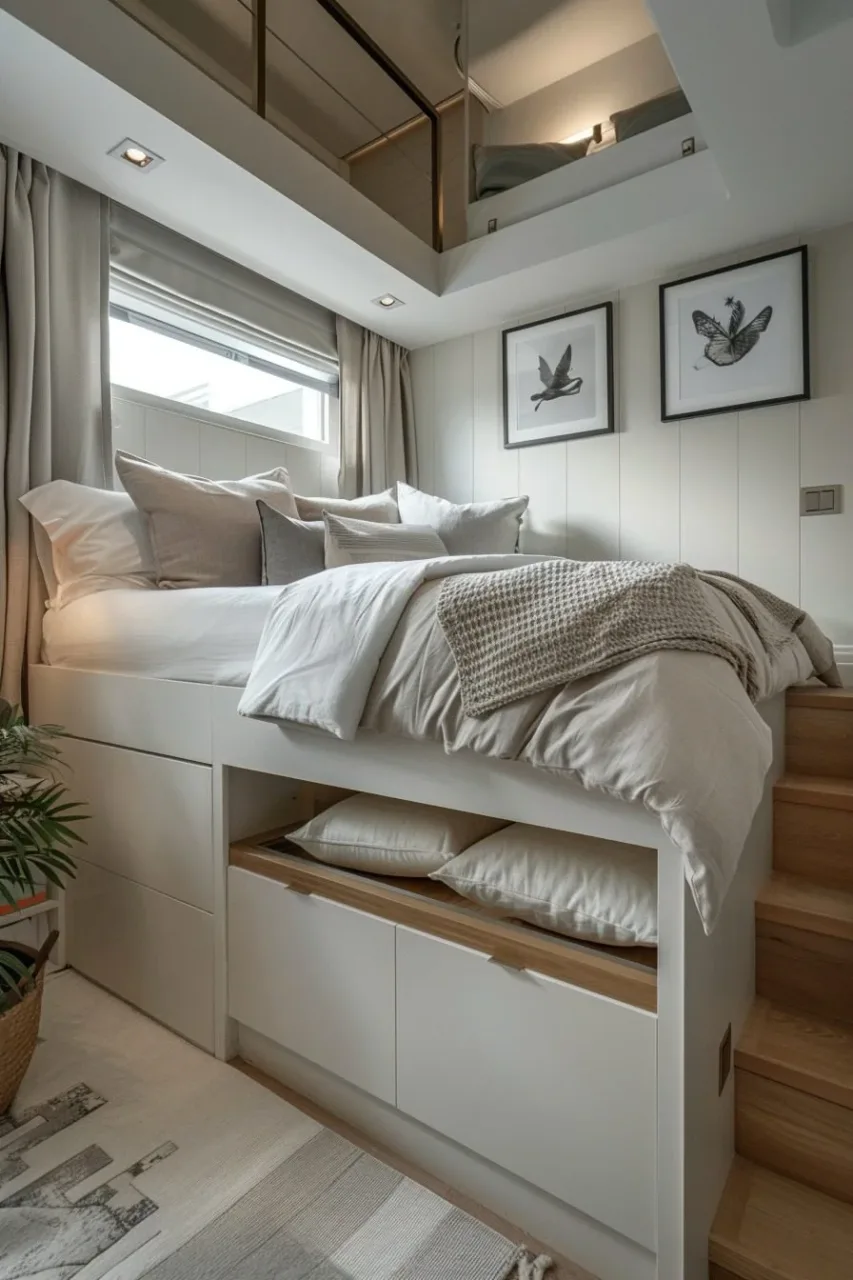
An air mattress placed on a rolling frame can be inflated for sleep and deflated for storage. The frame can be painted light gray, and the mattress can be a soft white for a clean look. When deflated, the mattress folds flat, freeing up floor space. This option works well in rooms that need a guest bed on short notice.
First, buy an air mattress that fits a twin size and a sturdy metal frame with wheels. Assemble the frame on the floor and make sure the wheels lock securely. Inflate the mattress using a built‑in pump, checking for any leaks. Place the mattress on the frame and test the comfort level.
When not in use, deflate the mattress and roll it up, storing it under the frame or in a nearby closet. Keep a small storage bag for the mattress to keep it clean. Add a simple headboard that slides onto the frame for extra support. A bedside lamp on a rolling cart can be moved with the bed.
A downside is that the mattress can feel less supportive than a traditional spring mattress, especially for side sleepers. If you need more firmness, add a thin foam topper on top of the air mattress.
16. Canopy Bed with Built‑In Nightstands

A low canopy bed can include small nightstands built into its side posts, saving floor space. The canopy frame can be made of brushed brass, and the fabric drape can be a light linen in cream. A simple duvet in soft gray keeps the look calm and inviting. This design adds a touch of elegance without crowding the room.
Measure the ceiling height to ensure the canopy will not touch the light fixture. Choose a canopy kit that includes side posts with built‑in shelves. Assemble the frame on the floor, then raise it and secure it to the wall studs for safety. Attach the linen drape to the top rails, allowing it to fall gently around the bed.
Place a nightstand drawer on each side post to hold a lamp, a book, or a glass of water. Use a small table lamp with a fabric shade for soft lighting. Add a plush rug at the foot of the bed to warm the floor. Keep the space under the canopy clear for easy cleaning.
The trade‑off is that the canopy can make the room feel lower if the ceiling is already low. If you have a low ceiling, consider a shorter drape or no drape at all.
FAQ
How do I choose the right size mattress for a space‑saving bed?
Pick a twin or twin‑XL mattress unless the room can comfortably hold a full size. Measure the floor space and ceiling height before buying. A smaller mattress leaves room for other furniture and easier movement.
Can I install a loft bed in a rental without damaging the walls?
Yes, use a free‑standing loft frame that does not require wall anchors. Place the frame on a level floor and use rubber pads under the legs to protect the surface. This way you can take the loft with you when you move.
What is the best material for a low‑maintenance headboard with storage?
A painted pine or MDF headboard with smooth surfaces is easy to wipe clean. Avoid fabrics that attract dust if you want low upkeep. Simple metal handles make the cabinets easy to open.
How can I keep a Murphy bed from sounding noisy when I pull it down?
Apply a silicone spray to the folding hinges and rails regularly. Tighten any loose bolts to prevent rattling. Adding felt pads where the bed contacts the wall can also mute sounds.
Is an air mattress safe for long‑term daily use?
An air mattress can work for daily sleep if you keep it fully inflated and check for leaks. Use a supportive topper if you need extra firmness. Replace the mattress after a few years, as the material can wear out.